US Shifts Mideast Role, Allies Seek Regional Power
The United States is signaling a major shift away from its role as the world's policeman, encouraging allies in the Middle East and Europe to take more responsibility for their own security. This approach, championed by former President Donald Trump, aims to refocus U.S. attention on the Western Hemisphere. Regional powers like the UAE and Saudi Arabia are urging caution, while Israel remains a key ally in confronting Iran. This policy change could reshape global alliances and security dynamics.

US Signals Reduced Global Policing Role
The United States is signaling a significant shift in its role as a global policeman, with former President Donald Trump suggesting that allies in the Middle East and Europe should take more responsibility for their own security and pay for American support. This approach aims to withdraw the U.S. from constant involvement in foreign conflicts and focus more on the Western Hemisphere. This marks a departure from decades of American foreign policy that has seen the U.S. heavily involved in global security.
Shifting Alliances in the Middle East
Countries like the United Arab Emirates (UAE) and Saudi Arabia are urging the U.S. not to leave the region entirely until the threat from Iran is fully managed. They view Iran’s regime as a major threat that has been active against them for 47 years. These nations are aware of the dangers posed by radical Islam and are not afraid to acknowledge it. This contrasts sharply with European nations like the UK and France, which are seen as failing to uphold strong relationships and take decisive action.
Trump’s ‘Peace to Prosperity’ Plan
During his first term, Donald Trump laid the groundwork for a new approach with initiatives like the Abraham Accords. These agreements helped normalize relations between Israel and several Arab nations, including the UAE, Bahrain, Sudan, and Morocco. The plan aimed to foster economic cooperation and security partnerships, allowing countries in the region to take more control of their own futures. Trump’s suggestion that countries like those in the Middle East should pay for American military actions highlights a desire for a more transactional relationship.
Israel’s Key Role and US-Israel Ties
Israel has been a crucial ally throughout this period, especially concerning actions against Iran. The coordination of military strikes with Iran shows a strong partnership. The long-standing friendship between Israeli Prime Minister Benjamin Netanyahu and Donald Trump, spanning over 40 years, has been a significant factor. This deep personal and political relationship has helped strengthen the bond between the two nations, especially during times of regional tension.
The ‘Red-Green Alliance’ Concept
A concept discussed from 2010, the ‘Red-Green Alliance,’ suggested that socialist economies and radical Islam might work together. This idea proposed that by overthrowing a stable power like Israel, these forces could then destabilize the United States. The current events, with the U.S. confronting the Iranian regime, are seen by some as a continuation of this struggle. The belief is that a strong leader willing to confront these threats directly is necessary.
Global Impact and Future Scenarios
This shift in American foreign policy could lead to a more multipolar world order. If the U.S. reduces its global military presence, regional powers may need to step up their own defense capabilities and forge new alliances. This could lead to increased regional conflicts as nations vie for power and security. Alternatively, it could foster greater regional cooperation and self-reliance, leading to more stable local security arrangements. The success of this strategy depends heavily on the willingness of U.S. allies to assume greater responsibility and the effectiveness of their own security measures.
Historical Context: From Intervention to Self-Reliance
Historically, the U.S. has often acted as a global security guarantor, intervening in conflicts to maintain stability or protect its interests. This has led to both praise for preventing wider wars and criticism for overextension and entanglement. The current move towards a less interventionist stance echoes debates from past eras about America’s role in the world. The idea of allies paying their fair share for defense is not entirely new, but the proposed scale of withdrawal is notable.
Economic Considerations
Economic leverage plays a significant role in these dynamics. Sanctions against countries like Iran are a key tool. However, the reliance on Middle Eastern oil and the control of energy routes mean that stability in the region remains crucial for the global economy. The UAE and Saudi Arabia, with their significant oil reserves and financial power, are key players whose cooperation is vital. Their willingness to step up security and potentially fund regional defense initiatives could shape economic outcomes.
Religious and Moral Dimensions
The discussion also touched upon the role of faith in leadership and international affairs. The idea that leaders’ prayers may be heard or rejected by a higher power adds a moral and spiritual layer to geopolitical decisions. This perspective suggests that the righteousness of a leader’s actions is a critical factor in their success. It highlights a belief that divine favor might influence outcomes, drawing parallels to historical conflicts where faith played a prominent role.
Pope’s Stance and International Diplomacy
The Pope’s vocal comments on President Trump’s military operations in Iran suggest a concern for peace and a potential disagreement with the use of force. This highlights the diverse international reactions to U.S. foreign policy. The Pope’s position, viewed by some as similar to Abraham Lincoln’s reflections on the Civil War where both sides prayed to the same God, underscores the complex moral questions surrounding conflict and the search for divine guidance in times of crisis.
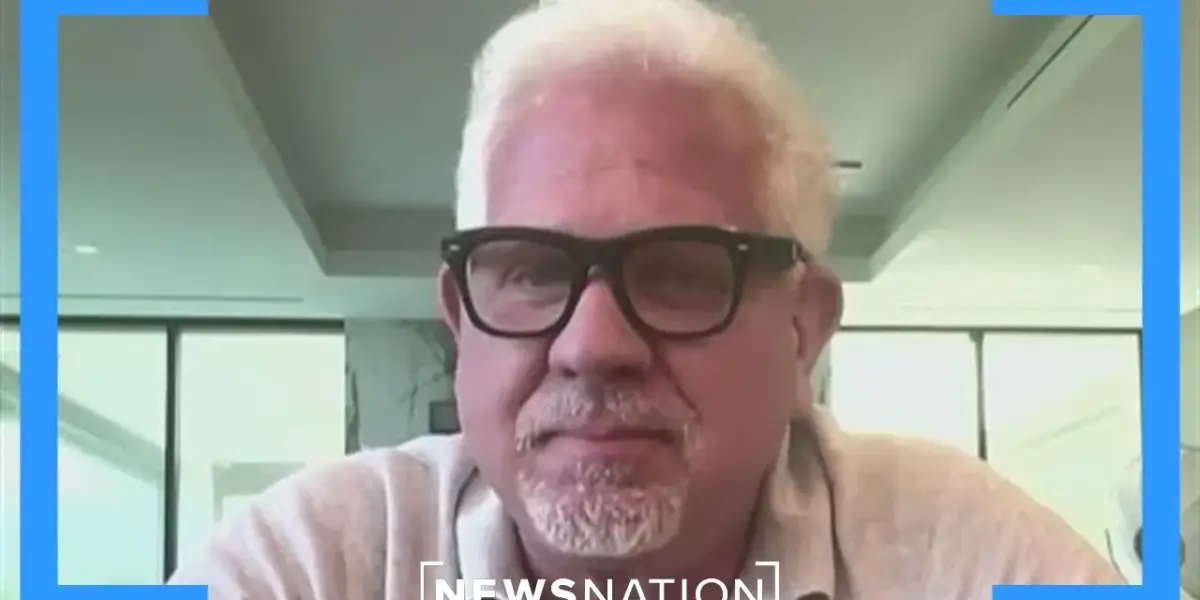
Source: Glenn Beck believes God will not ignore Trump's prayers | Katie Pavlich Tonight (YouTube)

Related Articles

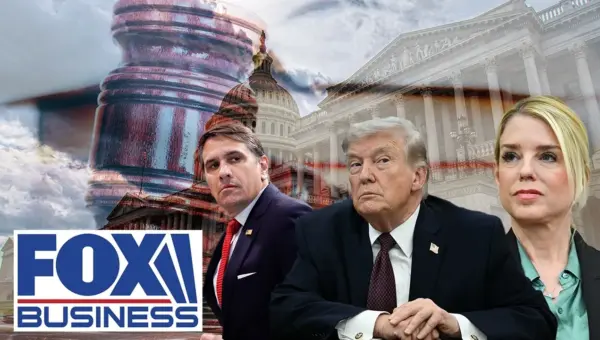
Trump Ousts AG Bondi, Eyes Zeldin as Successor
Pam Bondi is out as Attorney General after one year, with Deputy AG Todd Blanche serving as Acting AG. President Trump confirmed the departure, praising Bondi and hinting at a new private sector role. Lee Zeldin is reportedly being considered as Bondi's permanent replacement, amid ongoing speculation about other cabinet changes.

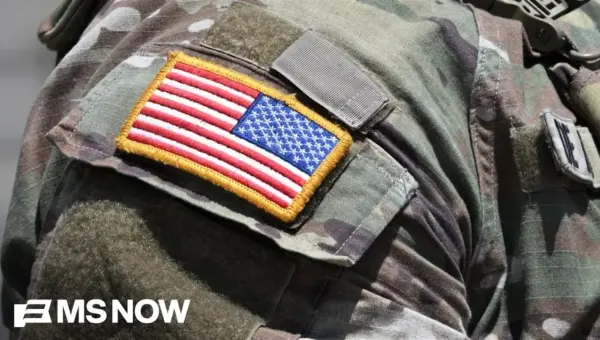
US Pilot Feared Lost in Iran; Search Underway
The U.S. military is conducting a search operation inside Iran for an American pilot whose fighter jet may have been downed. Details are limited, with uncertainty over whether the plane was shot down or suffered mechanical failure. The operation highlights the complexities of rescue missions in hostile territory and occurs amid heightened regional tensions.
US Policy Shift Stuns Allies, Weakens Global Security
US policy shifts regarding Ukraine, the Strait of Hormuz, and NATO are raising concerns among allies and creating global instability. Critics point to a lack of strategic planning and diplomatic consultation, potentially emboldening adversaries and undermining international security.