White House Ballroom Project Gains Approval Amid Legal Battles
The White House ballroom project has secured final approval from the National Capital Planning Commission, moving forward despite a federal judge's order to halt construction. The project faces significant legal and congressional hurdles, with critics questioning its size, cost, and necessity. If completed, it would be the largest structural addition to the White House in over 70 years.


White House Ballroom Project Gets Key Approval
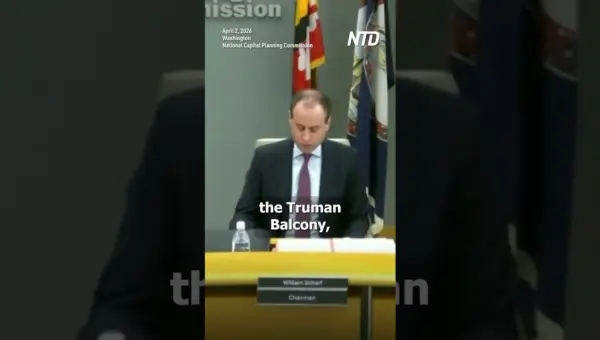
Washington D.C. – The controversial White House ballroom project has received final approval from the National Capital Planning Commission, a crucial step for its construction. This decision comes just two days after a federal judge ordered a halt to the project. The commission, responsible for approving construction on federal properties in the Washington region, voted 8 to 1 in favor of the plans. This vote allows the building plans to move forward, despite ongoing legal challenges.
Judge’s Order Creates Uncertainty
The approval faces a significant hurdle from a federal judge’s ruling earlier this week. U.S. District Court Judge Richard Leon ordered the Trump administration to stop construction on the ballroom. He stated that the president does not have the authority to build such a project without congressional approval. The Justice Department has since announced it will appeal this decision, creating a legal battle that could delay or even stop the project.
Commission Divided on Project’s Size and Scope
While the National Capital Planning Commission approved the plans, not all members agreed. DC Council Chair Phil Mendelson, the sole dissenting vote, expressed concerns about the ballroom’s proposed size. He argued that it is too large and would overshadow the executive mansion itself. However, William Shariff, the commission’s chairman appointed by President Trump, defended the project. He pointed to the White House’s long history of renovations and additions, suggesting this ballroom is no different. Shariff argued that many historical changes to the White House were initially criticized but later became cherished features.
Protests and Ethical Concerns Raised
Outside the commission’s meeting, protesters voiced their opposition to the ballroom. They called the project unnecessary and too large. Concerns were also raised about the $400 million price tag, which is reportedly being funded by private donations. Protesters highlighted potential ethics questions surrounding the funding and the project’s overall necessity. They emphasized the White House’s role as a national symbol and stated that the American people are willing to fight for it.
President Trump’s Reaction and Vision
Following the commission’s vote, President Trump posted on Truth Social, thanking the commissioners for their overwhelming approval. He shared a photo of himself at the construction site and expressed his pleasure that the project is moving forward. Trump stated that for over 150 years, presidents have dreamed of a ballroom at the White House for grand events. He believes he is the first president to make this much-needed project a reality. He described the ballroom as on time and under budget, predicting it will be the greatest and most beautiful ballroom in the world upon completion.
Legal and Congressional Hurdles Remain
The path forward for the ballroom project is complex. The federal judge’s order to halt construction remains in effect for 14 days while the government prepares its appeal. This legal process could take considerable time, potentially delaying construction. Furthermore, the project requires congressional approval, which may be difficult to obtain. Many observers doubt Congress would vote to approve the ballroom, especially given the ongoing legal disputes and public opposition.
Historical Context and Scale of the Project
If completed, the ballroom would represent the largest structural change to the White House in over 70 years. The addition is a massive 90,000 square feet. It includes not only a ballroom but also new kitchen facilities, a replacement for the family movie theater, and office space for the First Lady and her staff. This scale is comparable to the major renovations undertaken during President Harry Truman’s administration in the late 1940s and early 1950s, when the entire White House was gutted and rebuilt due to structural issues. The addition of the Truman Balcony during that era is cited as a precedent for significant architectural changes that eventually become accepted parts of the White House.
Timeline and Future Outlook
The administration has not released a clear timeline for the ballroom’s completion. President Trump has expressed a desire to finish the project before his term ends in early 2029, stating it is on schedule and under budget. However, the legal challenges and potential delays in the appeals process could jeopardize this goal. Legal experts suggest that if the National Trust for Historic Preservation, the organization that sued, wins its appeal, the White House might appeal to higher courts, further extending the legal process and halting construction. This could push completion beyond the president’s term.
Source: Trump's ballroom wins commission approval days after judge ordered construction stop (YouTube)

Related Articles

White House Ballroom Faces Backlash, Echoing Past Controversies
A controversial new ballroom at the White House has received final approval, sparking debate. This mirrors historical opposition to other now-iconic White House features, suggesting future acceptance.


Trump Reveals Secret Bunker Plans, Compromises Security
A federal judge has halted construction on a White House ballroom project, a decision Donald Trump appears to have misunderstood. In his defense, Trump inadvertently revealed details about an underground security bunker, raising national security concerns. The ruling underscores the president's role as a steward, not owner, of federal property.


Trump Cleans House: Top Officials Exit as Presidency Faces Turmoil
President Trump is reportedly replacing top officials, including Attorney General Pam Bondi and potentially Director of National Intelligence Tulsi Gabbard. This marks a shift from his earlier strategy of seeking lower staff turnover.