Trump Threatens NATO Over Iran; Ukraine Talks Deepen
Former U.S. President Donald Trump criticized past Ukraine aid and threatened to link future support to European action on the Strait of Hormuz. Meanwhile, President Zelenskyy held talks on security guarantees, and Ukraine conducted drone strikes targeting a Russian oil refinery in Ufa and military sites.

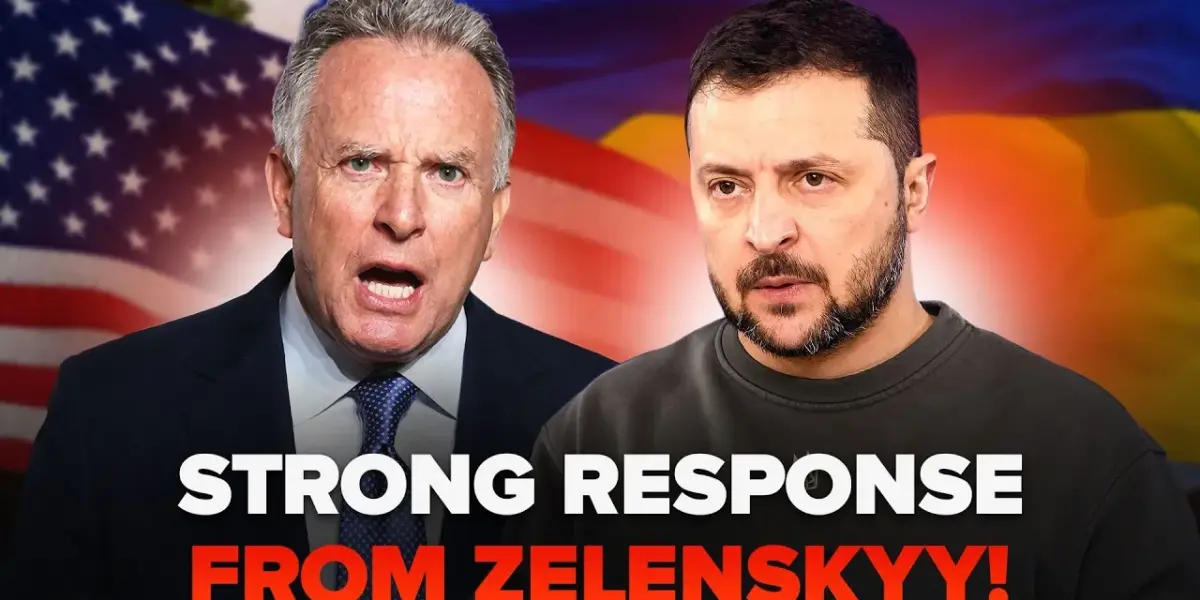
Trump Links Ukraine Aid to Iran Deal, Seeks Burden Shift
Former U.S. President Donald Trump has sharply criticized the previous administration’s financial commitment to Ukraine, stating that approximately $350 billion was spent without clear benefit to American national interests. Trump asserted that the U.S. should not have become involved in the conflict. He also highlighted the depletion of American military stockpiles due to extensive arms supplies to Kyiv. This situation, he explained, necessitates a nationwide ramp-up in ammunition production.
Trump outlined a different approach to foreign aid, emphasizing that under his proposed policies, weapons would not be given away freely. Instead, he stated that the U.S. would sell ammunition, with the European Union footing the bill. This strategy was reportedly discussed in the context of broader diplomatic pressures, including a threat to halt weapon supplies to Ukraine under the prioritized “Pearl” program. This threat was contingent on European allies not supporting a U.S. operation to reopen the Strait of Hormuz, which Iran had reportedly blocked.
The Financial Times reported that Trump had previously demanded NATO allies assist in securing the Strait of Hormuz. When European capitals initially rebuffed this request, Trump allegedly threatened to cease U.S. weapon shipments to Ukraine. This pressure led to a hastily drafted statement from key NATO members, including France, Germany, and the United Kingdom, on March 19th. The statement expressed a willingness to contribute to efforts ensuring safe passage through the Strait. NATO Secretary General Jens Stoltenberg reportedly played a role in these discussions, engaging in numerous calls with Trump and U.S. Secretary of State Antony Blinken, according to sources familiar with the matter.
British officials did not deny the U.S. threat to withdraw support for Ukraine unless NATO countries increased their commitment to the Strait of Hormuz operation. A NATO official declined to comment on the specifics of Stoltenberg’s private calls. Despite these threats, some within the alliance reportedly view Trump’s statements as a recurring theme, referring to them as “Groundhog Day.” However, the possibility of swift decisions by the U.S. President maintains an atmosphere of concern among some diplomats. One senior European diplomat suggested that Trump’s rhetoric might be an attempt to compel European nations to allocate resources towards unblocking the Strait of Hormuz. Other interlocutors, however, do not see a direct link between these two issues.
Zelenskyy Engages in High-Level Talks on Security Guarantees
Ukrainian President Volodymyr Zelenskyy held discussions on April 1st with Steve Witkoff and Jared Kushner, representatives of former U.S. President Donald Trump. The talks, which also included NATO Secretary General Jens Stoltenberg and U.S. Senator Lindsey Graham, reportedly focused on a ceasefire proposal for the Easter holidays. Zelenskyy stated that the conversations covered Ukraine’s ceasefire initiative, security guarantees, and European involvement in the peace process.
According to Zelenskyy’s address, the parties agreed to strengthen security guarantees for Ukraine. He mentioned instructing his team to update relevant documents to ensure these guarantees are robust and that the prospect of post-war reconstruction is tangible. Zelenskyy emphasized the need for practical and up-to-date security arrangements, acknowledging the rapidly changing global landscape and potential shifts in alliances and security challenges.
The Ukrainian President also noted the readiness of the U.S. representatives to collaborate on finding compromises to end the war with Russia. He stressed the importance of a unified stance and clear communication with Russia. Furthermore, Zelenskyy highlighted the necessity of well-prepared documents, particularly regarding security guarantees, to ensure Ukrainians understand how partners will respond to future Russian aggression. This clarity, he believes, is crucial for deterring further aggression.
Ukraine Strikes Russian Oil Refinery and Military Targets
In the early hours of April 2nd, a significant fire erupted at an oil refinery in Ufa, Russia, following what reports describe as a drone attack. Residents reported hearing explosions, with the fire breaking out in the city’s industrial zone. An air danger alert was declared in Ufa, and airport operations were temporarily suspended due to the threat of further drone activity. The head of Bashkortostan confirmed the attack, stating that several drones were shot down as they approached the refinery. Debris from one drone reportedly fell in the industrial zone, but no casualties were reported.
Serhiy Sternenko, a volunteer and advisor to Ukraine’s Minister of Defense, identified the target as the Bashneft Novoil oil refinery, located approximately 1,400 kilometers from the Ukrainian border. Preliminary reports indicate that the primary oil refining unit, AVT-5, at the Bashneft UNPZ plant was affected. This facility is a key component of Bashneft, which is part of Rosneft, and serves as a major oil processing hub for Western Siberian crude oil, Bashkir oil, and gas condensate.
In separate actions, Ukrainian forces also targeted military infrastructure within Russia. The General Staff of the Armed Forces of Ukraine reported that Ukrainian forces struck Strela JSC in Russia’s Bryansk region. This company is known to produce components for cruise missiles. The strike aimed to degrade the military and economic capabilities of the Russian forces. Information regarding the full extent of the losses is still being gathered.
Ukrainian forces also conducted strikes on Russian UAV command posts in the Zaporizhzhia region, near Zaliznychne and Dolynka. Additional hits were recorded on a command and observation post near Uspenivka in the Dnipropetrovsk region. Ukrainian forces also targeted clusters of Russian personnel near Sosnivka and a logistics warehouse near Yakymivka, both in the Zaporizhzhia region. Furthermore, a concentration of Russian weapons and military equipment was hit near Novosvitlivka in the occupied Luhansk Oblast. Details on Russian losses from these strikes are currently being compiled.
Strategic Implications
Former President Trump’s rhetoric signals a potential shift in U.S. foreign policy, emphasizing a transactional approach to international security and a desire to reduce direct financial burdens on American taxpayers. His willingness to tie aid for Ukraine to European cooperation on other strategic interests, like the Strait of Hormuz, suggests a more assertive negotiation style with allies. This approach could increase pressure on European nations to increase their defense spending and take on greater responsibility for regional security, potentially reshaping the NATO alliance’s operational dynamics and burden-sharing.
The drone attack on the Ufa oil refinery demonstrates Ukraine’s expanding reach and capability to strike deep within Russian territory, targeting critical infrastructure. Such attacks aim to disrupt Russia’s economic capacity and its ability to fund the war effort. By targeting oil refining facilities, Ukraine seeks to impact Russia’s energy exports and domestic fuel supply. The successful strikes on components manufacturers and command posts further indicate Ukraine’s strategy to degrade Russia’s military-industrial complex and command-and-control capabilities, thereby diminishing its offensive potential on the front lines.
President Zelenskyy’s engagement with representatives of former President Trump, alongside NATO leadership, highlights Ukraine’s proactive diplomatic efforts to secure long-term security assurances. The focus on strengthening security guarantees and ensuring robust post-war reconstruction underscores Ukraine’s commitment to its sovereignty and territorial integrity. The reported agreement to update security documents suggests a move towards formalizing these commitments, providing clearer frameworks for future deterrence and defense against potential Russian aggression.
Source: 😱Urgent war decisions! Zelenskyy shocked after talks with US. Unexpected details revealed (YouTube)

Related Articles


Trump Ousts AG Bondi, Eyes Zeldin as Successor
Pam Bondi is out as Attorney General after one year, with Deputy AG Todd Blanche serving as Acting AG. President Trump confirmed the departure, praising Bondi and hinting at a new private sector role. Lee Zeldin is reportedly being considered as Bondi's permanent replacement, amid ongoing speculation about other cabinet changes.

US Policy Shift Stuns Allies, Weakens Global Security
US policy shifts regarding Ukraine, the Strait of Hormuz, and NATO are raising concerns among allies and creating global instability. Critics point to a lack of strategic planning and diplomatic consultation, potentially emboldening adversaries and undermining international security.

Trump’s NATO Insults Spark Global Outrage, Allies Push Back
Former U.S. President Donald Trump's leaked private remarks, filled with insults aimed at NATO allies, have sparked international outrage and calls for European self-reliance. The comments highlight growing concerns about U.S. reliability and the potential for a long-term split in transatlantic relations. The discussion also touched upon domestic UK issues, including NHS strikes and political shifts, alongside a unique debate on marmalade regulations.