Trump’s Iran War Speech Misses Mark, Creates Chaos
President Trump's primetime address on the Iran War failed to provide clear strategy, instead highlighting domestic political divisions and economic distortions. The war's focus on economic impacts overshadows military realities and affects 2028 presidential prospects like J.D. Vance. Tensions also simmer within NATO.

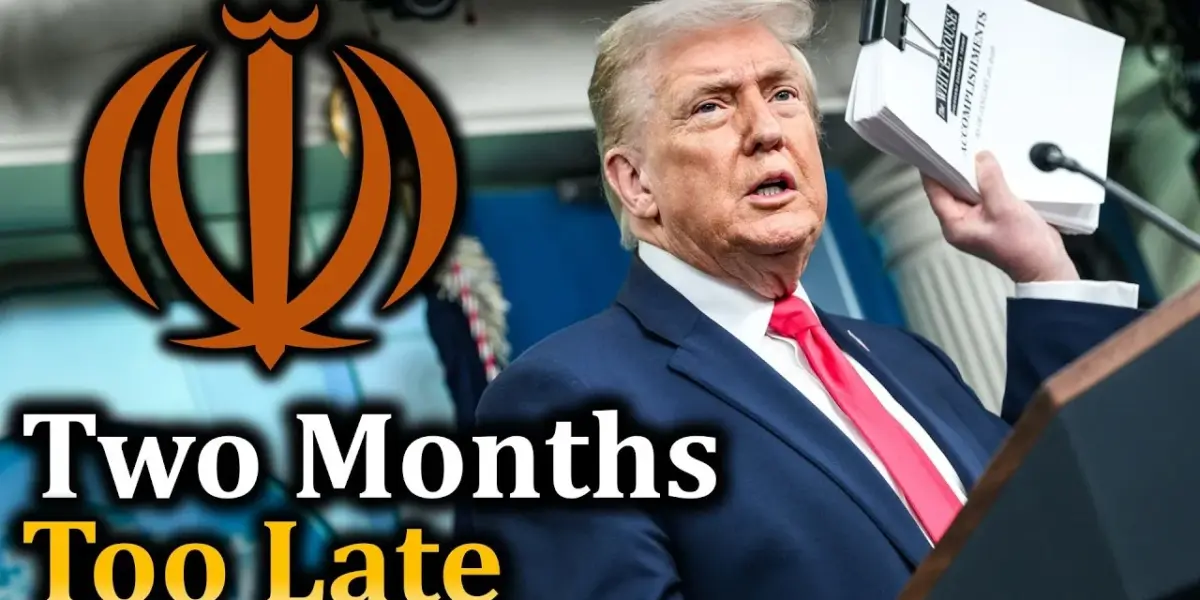
Trump’s Iran War Address Stirs Domestic Political Storm
President Donald Trump’s recent primetime address, intended to address the ongoing Iran War, has instead highlighted deep divisions and strategic missteps within U.S. domestic politics. The speech, which offered little concrete strategy for ending the conflict, underscored a growing disconnect between military objectives and public perception, primarily driven by economic concerns. This has led to a peculiar situation where the Pentagon adjusts its strategy based on market reactions rather than purely military considerations.
War Coverage Skews Economic Over Military Realities
The public discourse surrounding the Iran War has largely focused on economic impacts, such as fluctuating gas prices and stock market performance. This focus has overshadowed the actual military developments and their broader geopolitical consequences. While the administration aims to manage economic stability, critics argue this approach could embolden adversaries and complicate long-term strategic goals. The reliance on economic considerations, such as waiving sanctions on oil, even Iran’s own, illustrates this complex balancing act.
The theory inside of the administration is that you cannot continue the war if gas prices remain elevated. So it is okay to essentially take actions that eventually result in more money handed over to Iran.
This strategy, while aimed at maintaining domestic economic health, creates a high-leverage situation. If the war falters, the negative consequences of these economic policies could be amplified. The lack of sustained media attention on the military aspects of the conflict means the public may not fully grasp the strategic costs, such as the depletion of vital weapons stockpiles. For instance, an estimated 900 Tomahawk missiles may have been expended in just over a month, potentially representing 20% or more of the U.S. inventory. While cheaper alternatives like JDAMs can be used once air superiority is achieved, the limited annual procurement of Tomahawks raises concerns about long-term readiness, especially when considering potential future conflicts.
J.D. Vance’s Political Fortunes Tied to War’s Outcome
The Iran War has significantly impacted the 2028 presidential race, particularly for Senator J.D. Vance. Once the frontrunner in prediction markets for the Republican nomination, Vance’s odds have plummeted since the war’s inception. His initial strong position was attributed to his ability to consolidate Republican support. However, the war’s unpopularity, coupled with a potential primary challenge from Senator Marco Rubio, has weakened his standing. Vance’s projected odds have fallen, placing him neck-and-neck with Gavin Newsom for the overall presidency, signaling a challenging path ahead for the Republican Party.
Rubio’s Strategic Positioning
Senator Marco Rubio has seen a modest increase in his odds, though his potential primary battle with Vance could leave lasting political damage. The outcome of the 2026 midterm elections and any subsequent actions by Rubio, such as a resignation, could offer further clues about his presidential ambitions and potentially cause unease among European allies who favor working with him over the current administration.
NATO Alliance Faces Strain Amidst War
The Iran War has also exacerbated tensions within the NATO alliance. Recent actions by France and Spain to close their airspace to U.S. aircraft heading to the Gulf prompted discussions about the U.S. role in NATO. While an ultimatum against the alliance was anticipated in Trump’s address, he instead focused on allies contributing to Gulf security. This measured approach, however, does not eliminate the underlying friction regarding basing rights and European defense spending commitments.
The Counterproductive Threat of Leaving NATO
The speculation that President Trump might withdraw the U.S. from NATO, while seemingly a strong negotiating tactic, could prove counterproductive. Such a move could lead to the loss of U.S. military bases in Europe, diminishing American influence and potentially worsening the very problems the administration seeks to address. While a complete withdrawal is unlikely, a strained interpretation of Article 5, NATO’s mutual defense clause, could become a possibility. The ongoing debate over defense spending, particularly Spain’s commitment, highlights the persistent challenges within the alliance.
Strategic Implications and Future Outlook
President Trump’s delayed justification for the Iran War and its economic focus have created a complex and potentially volatile situation. The war’s true geopolitical costs remain obscured by economic anxieties, impacting public understanding and potentially weakening U.S. strategic flexibility. The political landscape, both domestically and internationally, remains fluid, with the Iran War casting a long shadow over future elections and alliances.
Source: The Utterly Broken Political Situation the Iran War Created in the U.S. (YouTube)

Related Articles
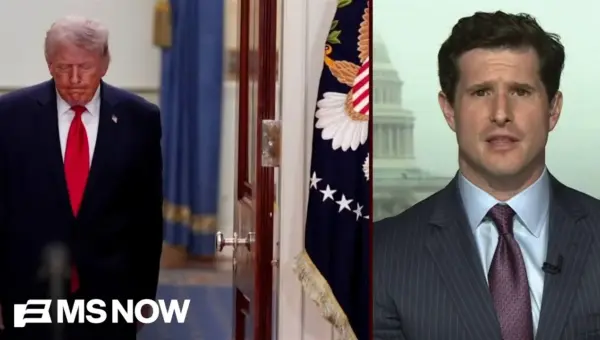
Trump Weighs War Exit Amid Iran Strikes and Internal Debate
President Trump is reportedly facing internal debate over how to end the escalating conflict with Iran, according to a new Time Magazine report. While publicly vowing to increase strikes, privately Trump seeks an "off-ramp" to declare victory and avoid domestic backlash, even as advisors express surprise at Iran's retaliatory attacks.

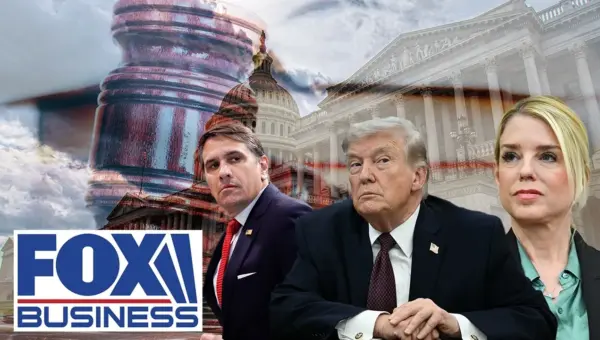
Trump Ousts AG Bondi, Eyes Zeldin as Successor
Pam Bondi is out as Attorney General after one year, with Deputy AG Todd Blanche serving as Acting AG. President Trump confirmed the departure, praising Bondi and hinting at a new private sector role. Lee Zeldin is reportedly being considered as Bondi's permanent replacement, amid ongoing speculation about other cabinet changes.
US Policy Shift Stuns Allies, Weakens Global Security
US policy shifts regarding Ukraine, the Strait of Hormuz, and NATO are raising concerns among allies and creating global instability. Critics point to a lack of strategic planning and diplomatic consultation, potentially emboldening adversaries and undermining international security.