RFK Jr.’s Microplastic Plan: A Bold Move to Clean Our Bodies
HHS Secretary Robert F. Kennedy Jr. has announced a $144 million plan called STOP to target microplastics inside the human body. The initiative aims to identify, understand, and remove these particles. The EPA is also taking steps to safeguard drinking water from similar contaminants.

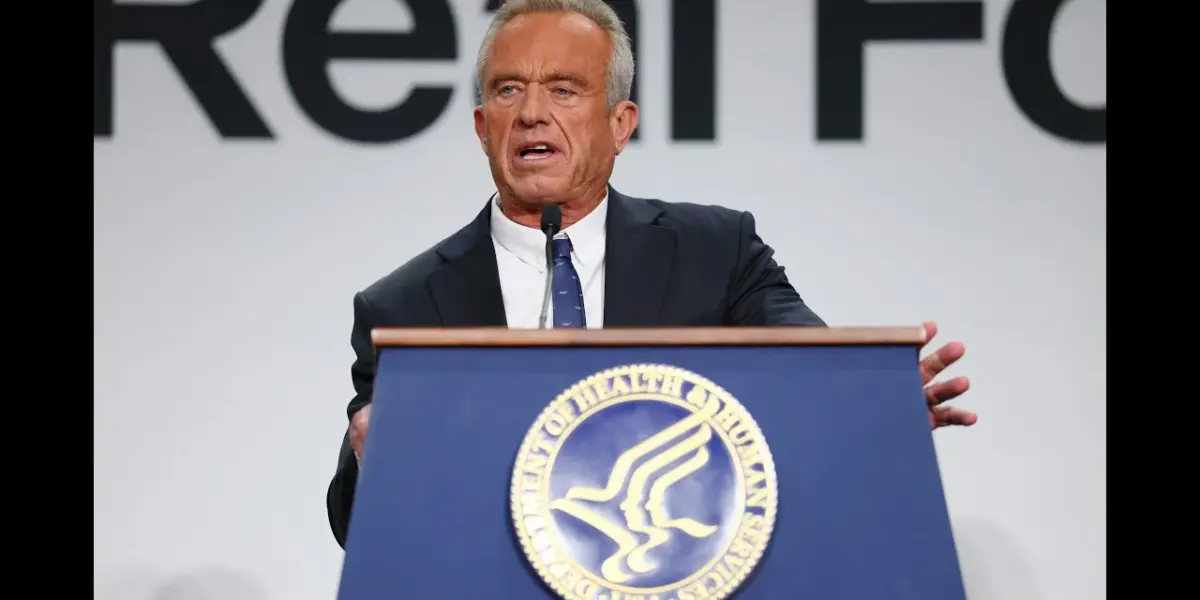
RFK Jr. Tackles Microplastics: A Bold Plan for Body and Water
Microplastics are everywhere, and now they’re inside us. The Department of Health and Human Services (HHS) is launching a major effort to understand what these tiny plastic pieces are doing to our bodies and how we can get them out. This new program, called STOP (Systematic Targeting of Microplastics), is a significant step to address a growing public health concern.
Understanding the Threat Inside Us
HHS Secretary Robert F. Kennedy Jr. and EPA Administrator Lee Zeldon announced the STOP initiative. Its main goals are clear: to figure out exactly what microplastics are in the human body, what harm they cause, and most importantly, how to remove them. This focus addresses widespread public worry about plastic pollution affecting our health.
The scale of the problem is concerning. Studies suggest that the average person swallows tens of thousands of microplastic particles every year. These particles come from the food we eat, the water we drink, and even the air we breathe. One study found brain tissue containing plastic concentrations so high, it was like having a spoonful of plastic in every human brain.
Evidence of Widespread Contamination
The presence of microplastics isn’t just theoretical; it’s been confirmed in various human tissues. Secretary Kennedy pointed out that these tiny plastics have been found in blood, lung tissue, livers, kidneys, and even placentas. In a study examining 62 placentas, every single sample tested positive for microplastics. This shows that exposure can start even before birth, raising serious questions about fetal development.
Furthermore, not all microplastics act the same way. Different types of plastic materials can build up in different organs. They also seem to cause different kinds of damage to our biological systems. This complexity means research needs to be detailed and specific to understand the full impact.
Safeguarding America’s Drinking Water
Beyond the human body, the Environmental Protection Agency (EPA) is also taking action to protect our water supply. Administrator Zeldon announced new steps to keep contaminants, including microplastics and pharmaceuticals, out of U.S. drinking water. This is a direct response to the calls from millions of Americans who want to know what they are drinking every day.
In a historic move, the EPA is now designating microplastics and pharmaceuticals as priority contaminant groups. This means they will receive special attention and resources for monitoring and regulation. It’s the first time the agency has taken such a specific step to target these types of pollutants in our water.
Why This Matters
The STOP initiative and the EPA’s actions are crucial because microplastics represent a pervasive and relatively new environmental and health challenge. For years, the focus has been on larger plastic waste. Now, science is revealing how these microscopic fragments are infiltrating our bodies and potentially causing harm. Understanding this internal contamination is vital for developing effective health strategies. Protecting drinking water sources is equally important, as it’s a primary pathway for both microplastic and pharmaceutical exposure.
Historical Context and Future Outlook
Plastic production has exploded since the mid-20th century. Initially seen as a miracle material, its long-term environmental impact, especially concerning microplastics, is only now being fully understood. Early research in the late 20th and early 21st centuries began to identify plastic pollution in oceans and wildlife. However, the focus on human health implications and internal body contamination is a more recent development, driven by advancements in detection technology and growing scientific evidence.
The STOP program signifies a shift towards proactive public health measures in response to environmental contaminants. It moves beyond simply identifying the problem to actively seeking solutions for removal and prevention. The EPA’s designation of microplastics and pharmaceuticals as priority contaminants suggests a trend toward more targeted regulation of emerging pollutants in public water systems.
Implications and Trends
The implications of this initiative are far-reaching. It could lead to new diagnostic tools for detecting microplastics in people, as well as novel treatment methods for their removal. On the environmental front, it will likely spur further research into the sources of microplastic pollution and drive innovation in water purification technologies. We may also see increased pressure on industries to reduce plastic use and develop more biodegradable alternatives.
This effort highlights a growing awareness of the interconnectedness between environmental health and human health. It signals a trend towards governmental agencies taking a more integrated approach to pollution control, recognizing that what happens in the environment directly affects us. The long-term outlook suggests a future where monitoring and mitigating the impact of microscopic pollutants becomes a standard part of public health and environmental protection.
“We are focusing on three questions. What is in the body? What’s causing the harm? And how do we remove it?”
– HHS Secretary Robert F. Kennedy Jr.
Source: RFK Jr. Announces $144 Million Plan to Target Microplastics (YouTube)

Related Articles


US Health Agency Nears Autism Cause Discovery
The U.S. Department of Health and Human Services is reportedly nearing a breakthrough in understanding the causes of autism. A significant federal investment in research is yielding data that may reveal the interplay between genetics and environmental triggers. This effort aims to provide answers for families and improve public health strategies.


Microplastics Invade Our Bodies: Public Reacts to Food Safety Concerns
Everyday Americans are increasingly aware of and concerned about microplastics found in their food and bodies. Public reactions reveal shock, helplessness, and distrust in corporate motives, alongside a cautious hope for government action to ensure food safety for future generations.


Medical Experts Sound Alarm on Political Health Threats
Dr. Anahita Dua warns that potential leadership changes in health departments could endanger public well-being. Concerns are raised about RFK Jr.'s possible role in shaping health policy, emphasizing the need for science-based leadership. This issue is crucial for national health and future preparedness.