Trump Fires AG Pam Bondi; Medical Debt Crushes Americans
President Trump has fired Attorney General Pam Bondi, citing frustration with her performance, while Deputy AG Todd Blanche steps in. Meanwhile, a new report reveals that soaring hospital prices and a lack of transparency are pushing millions of Americans into crippling medical debt, forcing difficult financial choices.


Trump Ousts Attorney General Pam Bondi
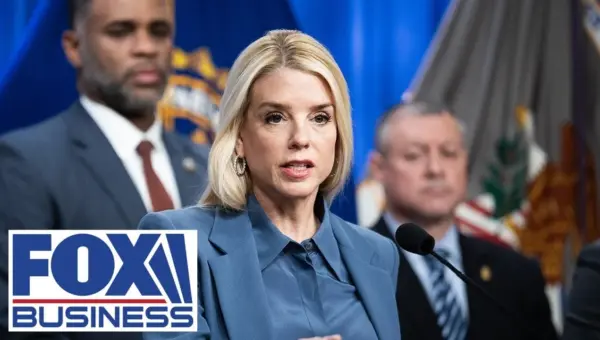
President Donald Trump announced via social media that Attorney General Pam Bondi is leaving her post to pursue opportunities in the private sector. Trump praised Bondi as a “great American patriot” and “loyal friend.” However, sources within the administration told NBC News that Trump actually fired Bondi, citing frustration with her performance in recent days. Deputy Attorney General Todd Blanche will step in as acting Attorney General.
Reasons Behind Bondi’s Dismissal
Sources indicate President Trump’s frustration with Bondi had been growing for some time. One major point of contention was Bondi’s perceived lack of vigor in prosecuting the President’s political opponents. Trump had reportedly expressed disappointment that the Department of Justice wasn’t more aggressively pursuing figures like Letitia James and Adam Schiff.
Another significant factor was Bondi’s handling of the Jeffrey Epstein case files. Reports suggest the administration was unsatisfied with the slow and seemingly clumsy rollout of these documents. The President reportedly felt he had to lead the public discussion on Epstein, rather than his own Attorney General.
These issues, combined with other perceived missteps, led to a decline in Bondi’s standing with the President and his inner circle. Senior administration officials noted that no one from the White House stepped forward to defend Bondi against critical reports, suggesting her departure was imminent.
Bondi’s Legacy and DOJ Independence
Pam Bondi’s tenure as Attorney General is seen by some as overseeing a shift in the traditional distance between the Department of Justice and the White House. Historically, the DOJ has operated with significant political independence, especially since the Watergate era. However, under Bondi, this firewall appeared to weaken, with the Attorney General often seen as acting in closer alignment with the President’s wishes.
The irony of Bondi’s departure is that her interim replacement, Todd Blanche, previously served as President Trump’s personal attorney during his time as a candidate. This raises questions about the continued independence of the Attorney General’s office.
Todd Blanche Takes the Helm
Todd Blanche, who previously served as the Deputy Attorney General, will now serve as acting Attorney General. Blanche is described as a serious professional with a background as a federal prosecutor and defense attorney. He is seen by many in Washington as a capable and trustworthy figure.
While it’s unclear how the Federal Vacancies Act will apply given Blanche’s prior confirmation as Deputy AG, it is widely expected that President Trump will want a permanent, Senate-confirmed Attorney General to serve out the remainder of his term. Blanche is considered a strong candidate to hold the position long-term.
Broader Trends: “Cleaning House”?
Bondi’s firing comes just a month after the dismissal of Homeland Security Secretary Kirstjen Nielsen. This pattern suggests a potential shift in the administration’s approach, moving away from its previous tendency to keep people in place longer. In Trump’s first term, staffing changes were frequent. In his current term, the administration had initially focused on loyalty and keeping staff in-house to prevent public criticism.
However, the recent firings might signal a new phase. Reports of the President’s frustration with other cabinet members persist. Whether this indicates a broader “cleaning house” effort remains to be seen, especially with Chief of Staff Susie Wiles still overseeing the strategy of managing personnel changes.
Americans Drowning in Medical Debt
In a separate but equally pressing issue, a new report highlights the growing crisis of medical debt in America. Healthcare costs, including insurance premiums and hospital bills, have been rising faster than general inflation for years. This leaves millions of Americans facing impossible choices between essential living expenses and medical care.
The Soaring Cost of Healthcare
According to KFF, a health policy nonprofit, the average annual cost of insurance for a family of four is estimated to reach $27,000 by 2025. This figure represents a significant portion of the median U.S. income, making healthcare increasingly unaffordable. The primary driver of these rising insurance costs is the escalating price of healthcare services themselves, particularly hospital prices.
A study by Zach Cooper at Yale University shows that hospital prices have outpaced inflation significantly. Insurance companies pass these higher costs onto consumers, leading to more expensive premiums. For the uninsured, the situation is even more dire, as they often face the full “list price” charged by hospitals, which can be astronomically high.
Challenges with Transparency and Financial Assistance
Despite a 2021 law requiring hospitals to post their prices, accessing and understanding this information remains a significant challenge for consumers. Hospital pricing is often described as a “black box,” making it nearly impossible to shop for care or estimate costs in advance. This lack of transparency makes it difficult for patients to make informed decisions.
Furthermore, many nonprofit hospitals are required to offer financial assistance programs to patients, a condition for their tax-exempt status. However, patients like Randy Slaughter in Texas report being denied information or assistance. Slaughter faced a $33,000 bill for a three-day hospital stay due to stomach distress. Despite having insurance with a high deductible, he was initially told he didn’t qualify for financial aid. It was only after media intervention that the hospital re-evaluated his case, refunded some payments, and cleared his remaining balance.
Lack of Accountability in Pricing
The U.S. spends an enormous 18% of its Gross Domestic Product on healthcare, partly because consumers cannot easily compare prices. This allows prices to continue rising unchecked. An analysis of 600 common procedures found that average hospital charges across the U.S. are nearly five times what Medicare pays for the same services.
States with regulatory frameworks, like Maryland, which has monitored hospital prices since 1971, show lower price disparities. This suggests that stronger state-level regulation could be a path toward controlling costs and preventing patients from being overcharged.
What Patients Can Do
For individuals facing high medical bills, experts advise asking questions forcefully, especially regarding financial assistance programs at nonprofit hospitals. Patients should also try to access available pricing databases, although these are not yet user-friendly. NBCNews.com offers a tool that can help flag potential duplicate charges on hospital bills, encouraging patients to conduct their own due diligence.
Looking Ahead
The recent firings within the administration suggest a period of potential upheaval as President Trump reshapes his team. Meanwhile, the ongoing crisis of medical debt underscores the urgent need for greater transparency and affordability in the U.S. healthcare system. Future developments will likely focus on who ultimately fills the Attorney General role and what legislative or regulatory actions might be taken to address the crushing burden of medical costs on American families.
Source: Why President Trump Fired Pam Bondi; Americans Drown in Medical Debt | April 2 (YouTube)

Related Articles


Trump Ousts AG Bondi, Eyes Zeldin as Successor
Pam Bondi is out as Attorney General after one year, with Deputy AG Todd Blanche serving as Acting AG. President Trump confirmed the departure, praising Bondi and hinting at a new private sector role. Lee Zeldin is reportedly being considered as Bondi's permanent replacement, amid ongoing speculation about other cabinet changes.

GOP Lawmaker Demands ‘Aggressive’ AG Replacement
GOP lawmakers are divided over border security funding as one representative calls for a more "aggressive" Attorney General. The debate over funding and the upcoming replacement for AG Pam Bondi highlight internal party struggles. Meanwhile, concerns about birthright citizenship and FEMA's low disaster fund add to the political landscape.


Trump Fires AG Bondi Amidst Barrage of Personnel Changes
Donald Trump has fired Attorney General Pam Bondi, her tenure marked by controversy and a short duration. This move continues a pattern of high turnover in key positions within the Trump administration, raising concerns about legal integrity and future appointments.