AG Battles Attorney Over Trump SCOTUS Visit Impact
A Supreme Court case on birthright citizenship is sparking debate. Legal experts clash over former President Trump's attendance at oral arguments and California AG Rob Bonta's criticisms. The ruling, expected by June, could impact immigration policy and labor markets.

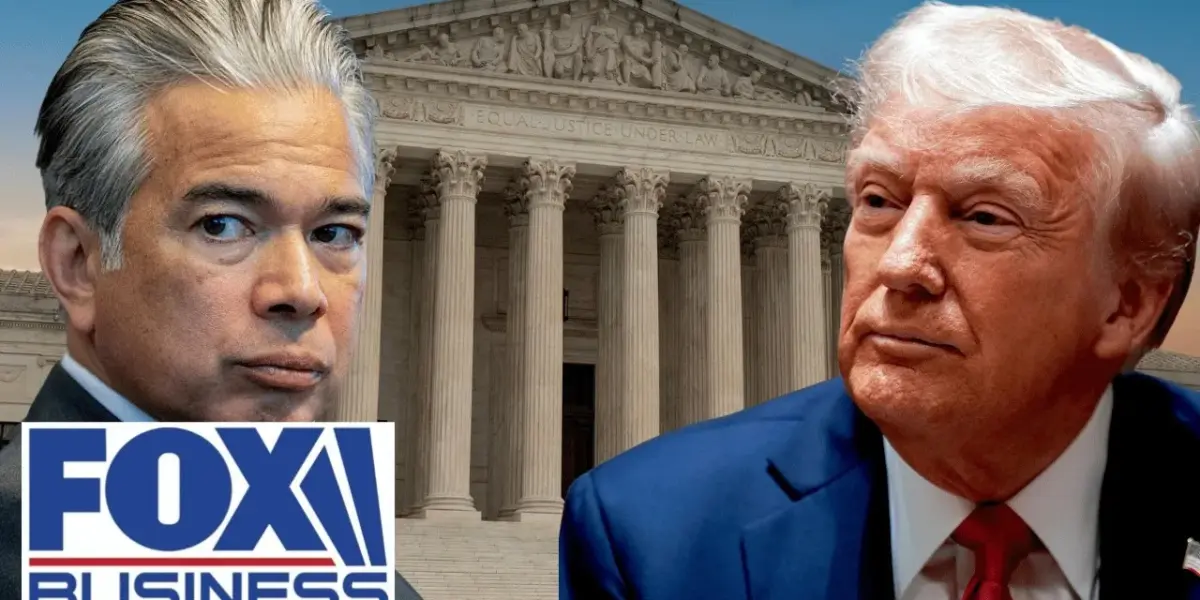
Supreme Court Case Sparks Fierce Debate Over Citizenship and Immigration
A recent Supreme Court case concerning the definition of U.S. citizenship and immigration has ignited a heated public discussion, drawing sharp criticism from legal experts regarding the actions and statements of key political figures. The core of the debate centers on whether individuals born in the U.S. to non-citizen parents, often referred to as “anchor babies,” should automatically be granted citizenship. This issue is of significant importance, with potential rulings expected by June.
Key Legal Arguments and Concerns
The Trump administration has argued against automatic citizenship for children born in the U.S. to parents without legal status. Their position suggests that to be a citizen, one must be born within the United States or have a parent who holds legal residency. This stance raises complex questions about birthright citizenship, a principle deeply embedded in American law.
Legal analysts suggest that if the Supreme Court rejects this position, Congress may need to step in. Drafting new legislation could clarify the rules around citizenship and ensure that the system is not exploited. The concern is that individuals may be attempting to gain citizenship, and subsequently voting rights, through what some describe as an abuse of the system.
“We need clarification, and we have to be serious, not just about this case. It’s overrun by illegal aliens that are trying to come in here, get citizenship and vote, and we are seeing it. This is into myth. It isn’t theoretical. It is real.”
This statement highlights the urgency felt by some regarding the potential implications of current immigration trends on the integrity of the citizenship process and electoral outcomes. The situation is described not as a hypothetical problem, but as a present reality impacting the nation.
Clash Over Political Influence at the Court
The debate intensified when California Attorney General Rob Bonta accused former President Donald Trump of attempting to intimidate the Supreme Court by attending oral arguments. Bonta suggested that Trump views laws and the Constitution as mere obstacles to his personal agenda. He further implied that Trump’s presence was an inappropriate message to the court.
Bonta stated, “Tries to blow by the law, sees laws and the Constitution as speed bumps on his way to advancing his own agenda. Seems like there’s a potential he was trying to intimidate the U.S. Supreme Court… I don’t think that’s an appropriate message to be sending.” He acknowledged that his interpretation might be mistaken but based it on Trump’s past behavior.
Counterarguments on Trump’s Presence
In response, legal commentator Matt Kirk pushed back against Bonta’s assessment. Kirk argued that Trump’s attendance signaled the case’s immense importance for future generations. He criticized Bonta’s remarks, calling them a case of “pot meet kettle.” Kirk pointed out that Bonta himself traveled to Washington D.C. to address the issue, questioning why one elected official’s presence would be seen as intimidating while another’s public statements would not.
Kirk explained, “The only message he is sending is how important this case is for generations to come. And I’ve got to say, pot, meet kettle because Bonta flew to D.C. and if one elected official’s presence is so scary, this twisted, pervasive logic, goes out to do a press conference and talks about intimidation.”
Kirk emphasized that Trump sat through the 90-minute hearing because the case is crucial for establishing a legacy. He believes Trump was signaling to the nation that this issue demands public attention and that the outcome could significantly impact the country’s future.
Market Impact and Investor Considerations
While the Supreme Court case directly addresses legal and constitutional questions, its potential outcomes could have ripple effects across various sectors. Changes to immigration policy and citizenship laws can influence labor markets, consumer spending, and economic growth. Industries relying on immigrant labor, such as agriculture, construction, and hospitality, could face significant adjustments.
Investors should monitor the Supreme Court’s ruling and any subsequent legislative actions closely. The clarity or uncertainty surrounding immigration and citizenship rules can impact business planning and investment decisions. Companies operating in industries sensitive to demographic shifts or labor availability may need to adapt their strategies. The broader economic implications hinge on how effectively the U.S. can maintain its workforce and consumer base, regardless of the specific legal definitions of citizenship.
What Investors Should Know
The Supreme Court’s decision, expected by June, could alter the landscape of immigration law. Any legislative responses from Congress will further shape these policies. Investors should consider how potential changes might affect industries reliant on a stable workforce or consumer demand. For instance, sectors with a significant number of foreign-born workers or consumers could see their operating environments change. Understanding these potential shifts is crucial for long-term investment planning and risk management.
Source: 'POT MEET KETTLE': Attorney calls out Calif. AG over Trump SCOTUS remarks (YouTube)

Related Articles

Trump Ousts AG Bondi, Eyes Zeldin as Successor
Pam Bondi is out as Attorney General after one year, with Deputy AG Todd Blanche serving as Acting AG. President Trump confirmed the departure, praising Bondi and hinting at a new private sector role. Lee Zeldin is reportedly being considered as Bondi's permanent replacement, amid ongoing speculation about other cabinet changes.

Trump’s NATO Insults Spark Global Outrage, Allies Push Back
Former U.S. President Donald Trump's leaked private remarks, filled with insults aimed at NATO allies, have sparked international outrage and calls for European self-reliance. The comments highlight growing concerns about U.S. reliability and the potential for a long-term split in transatlantic relations. The discussion also touched upon domestic UK issues, including NHS strikes and political shifts, alongside a unique debate on marmalade regulations.

Trump Fires AG Bondi Amidst Barrage of Personnel Changes
Donald Trump has fired Attorney General Pam Bondi, her tenure marked by controversy and a short duration. This move continues a pattern of high turnover in key positions within the Trump administration, raising concerns about legal integrity and future appointments.