Iran’s Internal Feuds Cripple Its Fight Against US
Internal power struggles within Iran are weakening its ability to confront the US, with different factions fighting each other rather than focusing on external threats. This internal conflict offers strategic options for the US but complicates any potential negotiations.

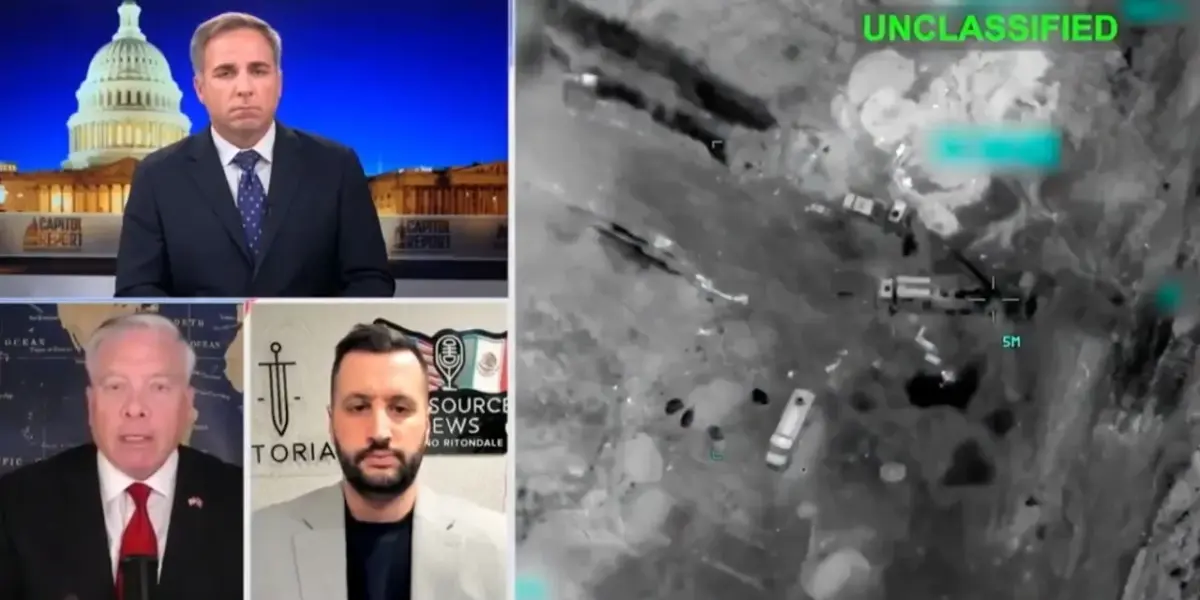
Iran’s Internal Feuds Cripple Its Fight Against US
When countries face external threats, they usually unite. But for Iran, the opposite seems to be happening. Instead of focusing on the United States, different groups within Iran are fighting each other. This internal conflict is weakening the country and hurting its ability to negotiate with the US.
US Options for Action
The US has several ways it could increase pressure on Iran. One idea is to target Iran’s power plants. President Trump has hinted at this, suggesting he could “bomb them back to the Stone Age.” Turning off power in major cities would certainly make life much harder for Iranians. However, this would likely lead to Iran retaliating. Iran might strike targets like desalination plants in the Persian Gulf, which are vital for water supply in the region.
Another option involves strategic islands in the Strait of Hormuz. Some of these islands are claimed by the UAE. For example, Kharg Island is a major oil export hub. The US has military forces like the 31st Marine Expeditionary Unit and elements of the 82nd Airborne Division ready. The US could potentially conduct raids to seize these islands. Afterwards, they could hand them over to allies like the UAE and Saudi Arabia to hold until Iran meets US demands.
Seizing islands like Qeshm Island, which Iran uses to control shipping traffic, is also a possibility. Other islands further west, recognized as UAE territory, could be used to lessen Iran’s influence in the Strait of Hormuz. Focusing on the Khostan province in western Iran, where most of the country’s oil is produced and which borders Iraq, could be logistically easier for operations. These actions aim to hurt Iran’s economy and give the US more power in negotiations.
Securing the Strait of Hormuz
The Strait of Hormuz is a critical waterway, carrying about 15% of the world’s oil. Iran has sometimes used it to control oil shipments. While the US doesn’t rely on this strait for its own oil, global oil prices affect everyone. If the strait is blocked or its traffic is disrupted, global oil prices rise, impacting the US economy and consumers at the pump.
To keep the strait open, the US and its allies may need to clear potential naval mines. This is a complex task, and the US doesn’t have a large number of mine-clearing vessels. European allies and Japan have more of these specialized ships. A coalition of countries that depend on the strait could work together to ensure freedom of navigation.
Internal Divisions in Iran
A key insight from analysts is the significant internal struggles within Iran. The government is not a single, unified force. The president, for instance, is seen as a figurehead with little real power in the current conflict. The Islamic Revolutionary Guard Corps (IRGC) is trying to assert its dominance. However, even within the IRGC and among hardline factions, there are intense rivalries.
These internal power struggles mean that Iran’s government is more focused on fighting itself than on confronting the US. This division hinders its ability to form a clear strategy or engage in meaningful negotiations. It also allows the US and its allies to strike at Iran’s military and economic capabilities more effectively.
Measuring Success
When assessing the success of any military operation against Iran, history will likely look at several factors. One major metric would be the degradation of Iran’s military capabilities. This includes its naval forces, missile programs, and overall ability to project power. Recent actions have reportedly led to significant losses for Iran’s air force, navy, and missile command.
Beyond military strength, the long-term economic and political viability of the Islamic Republic is also a measure. While the Iranian regime may claim victory to its people and the world, the reality lies in its reduced capacity to act on the global stage. A weakened Iran would allow other countries in the Middle East to increase their influence and power projection capabilities.
Why This Matters
The internal divisions within Iran are crucial to understanding the current geopolitical situation. Instead of a unified adversary, the US faces a fractured regime struggling with its own power dynamics. This internal chaos not only weakens Iran’s external position but also complicates any potential for diplomatic resolution. It suggests that external pressure might be more effective when leveraging these internal weaknesses.
Historical Context
Iran has a history of internal political maneuvering and factionalism, especially since the 1979 revolution. The IRGC has often been a powerful force, sometimes acting independently or even in opposition to the elected government. This ongoing struggle for power between different branches of the state and ideological factions is not new. However, the current focus on external conflict seems to have amplified these internal tensions, making them more visible and impactful on the nation’s foreign policy and defense strategies.
Implications and Future Outlook
The fracturing of Iran’s leadership means that any negotiations would be complicated by the need to satisfy multiple, often competing, internal interests. This could prolong conflicts or make agreements difficult to reach and sustain. For the US and its allies, it presents an opportunity to exploit these divisions, but also a risk of unpredictable responses from a desperate regime. The global economic impact, particularly on oil and gas prices, remains a significant concern, highlighting the interconnectedness of regional stability and world markets.
Source: Iranian Government Fighting Against Each Other, Rather Than US, Hinders Negotiations: Panel (YouTube)

Related Articles


Oil Shock: Hormuz Closure Triggers Global Financial Crisis
A prolonged closure of the Strait of Hormuz could trigger a global financial crisis, leading to soaring energy prices, bond market instability, and a stock market crash. Analysts warn of potential job losses and asset devaluation, with limited safe havens for investors.


Trump Fires AG Bondi, Iran Tensions Rise, Artemis II Heads to Moon
Attorney General Pam Bondi has been fired by President Trump, with Deputy AG Todd Blanche stepping in as acting AG. Amidst rising oil prices and escalating tensions, the U.S. warns Iran as the Artemis II mission successfully heads towards the Moon. Golfer Tiger Woods was arrested for DUI and is stepping away for treatment.


China’s Global Reach Faces Setbacks Amidst Internal Turmoil
China's international influence is facing growing opposition and internal challenges. From strategic island disputes and diplomatic overtures towards Taiwan to domestic unrest and technological failures, Beijing's global ambitions are encountering significant setbacks. These events signal a complex geopolitical landscape where China's power is being tested on multiple fronts.