Foreign Aid’s Ideological Twist Fuels Global Distrust
Pushing ideological agendas through foreign aid can backfire, creating distrust and harming vulnerable populations, especially women and girls. Valerie Huber advocates for respecting national sovereignty and fostering genuine partnerships in international development.

Foreign Aid’s Ideological Twist Fuels Global Distrust
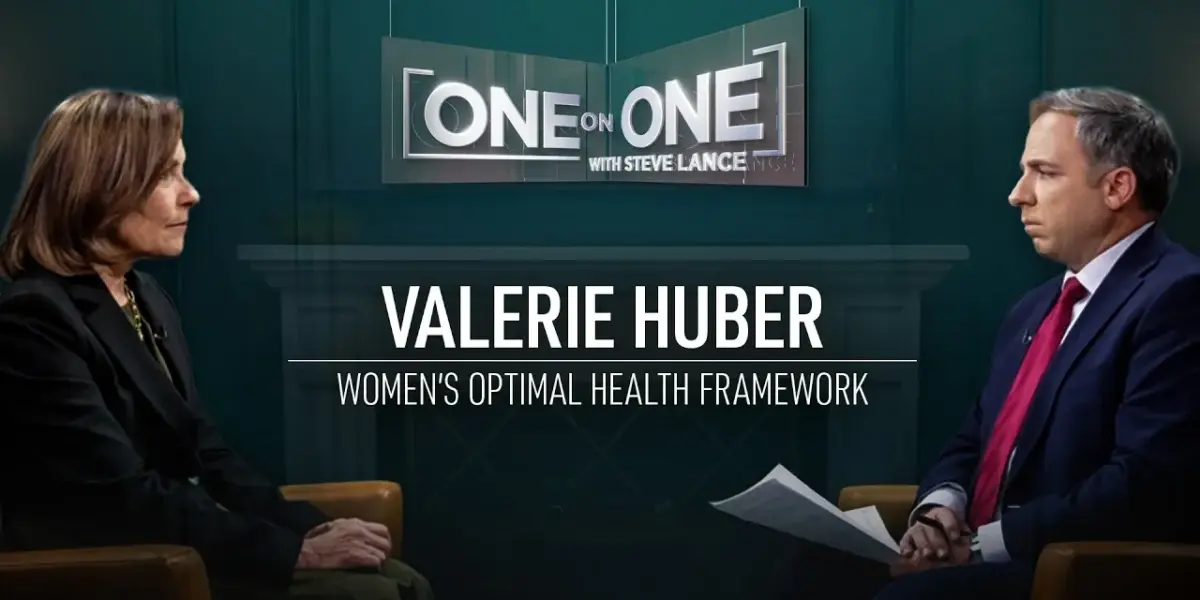
When the United States offers help to other countries, it’s often seen as a sign of generosity. But what happens when that help comes with strings attached, pushing ideas that don’t fit with a country’s own values? Valerie Huber, a former U.S. Special Representative for Global Women’s Health, argues that this approach can backfire, creating distrust and harming the very people it aims to help.
Women and Girls Often Suffer Most
Huber points out that women and girls are often the most vulnerable populations in developing countries. While many nations are working to improve their situations, the focus on human rights has become complicated. Some new, personal viewpoints are being presented as human rights, pushing aside the basic, agreed-upon rights that many countries, including the U.S., support. When these foundational rights are ignored, it’s the women and girls who need them most that lose out.
Ideology Over Impact
During her time as Special Representative, Huber was shocked to learn that every 15 seconds, a mother or newborn child died, often from preventable causes. Even more upsetting was seeing how certain ideologies, which involved redefining common terms, were blocking efforts to improve the lives of women and girls. She felt it was wrong that these ideological battles were standing in the way of progress.
When Diplomacy Becomes Disrespect
Huber explains that in countries with traditional or conservative values, when outside groups push progressive ideas, it can be seen as disrespectful. This isn’t just about disagreeing on issues; it can feel like an attack on a country’s core identity. When people see their government, or their country, being forced to accept foreign ideas that clash with their culture or beliefs, it breeds anti-American feelings. This can turn into a national security problem, as it damages relationships and trust.
When a country appears to be forcing foreign and what they believe to be destructive progressive ideologies upon their people. They see it as not merely a disagreement over positions. It is it is a disrespect at the core of that country.
The Geneva Consensus Declaration: A Different Path
To counter this trend, Huber played a key role in developing the Geneva Consensus Declaration. This agreement brings together nations committed to specific goals: improving women’s and girls’ health and well-being, strengthening families as the foundation of society, recognizing that there is no international right to abortion, and respecting each country’s sovereign right to decide its own laws without outside interference.
Lessons from a Latin American Country
Huber shared an example of a Latin American country that was pressured by the U.S. government about a decade ago to liberalize abortion laws, redefine marriage, and legalize marijuana. A leader from that country later said these were short-term gains, and the nation and its people are now suffering. Huber warns that leaders who compromise their country’s values for foreign aid risk appearing weak and setting their nation on a downward path.
Rethinking Health and Diplomacy
Huber also founded the Institute for Women’s Health, which promotes a model called “optimal health.” This approach looks at health holistically, considering physical, social, emotional, and spiritual well-being across a person’s entire life. It emphasizes the dignity of every person and empowers individuals and families to be their own advocates.
The Institute’s work, often through a model called Pro-Eco (Latin for “to defend and protect the nation, its people, and its future”), focuses on four pillars: health, education, legal matters, and diplomacy. They aim to help countries strengthen their own systems and effectively communicate their priorities internationally.
True Partnership in Health Diplomacy
Huber believes good health diplomacy means building healthy relationships between nations. It’s not about one country imposing its will on another. Instead, it involves genuine partnership, where both sides bring their expertise and work together to find solutions that respect local values and priorities. This approach, she argues, is essential for making real, lasting improvements in the health and well-being of people around the world.
Why This Matters
The way foreign aid is delivered has a significant impact on international relations and global well-being. When ideological agendas overshadow genuine humanitarian needs, it can erode trust between nations and create resentment. Huber’s perspective highlights the importance of respecting national sovereignty and cultural values when providing assistance. By focusing on shared goals and fostering true partnerships, countries can work more effectively to address critical health issues and improve lives without causing unintended harm or fostering anti-American sentiment. This approach can lead to more sustainable development and stronger, more respectful international relationships.
Implications, Trends, and Future Outlook
The discussion raises important questions about the future of foreign aid and international development. There’s a growing recognition that top-down approaches, which impose external values, are often less effective than collaborative efforts. The trend towards valuing national sovereignty and cultural context in aid programs is likely to continue. The success of initiatives like the Geneva Consensus Declaration, which brings countries together based on shared principles, suggests a potential shift towards more country-led development models. The future may see a greater emphasis on mutual respect and tailored solutions, moving away from one-size-fits-all ideological impositions.
Historical Context
Historically, foreign aid has often been tied to political alliances and ideological goals, particularly during the Cold War. While humanitarian concerns have always been a factor, the strategic use of aid to promote specific political or economic systems has been common. The current debate reflects a re-evaluation of these practices, with a call for aid to be more genuinely focused on the needs and values of recipient countries, rather than serving as a tool for imposing foreign ideologies.
Source: Why Inserting Ideology in Foreign Aid Backfires | Valerie Huber One-on-One With Steve Lance (YouTube)

Related Articles


Trump’s NATO Insults Spark Global Outrage, Allies Push Back
Former U.S. President Donald Trump's leaked private remarks, filled with insults aimed at NATO allies, have sparked international outrage and calls for European self-reliance. The comments highlight growing concerns about U.S. reliability and the potential for a long-term split in transatlantic relations. The discussion also touched upon domestic UK issues, including NHS strikes and political shifts, alongside a unique debate on marmalade regulations.
Macron Fires Back at Trump Over Wife Remarks
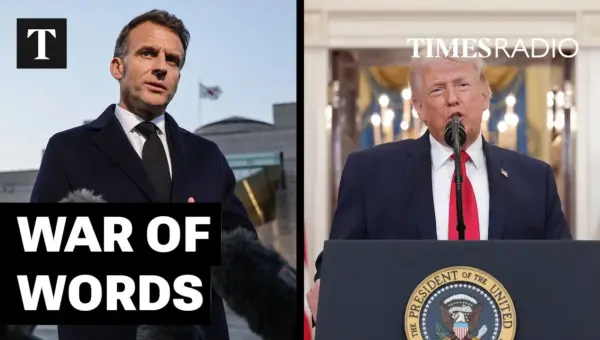
French President Emmanuel Macron publicly condemned Donald Trump's personal remarks about his wife, Brigitte Macron, calling them "neither elegant nor up to standard." The comments, made at a private event and later leaked, sparked debate on diplomatic engagement strategies. While Macron criticized Trump directly, other leaders like Italy's Giorgia Meloni have found success with private, personal diplomacy.

Allies Seek Hormuz Path Without US Military Might
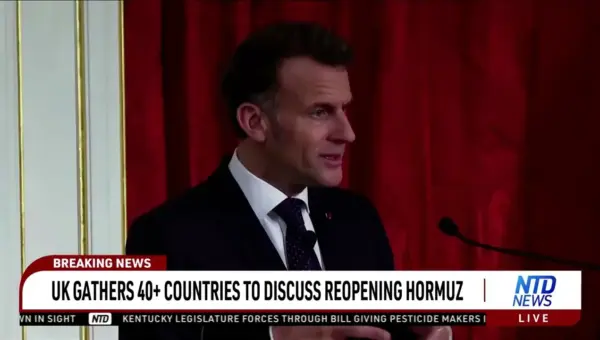
World leaders are discussing ways to keep the vital Strait of Hormuz open for oil transport. The UK is leading talks with over 40 countries, focusing on diplomatic solutions instead of military action. This approach highlights a growing reliance on international cooperation to ensure global economic stability.