China’s Auto Parts: A Security Risk for America?
A new bill proposes to restrict Chinese auto parts and vehicles in the U.S., citing concerns over quality and data security. Experts suggest this could boost American jobs but might also increase costs for consumers. The debate highlights the growing tension between global trade and national interests.

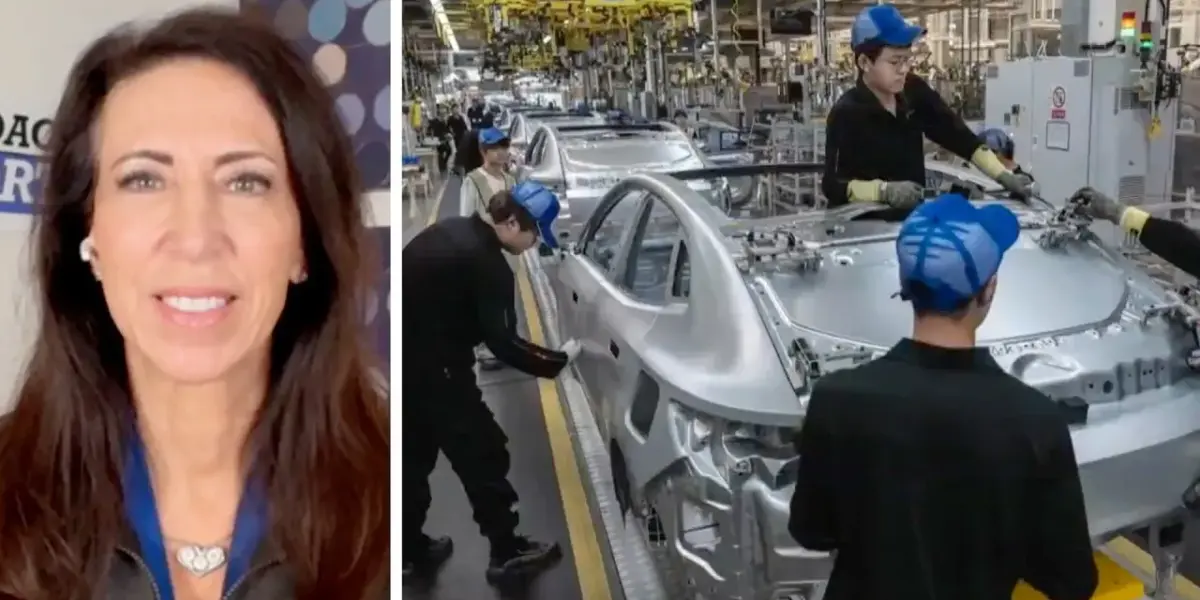
US Considers Stricter Rules on Chinese Auto Parts
New legislation aims to limit Chinese vehicles and parts in the U.S. market. This move, pushed by Senator Bernie Moreno, follows concerns raised by former President Trump about national security and quality. Automotive industry expert Lauren Fix believes this could be good for American manufacturers and consumers.
Why the U.S. Auto Industry Relies on China
Many people might be surprised to learn how much the U.S. auto industry depends on China. It’s not just about the final car; it’s about the parts and the software inside. Even components like chips for screens are often made overseas. This reliance creates potential problems, especially when car owners need repairs and parts aren’t readily available from dealerships. Then, people often turn to aftermarket stores, where the origin and quality of parts are unclear.
Concerns Over Data and Quality
The main worries about Chinese auto parts and software are twofold: data security and product quality. Experts suggest that Chinese vehicles can collect a lot of data. This includes information from your phone through Bluetooth and Wi-Fi, and even data about your home. This is a big concern because the U.S. has strict privacy laws, and other countries, like Germany, also have strong privacy protections. Yet, Chinese cars and technology have been allowed into these markets, potentially hurting local industries and jobs.
There’s also the question of quality, especially for critical parts like brakes. While cheaper parts might save money initially, they could pose a safety risk. The expert emphasizes that quality is crucial for safety, and consumers want the safest parts for their cars. Giving up privacy also comes at a cost, and building cars with American-made components could lead to more jobs and economic strength at home.
Data Collection: A Shared Concern?
Some might ask if American cars also collect data. The answer is yes. Data collection is widespread, from cars to traffic cameras. Car manufacturers say they use this data to improve vehicles. However, there’s a concern that this data, collected by cities, states, and vehicle makers, could be sold. It might end up with telemarketers, insurance companies, or even foreign entities. This raises questions about where our personal information is going and who has access to it.
“Are you willing to give up all this information? And if so, where does that information go? and it’s your information.”
This is why lawmakers are pushing for controls. They want to prevent the use of products that might compromise privacy, offer lower quality, or even allow for remote control of vehicles.
Enforcing a Ban on Components
Banning entire Chinese cars might be difficult, but banning their components could be more straightforward. As parts enter the U.S. through customs, they can be inspected. Similar to how counterfeit goods are seized, Chinese components could be confiscated. Manufacturers would likely seek parts from other countries to avoid these issues. However, there’s a possibility that China might try to find ways around these restrictions, perhaps by shipping parts through other countries first.
Impact on Electric Vehicles and Tesla
The proposed restrictions raise questions about electric vehicles, like Tesla. While Tesla does use some Chinese batteries in other countries, it also has battery plants in the U.S. and uses many American components. In fact, Tesla is noted for using more U.S. parts than many other car brands built in North America. This focus on domestic production could actually benefit companies like Tesla if the goal is to use more local parts.
Even some Chinese brands, like Polestar, are planning to build vehicles in the U.S. using local components. This shift could help them control costs and comply with new regulations. For China to sell cars in the U.S. under new rules, they might need to buy American brands or build factories here, creating jobs for Americans.
Electric vs. Gasoline Cars: A Consumer Choice
With gas prices fluctuating, many consumers are considering electric cars. However, experts advise caution. They suggest that current high gas prices might be temporary due to speculation. For those thinking about buying an electric car solely because of gas prices, it might be wise to wait. Hybrid and plug-in hybrid options offer a middle ground, providing flexibility for consumers.
Why This Matters
This debate over Chinese auto parts touches on several critical issues: economic competitiveness, national security, and consumer privacy. If the U.S. reduces its reliance on Chinese components, it could boost domestic manufacturing and create jobs. However, this might also lead to higher car prices, at least in the short term. The focus on data security highlights growing concerns about how technology is used and where personal information ends up. As the automotive industry evolves with electric and connected vehicles, ensuring the safety and privacy of consumers will be paramount.
Trends and Future Outlook
The trend towards more localized manufacturing and supply chains is likely to continue. Governments worldwide are increasingly scrutinizing the origins of critical components, especially in technology and defense. For the auto industry, this means a potential shift away from globalized production towards more regional or national manufacturing hubs. Companies that can adapt to these changes by building more in the U.S. or other key markets may gain a competitive advantage.
Historical Context
Concerns about foreign manufacturing and trade imbalances are not new. Throughout history, countries have debated the benefits of free trade versus protecting domestic industries. In recent decades, globalization has led to complex supply chains. However, events like the COVID-19 pandemic and geopolitical tensions have highlighted the risks of over-reliance on single sources for essential goods. This has prompted a reevaluation of trade policies and a push for greater self-sufficiency in key sectors like automotive manufacturing.
Source: Bill to Ban Chinese Car Parts Good for Quality and Security: Analyst (YouTube)

Related Articles


Tariffs Cost Trillions: How Markets Recovered
Sweeping tariffs initially wiped out $2.4 trillion in market value, but a swift rebound followed. Companies now grapple with rising costs, with consumers ultimately bearing the brunt through higher prices.


China Benefits as Iran Conflict Disrupts Global Oil
China is emerging as a potential winner from the ongoing conflict in the Middle East, largely due to its strategic energy reserves and diverse power sources. While global oil prices surge, China's economy remains relatively shielded, allowing it to pursue its geopolitical goals and test the global reach of its currency.


Trump Reveals Secret Bunker Plans, Compromises Security
A federal judge has halted construction on a White House ballroom project, a decision Donald Trump appears to have misunderstood. In his defense, Trump inadvertently revealed details about an underground security bunker, raising national security concerns. The ruling underscores the president's role as a steward, not owner, of federal property.