Iran Faces Limited Options as Strait of Hormuz Stays Open
Iran's ability to disrupt global oil markets by closing the Strait of Hormuz appears increasingly limited. International military presence and surveillance are keeping the vital shipping lane open, frustrating Iran's strategy to inflict economic pain. While short-term disruptions are possible, long-term control by Iran is deemed unlikely.

Iran’s Options Narrow as Key Shipping Lane Remains Open
Recent analysis suggests Iran is running out of options to disrupt global oil markets, particularly concerning the vital Strait of Hormuz. Despite its efforts, Iran has failed to completely close this critical waterway, which is essential for global trade. The ongoing military operations and surveillance by the U.S. and its allies are proving effective in keeping the strait open for traffic.
Strait of Hormuz: A Critical Global Chokepoint
The Strait of Hormuz is a narrow sea passage connecting the Persian Gulf to the Gulf of Oman. It is one of the world’s most important oil transit points, with a significant portion of the world’s oil passing through it daily. Any disruption here can have a major impact on global energy prices and the world economy.
Reports indicate that Iran has focused on developing underground storage for cruise missiles and drone capabilities. While Central Command is working to neutralize these threats, Iran’s ability to significantly impact shipping has been curtailed. The U.S. maintains strong overwater surveillance and has naval assets in the region, supported by the Space Force, which provides a comprehensive view of the area.
Iran’s ‘Pain Points’ Strategy Falters
Last week, charts highlighted Iran’s strategy to create ‘pain points’ by threatening to close the Strait of Hormuz. The idea was that if Iran could inflict enough economic pain, it could force concessions. However, this strategy appears to be failing. Even if other nations joined Iran, the longer such a disruption lasted, the less effective it would become.
The transcript notes that Iran cannot close the strait, as evidenced by continued traffic flow. While there have been isolated incidents, such as a missile strike on an Israeli tanker, these have not led to a sustained closure. European allies, along with destroyers from countries like South Korea, have been actively helping to keep passages like the Red Sea open. These combined efforts mean Iran has limited leverage.
Economic Ramifications and Tollbooth Tactics
The economic implications of Iran controlling the Strait of Hormuz would be severe. Experts suggest Iran might try to impose tolls, demanding payments in foreign currency from ships passing through. This ‘tollbooth’ scenario is seen as unsustainable in the long term. While some transits to India and China have occurred, and empty vessels have returned, Iran’s ability to control the strait long-term is highly doubtful.
The article mentions payments from China to Iran, which may influence how certain ships are treated. However, the overall volume of harassment Iran can exert appears limited, and ships are generally getting through. The economic impact of a prolonged closure would be devastating, potentially pushing the global economy toward a recession.
Regime Stability and Escape Routes
Discussions also touched upon the concept of regime change and the importance of providing an ‘escape route’ for adversaries. Experts suggest that cornering a regime can lead to desperate and violent actions. The question remains whether the current Iranian regime, or what’s left of it, has such an option or is destined to fight until it collapses.
There are indications of background negotiations, with former President Trump seeking a leader in Iran with whom he can deal. The ongoing military operations, referred to as ‘Operation Epic,’ aim to degrade Iran’s military capabilities. This includes reducing its ability to strike infrastructure in Gulf states and Europe and preventing it from rebuilding its arsenal. Maintaining open airspace and preventing Iran from rearming are key security objectives for the U.S.
Operational Timelines and Progress
The pressure for swift resolutions in international conflicts is high, especially from the American public. While major wars can last years, military operations like ‘Operation Epic’ are designed for much shorter timelines, potentially around 31 to 33 days. The current campaign has seen significant progress in just over a month.
The article highlights that major targets can be addressed within short operational windows. Tremendous progress has been made in 33 days of operations, with great results attributed to the carriers, bombers, fighters, and the approximately 50,000 American service members involved in Central Command.
Market Impact
The ability of Iran to disrupt oil flow through the Strait of Hormuz has direct implications for global energy markets. A sustained disruption could lead to higher oil prices and contribute to inflationary pressures worldwide. However, the current assessment suggests Iran’s capacity to cause such a disruption is limited. The continued flow of oil, coupled with international efforts to maintain open shipping lanes, reduces the immediate risk of a significant oil price shock originating from this specific geopolitical flashpoint. Investors should monitor geopolitical developments in the region, as any escalation could still impact energy prices and related markets.
What Investors Should Know
For investors, the situation underscores the importance of geopolitical risk in energy markets. While Iran’s influence appears contained for now, the potential for disruption remains a factor. The success of international coalitions in keeping the Strait of Hormuz open is a positive sign for market stability. However, the underlying tensions and Iran’s military capabilities mean that vigilance is necessary. Investors should consider how global energy supply dynamics are affected by geopolitical events and maintain diversified portfolios to mitigate risks associated with such uncertainties.
Source: This gives the US a 'LOT OF OPTIONS' in Iran, expert reveals (YouTube)

Related Articles

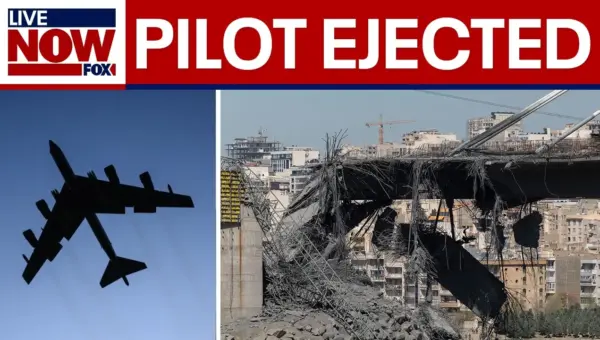
Iran Claims US Pilot Ejected; US Silent Amid Escalating Tensions
Iran claims a U.S. pilot ejected from a fighter jet over its territory, offering a reward for capture. The U.S. has not confirmed the report amid escalating regional tensions. Military experts discuss the strategic implications of U.S. strikes and the potential for internal change in Iran.


US Pilot Feared Lost in Iran; Search Underway
The U.S. military is conducting a search operation inside Iran for an American pilot whose fighter jet may have been downed. Details are limited, with uncertainty over whether the plane was shot down or suffered mechanical failure. The operation highlights the complexities of rescue missions in hostile territory and occurs amid heightened regional tensions.


US Policy Shift Stuns Allies, Weakens Global Security
US policy shifts regarding Ukraine, the Strait of Hormuz, and NATO are raising concerns among allies and creating global instability. Critics point to a lack of strategic planning and diplomatic consultation, potentially emboldening adversaries and undermining international security.