Allies Seek Hormuz Path Without US Military Might
World leaders are discussing ways to keep the vital Strait of Hormuz open for oil transport. The UK is leading talks with over 40 countries, focusing on diplomatic solutions instead of military action. This approach highlights a growing reliance on international cooperation to ensure global economic stability.

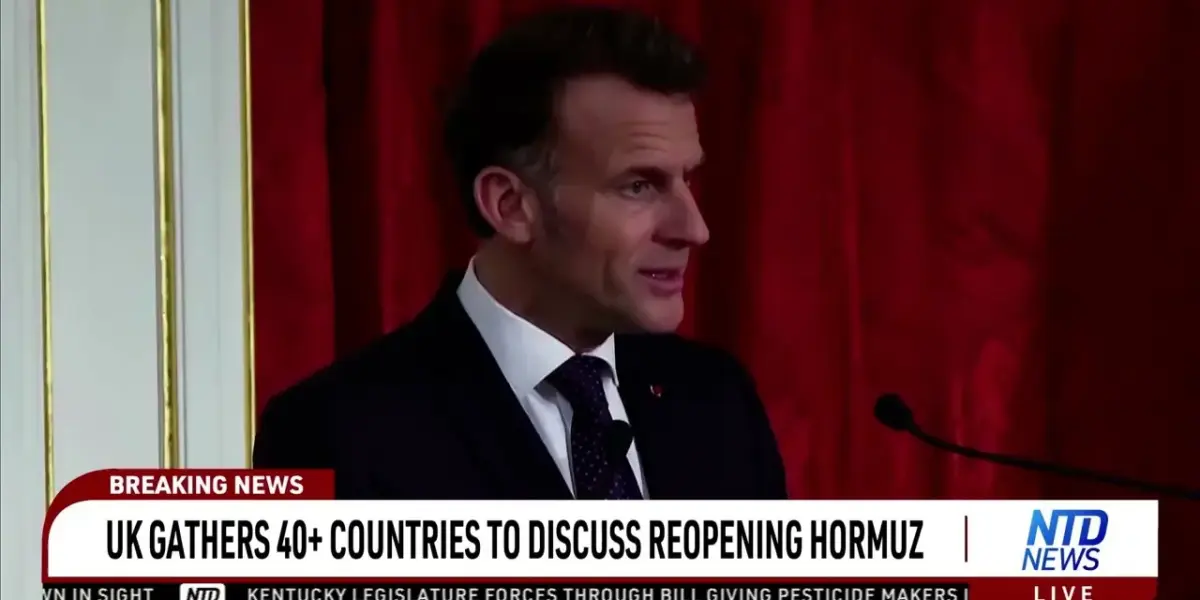
Allies Seek Hormuz Path Without US Military Might
World leaders are looking for ways to keep a vital shipping lane open, even as the United States steps back from direct military involvement. The Strait of Hormuz, a narrow waterway crucial for oil transport, has become a focal point for international concern. The United Kingdom is leading efforts to find a solution, bringing together over 40 nations for a virtual meeting. This gathering includes diplomats from major countries like France, Germany, Canada, the United Arab Emirates, and India. Notably, the United States is not participating in these specific talks.
British Foreign Secretary Yvette Cooper is hosting these discussions. She stated that the participating countries are committed to reopening the Strait. However, their focus is on political and diplomatic solutions, not military action. This approach signals a desire for de-escalation and peaceful resolution.
Diplomacy Over Force
French President Emmanuel Macron echoed this sentiment, calling military intervention unrealistic. He believes that opening the Strait can only happen through negotiation. This would likely follow a ceasefire, suggesting a path that prioritizes peace talks over confrontation. Macron’s stance highlights a growing international preference for dialogue in resolving such sensitive geopolitical issues.
The importance of the Strait of Hormuz cannot be overstated. It is a chokepoint where a significant portion of the world’s oil supply passes daily. Any disruption here can send shockwaves through the global economy, leading to higher energy prices and instability. Historically, the region has seen periods of heightened tension, making the security of this waterway a constant concern for global trade.
Broader Discussions Ahead
Further discussions are planned for next week. Both the G7 nations and the Gulf Cooperation Council countries will convene to address the situation in Hormuz. These meetings are expected to build on the initial talks and explore concrete steps for ensuring the Strait’s continued openness. The involvement of these key economic and political blocs underscores the seriousness with which the international community is treating this issue.
Meanwhile, Russia has taken a step that could impact global energy markets. The country announced a ban on gasoline exports by its producers. This move may be intended to secure domestic supply or could be a response to broader geopolitical shifts. It adds another layer of complexity to the already sensitive energy situation.
Why This Matters
The situation around the Strait of Hormuz directly affects the global economy. When shipping lanes are threatened, oil prices can spike. This makes everything more expensive for consumers, from gasoline at the pump to the cost of goods transported by sea. The current diplomatic push, led by allies and excluding direct US military involvement, signifies a potential shift in how such international crises are handled. It suggests a growing reliance on collective diplomacy rather than unilateral military action.
Implications and Future Outlook
The trend towards diplomatic solutions is a positive sign for global stability. If allies can successfully negotiate passage through the Strait of Hormuz, it would demonstrate the power of international cooperation. This could set a precedent for resolving future conflicts. However, the underlying tensions that lead to these threats remain. The future outlook depends on the willingness of all parties to engage in good faith negotiations and uphold international maritime laws.
The exclusion of the US from these initial talks is also significant. It may indicate a desire by allies to pursue a path less confrontational than what the US might otherwise advocate. This could lead to a more nuanced and perhaps more sustainable resolution. The world is watching to see if diplomacy can indeed prevail where military threats have often failed.
Historical Context
The Strait of Hormuz has been a strategic point for centuries. Its control has been vital for trade and military power. In recent history, tensions have flared up periodically, often related to regional conflicts and the flow of oil. Past incidents have led to increased naval presence and international efforts to ensure freedom of navigation. This current situation is part of a long and complex history of managing this critical global chokepoint.
The decision by allies to discuss securing the Strait without the immediate threat of US military intervention is a notable development. It reflects a maturing of international relations, where collective action and diplomatic pressure are increasingly seen as potent tools. The success of these talks will be a key indicator of the effectiveness of this approach in the years to come.
Source: Oil Prices Surge, Allies Discuss Securing Hormuz After Trump Vows to Step up Iran Attacks (YouTube)

Related Articles


US Pilot Feared Lost in Iran; Search Underway
The U.S. military is conducting a search operation inside Iran for an American pilot whose fighter jet may have been downed. Details are limited, with uncertainty over whether the plane was shot down or suffered mechanical failure. The operation highlights the complexities of rescue missions in hostile territory and occurs amid heightened regional tensions.

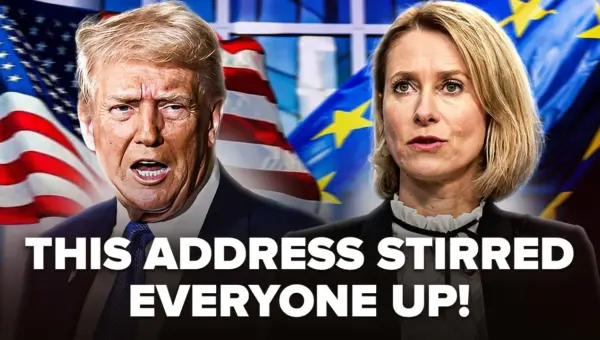
US Policy Shift Stuns Allies, Weakens Global Security
US policy shifts regarding Ukraine, the Strait of Hormuz, and NATO are raising concerns among allies and creating global instability. Critics point to a lack of strategic planning and diplomatic consultation, potentially emboldening adversaries and undermining international security.
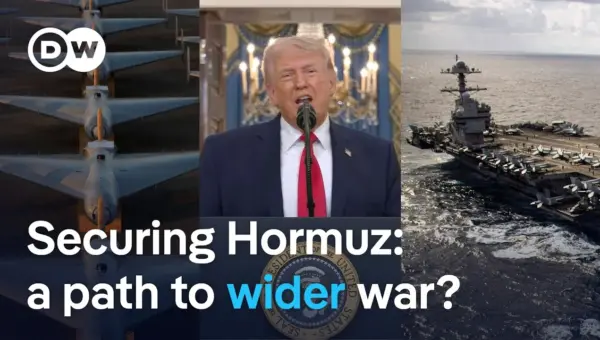
Strait of Hormuz Tensions Risk Wider Middle East War
Efforts to secure the vital Strait of Hormuz risk triggering a wider Middle East war, according to UN warnings and security analysts. The narrow waterway is crucial for global trade, and forcing it open against Iran's objections could escalate regional tensions dramatically. Experts highlight the complex geography, Iran's remaining military capabilities, and the involvement of regional players as key factors in the volatile situation.