US Weighs NATO Future Amidst Global Security Shifts
The U.S. is reportedly re-evaluating its commitment to NATO, with "everything on the table" regarding alliance contributions. Experts warn that leaving the current Iranian regime in power poses a "disastrous outcome" for global security and stability.

US Considers NATO’s Role as Allies Urged to Step Up
President Trump is reportedly considering significant changes to the United States’ involvement in the North Atlantic Treaty Organization (NATO), a cornerstone of Western defense for over 70 years. A close associate of the President indicated that “everything is on the table” regarding the U.S. commitment to the alliance. This suggests a potential re-evaluation of the benefits the U.S. derives from NATO and a call for allies to increase their contributions.
The U.S. has not benefited enough, according to this perspective. The alliance needs to be a “two-way street.” The time is now for NATO members to explain their value to the United States. This signals a period of intense scrutiny for the 31-member alliance, potentially impacting its future structure and operational focus.
NATO’s Strategic Importance and U.S. Interests
Despite the ongoing review, NATO’s function remains crucial for U.S. interests. The alliance serves as a vital platform for the defense of Europe and provides essential bases for deploying U.S. forces globally. For instance, these bases are currently used for operations in the Persian Gulf. This access is critical for projecting U.S. power and maintaining stability in key regions.
Furthermore, NATO ensures the safety and prosperity of major trading partners and significant investors in the U.S. economy. This interconnectedness means that the economic well-being of these allied nations directly supports U.S. economic health. A functioning NATO is therefore seen as a mutually beneficial arrangement, fostering global security and economic cooperation.
Concerns Over Turkey’s Regional Role
A recent report has highlighted concerns regarding Turkey’s expanding influence in the Middle East. The report suggests that Turkey’s president is deepening ties with groups like the Muslim Brotherhood and shielding certain organizations from international scrutiny. This development has raised questions about Turkey’s alignment with NATO objectives and its broader regional strategy.
However, there are also perspectives that acknowledge Turkey’s complex role. While differences exist, Turkey plays a significant part in regional stability. It contributes to governance in Syria and acts as a buffer against Iranian influence. Shared interests in energy exploration in the Eastern Mediterranean also present opportunities for cooperation.
Despite these areas of potential friction, Turkey’s commitment to NATO is noted. The belief is that the U.S. can work through existing differences with Turkey, given their shared commitment to the alliance and common strategic goals in the region. Finding common ground remains a key objective.
Iran’s Regime Poses a ‘Disastrous Outcome’ Risk
Experts are warning that potential ceasefire negotiations with Iran may prove ineffective. The core issue lies in identifying who truly holds power within the Iranian regime. It is unclear who can genuinely speak for the government and what their decisions will mean for international agreements.
There appears to be a fundamental choice facing global powers regarding Iran. One path involves empowering the Iranian people to potentially change their own government. The alternative is to engage in negotiations with the current regime over future security arrangements in the Persian Gulf. This latter option is viewed with significant skepticism.
Leaving the current Iranian regime in place is described as a “disastrous outcome.” The concern is that the regime, if left unchecked, could pursue nuclear weapons, hold international shipping hostage, and continue to threaten Gulf states. Despite intentions to avoid deeper involvement, the reality of dealing with the existing power structure presents a difficult challenge. The question remains: if not now, then when will these critical issues be addressed?
Market Impact
The ongoing discussions surrounding NATO’s future and potential shifts in U.S. foreign policy could introduce market volatility. Uncertainty regarding alliances and geopolitical stability often leads to increased caution among investors. Sectors tied to defense spending and international trade may experience fluctuations based on these developments.
Similarly, tensions or diplomatic breakthroughs involving Iran can impact global energy markets. Oil prices, in particular, are sensitive to developments in the Persian Gulf region. Investors will be closely monitoring these geopolitical events for their potential economic repercussions.
What Investors Should Know
Investors should stay informed about the evolving U.S. stance on NATO and its implications for European security. Changes in defense commitments could affect multinational corporations and global supply chains. Understanding these shifts is crucial for assessing long-term investment risks and opportunities.
Regarding Iran, any significant developments in negotiations or escalations of regional tensions could influence energy prices and broader market sentiment. Diversified portfolios may offer a buffer against sector-specific impacts arising from these geopolitical events. Prudent risk management will be key in navigating these complex global dynamics.
Source: Leaving Iranian regime in place would have a 'DISASTEROUS OUTCOME,' ex-NATO ambassador warns (YouTube)

Related Articles
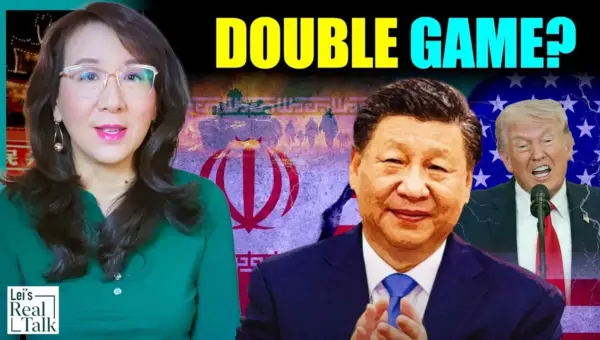
China’s Iran Gambit: A Risky Game of Two Faces
China's public calls for peace in the Iran conflict mask a private strategy of buying discounted oil, reports suggest. This "double game" now risks China's economy through rising oil prices and supply chain stress, potentially costing billions.

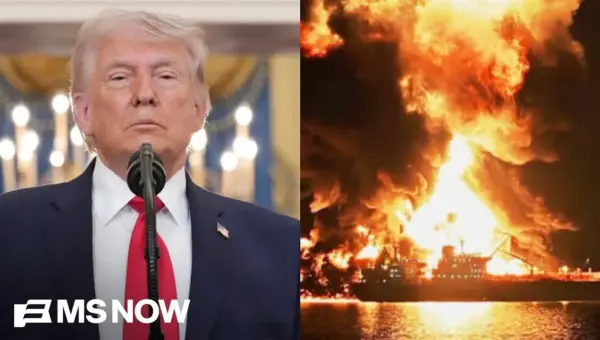
Trump’s Iran Strategy Falters, Sparking Global Oil Pain
President Trump's recent speech defending his administration's actions in Iran has drawn widespread criticism for its lack of clarity and strategic direction. The address coincided with growing global concerns over oil prices and potential energy crises, as international diplomats met to address the Strait of Hormuz while the U.S. was absent. Domestic polls also show a significant disapproval of Trump's handling of the conflict.

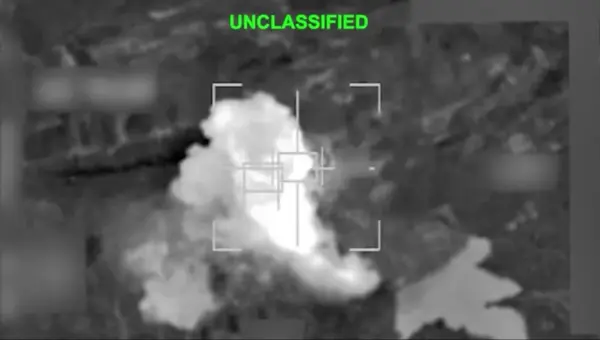
US Strikes Iran Hard: Is the War Shifting?
The US has significantly increased its military strikes against Iran, hitting over 12,300 targets. This action appears to be reducing Iran's attacks, but Tehran vows to continue supporting its regional allies. Meanwhile, President Trump's questioning of NATO adds another layer of global uncertainty.