Trump’s Iran Strategy Falters, Sparking Global Oil Pain
President Trump's recent speech defending his administration's actions in Iran has drawn widespread criticism for its lack of clarity and strategic direction. The address coincided with growing global concerns over oil prices and potential energy crises, as international diplomats met to address the Strait of Hormuz while the U.S. was absent. Domestic polls also show a significant disapproval of Trump's handling of the conflict.

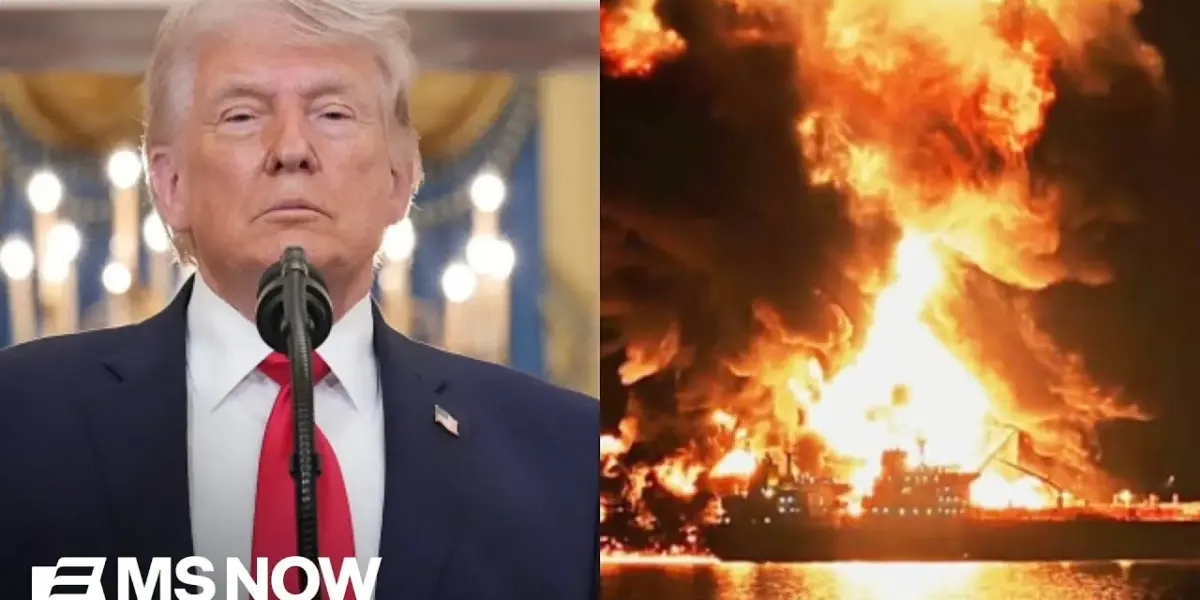
Trump’s Iran Speech Draws Criticism Amidst Global Concerns
President Donald Trump’s recent address defending his administration’s actions in Iran has faced significant backlash, with critics arguing his strategy lacks clarity and is leading to negative consequences both at home and abroad. The speech, intended to justify military engagement, instead fueled concerns over escalating tensions and economic instability, particularly regarding global oil supplies.
Conservative Media Questions Trump’s Case for Conflict
Following President Trump’s primetime speech, prominent conservative publication National Review issued a sharp critique, stating that “Trump’s speech didn’t make the case” for armed conflict with Iran. Similarly, The New York Times pointed out the president’s “failure to define a clear path out of the conflict was determinative,” highlighting a lack of strategic direction.
Economic Fallout: Oil Prices and Stock Market Volatility
The economic repercussions were swift and noticeable. The Wall Street Journal reported volatility in both oil and stock markets following the address. President Trump’s assertion that the Strait of Hormuz would open “naturally” and that gas prices would “rapidly come back down” was met with skepticism. This optimism was not shared by many nations, as diplomats from over 40 countries convened to discuss plans for reopening the vital shipping lane, a meeting the United States did not attend.
Threats Against Civilian Infrastructure Draw Condemnation
Adding to the controversy, President Trump reiterated threats to attack Iran’s civilian infrastructure, including “electric generating plants.” He stated, “if there is no deal, we are going to hit each and every one of their electric generating plants and, quote, we’re going to bring them back to the stone ages where they belong.” Such threats have been widely condemned as potential war crimes. In a further escalation, Trump later posted a video of a strike on a bridge near Tehran with the caption, “Much more to follow.”
Analysis: A Strategy in Disarray?
Paul Rickoff, a national security and political analyst, described the situation as a “total debacle.” He noted that Trump’s speech was a “nothing burger” that failed to make any significant news or clarify the situation. Rickoff observed that the president appeared “old, tired, meandering and unfocused,” a stark contrast to his usual assertive style. The analyst suggested this might indicate desperation as the administration loses control of the narrative surrounding the conflict.
“The world can see that he is not only failed to rally the world and failed to put forward clear objectives, he’s losing control of the story. I think that’s where you see some desperation.”
Global Isolation and a Widening Energy Crisis
The international community’s response to the crisis highlights a shift in global dynamics. While over 40 nations met to address the Strait of Hormuz issue, the U.S. was notably absent. Rickoff described this as a “new normal where America is not necessarily calling the shots.” He suggested that the U.S. is becoming increasingly isolated, with allies taking independent actions to manage the growing energy crisis. This global cooperation without U.S. leadership underscores concerns about America’s diminished influence in international affairs.
Domestic Discontent and Shifting Public Opinion
Domestically, public opinion appears to be turning against the president’s Iran policy. New polling indicates that Americans disapprove of Trump’s handling of the war by a two-to-one margin. Rickoff likened the situation to “Hurricane Katrina” or “Afghanistan” for Trump, suggesting it could be a defining moment where his base begins to “give up.” The analyst pointed out that a significant portion of the country is now united in opposing the Iran war, a rare moment of consensus.
Uncertain Future: The Path Forward
The administration’s objectives in Iran remain unclear, and critics argue that Trump’s strategy has not achieved its stated goals. Iran’s regime remains in place, its enriched uranium stockpile persists, and access to the Strait of Hormuz continues to be restricted. As the conflict evolves, questions linger about whether the president will seek de-escalation or further military action. The ongoing global energy crisis and increasing international isolation suggest that the path forward will be fraught with challenges for the Trump administration.
Source: ‘Warmonger’ Trump spirals as 'mangled' Iran endgame triggers pain at the pump & repels MAGA (YouTube)

Related Articles
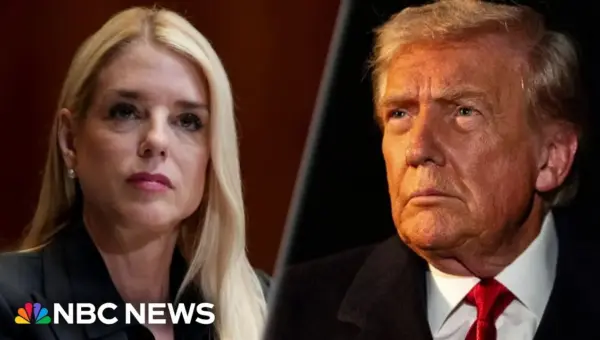
Trump Fires Pam Bondi as AG Amid Epstein, Adversary Concerns
President Trump has fired Attorney General Pam Bondi, citing frustration over her handling of investigations like the Jeffrey Epstein case and the prosecution of perceived political enemies. Bondi's deputy, Todd Blanche, who previously served as Trump's personal lawyer, will take over as interim AG.
Trump Signals More Iran Action; Bondi Out as AG
President Trump issued a strong warning to Iran after the U.S. destroyed a major bridge, signaling further action. Meanwhile, Pam Bondi is out as Attorney General, with Todd Blanche stepping in as acting AG. New tariffs were also announced on steel, aluminum, and copper.
Tiger Woods Called Trump After Crash, Seeking ‘Daddy’s’ Help
Tiger Woods' immediate call to then-President Donald Trump after a near-fatal car crash and DUI arrest has sparked debate. The incident suggests a perception that powerful connections could offer a 'get out of jail free' card, raising questions about influence and the rule of law.