Trump’s White House Faces Multiple Crises: A Day of Chaos
The Trump administration faced a tumultuous day marked by the firing of Attorney General Pam Bondi, questions about military leadership, a chaotic national address concerning Iran, and a weak legal showing at the Supreme Court on birthright citizenship. These events highlight significant instability and raise concerns about the White House's strategy and competence.


Trump Administration Grapples with Storm of Scandals
The Trump administration recently faced a series of serious challenges, painting a picture of a White House under immense pressure. From personnel shake-ups to international tensions and legal battles, the events of April 2nd, 2026, as discussed by MeidasTouch, highlighted significant instability. These issues, ranging from the firing of a key cabinet member to a chaotic presidential address, raised questions about leadership and strategy at the highest levels of government.
Attorney General Fired Amidst Controversy
One major development was the sudden firing of Attorney General Pam Bondi. The MeidasTouch podcast described her tenure as “disastrous” and pointed to a supposed cover-up related to the Epstein files. Following her dismissal, Republicans reportedly moved quickly to block her testimony. This suggests that her departure was not a simple personnel change but was tied to deeper, potentially damaging information that some wished to keep hidden from public view.
Military Leadership Questioned
Adding to the sense of turmoil, Pete Hegseth took an action that forced Army Chief of Staff Gen. Randy George into immediate retirement. This move, particularly concerning military leadership, sparked worries about instability within the armed forces. Such actions at the top of the military structure can create uncertainty and affect morale, especially during times of international concern.
Chaotic National Address Rattles Markets
President Trump’s national address on this day was also a focal point. Described as “chaotic,” the speech apparently rattled financial markets and caused oil prices to surge. The report suggests the White House lacked a clear strategy, particularly concerning the escalating conflict with Iran. This lack of a defined plan was made worse by Trump’s order to strike an Iranian bridge, which led to strong threats and public criticism from Iran.
Imagine a captain steering a ship through a storm without a map or a clear destination. That’s how this situation felt to some observers. The order to strike a bridge, a seemingly aggressive move, was met with fierce responses, showing a dangerous escalation without a clear endgame. This kind of unpredictable action can have serious consequences on a global scale.
Supreme Court Scrutiny on Birthright Citizenship
The administration also faced a tough day at the Supreme Court. During oral arguments concerning birthright citizenship, the government’s legal arguments appeared to falter under questioning. This suggested that the administration’s position on a fundamental aspect of citizenship was weak and possibly unsustainable. Losing a case like this could have wide-reaching implications for who is considered a citizen in the United States.
Why This Matters
These events, when viewed together, paint a concerning picture. The firing of a top official linked to potential cover-ups, instability in military command, a foreign policy speech that destabilizes markets, and a weak legal stance on citizenship all point to a White House struggling to maintain control and project stability. This is not just about headlines; it affects national security, economic confidence, and the very definition of American citizenship. When leaders appear uncertain or their actions seem erratic, it can erode trust both at home and abroad.
Historical Context and Trends
The issues discussed echo patterns seen in previous administrations where internal conflict and external pressures created significant challenges. Historically, periods of political upheaval often coincide with economic uncertainty and increased international tensions. The focus on the Epstein files, for instance, brings up the ongoing public interest in accountability for powerful individuals. The debate over birthright citizenship also has deep historical roots, touching on issues of immigration and national identity that have been debated for centuries. The way a government handles these complex issues can set precedents for years to come.
Implications and Future Outlook
The immediate implication of these events is a potential loss of confidence in the administration’s ability to govern effectively. For the markets, this translates to increased volatility and uncertainty. On the international stage, a perceived lack of clear strategy could embolden adversaries and alienate allies. Looking ahead, the administration will need to demonstrate a more cohesive and predictable approach to policy-making and crisis management. The legal challenges, particularly at the Supreme Court, could lead to significant changes in policy depending on the rulings. The public’s perception of stability and competence will likely be a key factor in future political outcomes.
The coming months will be crucial in determining whether the administration can regain its footing or if these crises will continue to mount. The ability to effectively address these multifaceted challenges will be a true test of its leadership and resilience.
Source: LIVE: MeidasTouch RESPONDS to MAJOR BREAKING NEWS – 4/2/26 (YouTube)

Related Articles

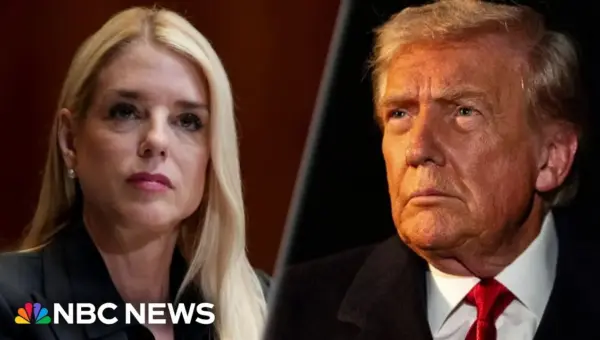
Trump Fires Pam Bondi as AG Amid Epstein, Adversary Concerns
President Trump has fired Attorney General Pam Bondi, citing frustration over her handling of investigations like the Jeffrey Epstein case and the prosecution of perceived political enemies. Bondi's deputy, Todd Blanche, who previously served as Trump's personal lawyer, will take over as interim AG.

Trump Fires Attorney General Pam Bondi in Cabinet Shakeup
President Trump has fired Attorney General Pam Bondi, citing mounting frustration over her handling of key cases, including the Jeffrey Epstein files. Deputy Attorney General Todd Blanche will step in as acting Attorney General. Bondi's dismissal follows criticism regarding investigations into political opponents and public statements.

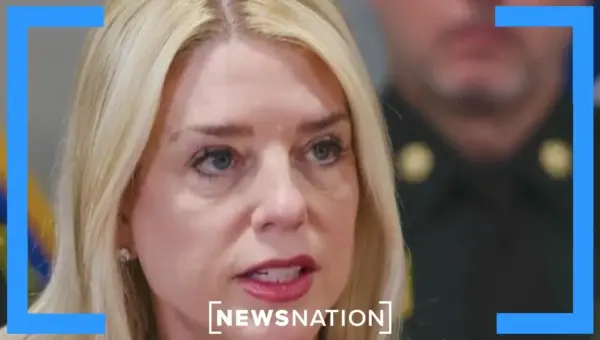
Trump Replaces Bondi, Shifting AG Role to Legal Focus
Pam Bondi has been replaced as Attorney General, with Geraldo Rivera suggesting her tenure became too political. President Trump has appointed Todd Blanche, seen as a more legally focused choice, signaling a shift in the office's priorities. This move aims to separate legal duties from political maneuvering.