China Exploits Birthright Citizenship for American Dreams
Wealthy Chinese nationals are using U.S. surrogates to gain American citizenship for their children, raising national security and election influence concerns. The practice exploits birthright citizenship, a policy now under renewed debate.

China Exploits Birthright Citizenship for American Dreams
The idea of being an American citizen is a powerful draw for many people around the world. For some wealthy individuals in China, the path to this dream involves a controversial practice: using U.S. surrogates to have children who are automatically granted American citizenship. This practice, often called “birth tourism,” has led to concerns that it could be exploited by foreign powers, particularly China, to influence American elections and national security.
Birthright Citizenship Under Fire
The U.S. Supreme Court recently heard arguments about ending birthright citizenship, a policy that grants citizenship to almost anyone born on American soil. President Trump has supported ending this policy, arguing that people not subject to U.S. laws should not automatically gain citizenship. The administration’s view is that children born in the U.S. but raised elsewhere, like China, should not become American citizens and later vote in U.S. elections.
China’s Surrogacy Boom
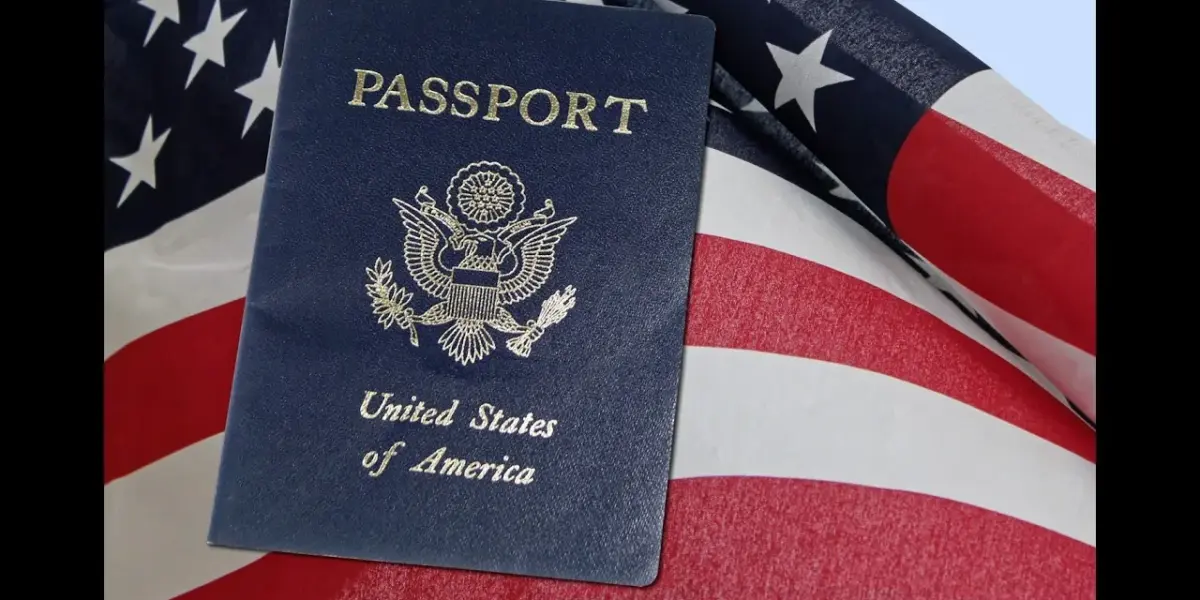
The focus on China isn’t random. Studies show that over 40% of surrogates in the U.S. are hired by clients from China. Surrogacy is illegal in China, pushing wealthy Chinese citizens to seek services in the United States, where it is legal in some states. Once a child is born in the U.S., they automatically receive a U.S. passport. This passport can later help their parents immigrate to the United States.
Chinese websites actively promote this type of “birth tourism,” attracting many clients. According to Katie Frost, a Republican strategist, there are over 100 Chinese-owned surrogacy agencies just in Southern California. She believes this practice is an abuse of a system originally designed for equality.
“Now it’s being abused where people who arguably are are enemies are using it to exploit the system. And now we will have children who are raised in communist China who are members of the Chinese Communist Party also happen to be American citizens. That’s abusing the system and it needs to change.”
High-Profile Cases Raise Red Flags
Some cases highlight the potential issues. One Chinese billionaire reportedly has over 100 children, aiming for at least 20 sons through American surrogates to inherit his business in China. Another wealthy Chinese businessman had 10 daughters via U.S. surrogacy, with the stated goal of building a political network by marrying them into influential families.
Senators have voiced their concerns in a letter to the Attorney General. They worry that these children, who may be raised in China and influenced by its government, could eventually vote in American elections, hold sensitive jobs, or otherwise help China’s interests.
National Security and Election Concerns
The potential impact on American elections is a serious worry. This situation is also being viewed as a national security issue. Most countries worldwide, including China, do not offer birthright citizenship.
Why This Matters
The debate over birthright citizenship touches on fundamental questions about who belongs to a nation and how citizenship is granted. While the U.S. has a long tradition of birthright citizenship, stemming from efforts to ensure equality after the Civil War, this practice is now facing scrutiny. The fact that foreign nationals, particularly from countries with different political systems and potential rivalries, are using this pathway raises significant policy questions.
The core issue is the potential for foreign influence. If children born in the U.S. to non-citizen parents are raised abroad, especially in environments influenced by foreign governments, their future access to American citizenship and its rights could pose risks. These risks include potential impacts on election outcomes and national security. The U.S. government is grappling with how to address these concerns without undermining long-held principles of citizenship.
Implications, Trends, and Future Outlook
The trend of wealthy individuals from countries where surrogacy is restricted seeking services in the U.S. is likely to continue as long as the demand exists and the legal pathways remain open. This practice highlights a global disparity in reproductive services and wealth. The future outlook involves a continued push and pull between traditional U.S. immigration and citizenship policies and new challenges posed by globalization and economic disparities.
Any changes to birthright citizenship laws would have significant legal and social consequences. It could also affect the U.S.’s image as a welcoming nation. Meanwhile, other countries are watching closely, as many grapple with their own immigration and citizenship rules. The situation demands careful consideration of national interests, ethical practices, and the very definition of American identity.
Historical Context
Birthright citizenship in the United States is largely based on the 14th Amendment to the Constitution, ratified after the Civil War. Its original purpose was to ensure that formerly enslaved people and their descendants were recognized as full citizens. For over a century, it has been a cornerstone of American identity, ensuring that children born on U.S. soil are citizens, regardless of their parents’ status. However, interpretations and debates about its application, especially concerning the children of undocumented immigrants, have resurfaced periodically. This current discussion, focusing on foreign nationals and national security, represents a new chapter in this ongoing conversation.
Source: China’s ‘American Dream’ Through US Surrogates (YouTube)

Related Articles

China’s Influence Reaches U.S. Amidst Political Shake-Ups
Pam Bondi's exit as Florida's Attorney General signals a political shift, while a fake bomb threat from China highlights global interference tactics. These events underscore the growing need for vigilance against foreign disinformation and cyber threats in an interconnected world.


Judges Block Trump’s Orders, Undermining His Authority
Federal judges have blocked several key Trump administration initiatives, including efforts to defund public media and end birthright citizenship. These rulings, some from Trump appointees, highlight the judiciary's role as a check on executive power and question the administration's legal strategies.

Border Vetting Loopholes Expose Security Gaps
A former Border Patrol chief reveals that the vetting process for individuals entering the U.S. may not be as thorough as claimed. Biometric data collection and intelligence reviews were standard, but instances of delayed identification and rapid releases raise security concerns. This highlights the tension between border security needs and processing demands.