Trump Signals More Iran Action; Bondi Out as AG
President Trump issued a strong warning to Iran after the U.S. destroyed a major bridge, signaling further action. Meanwhile, Pam Bondi is out as Attorney General, with Todd Blanche stepping in as acting AG. New tariffs were also announced on steel, aluminum, and copper.

Trump Issues Stern Warning to Iran After Bridge Destruction
President Trump delivered a strong warning to Iran on April 2nd, stating that more actions would follow. This declaration came shortly after the United States destroyed what was described as the Middle East’s largest bridge. This event follows President Trump’s recent primetime address to the nation, detailing the progress of ‘Operation Epic Fury’. The specific details of the bridge destruction and its strategic implications are not fully elaborated in the provided information, but the president’s words suggest a significant escalation or continuation of U.S. policy towards Iran.
Pam Bondi Departs as Attorney General, Todd Blanche Steps In
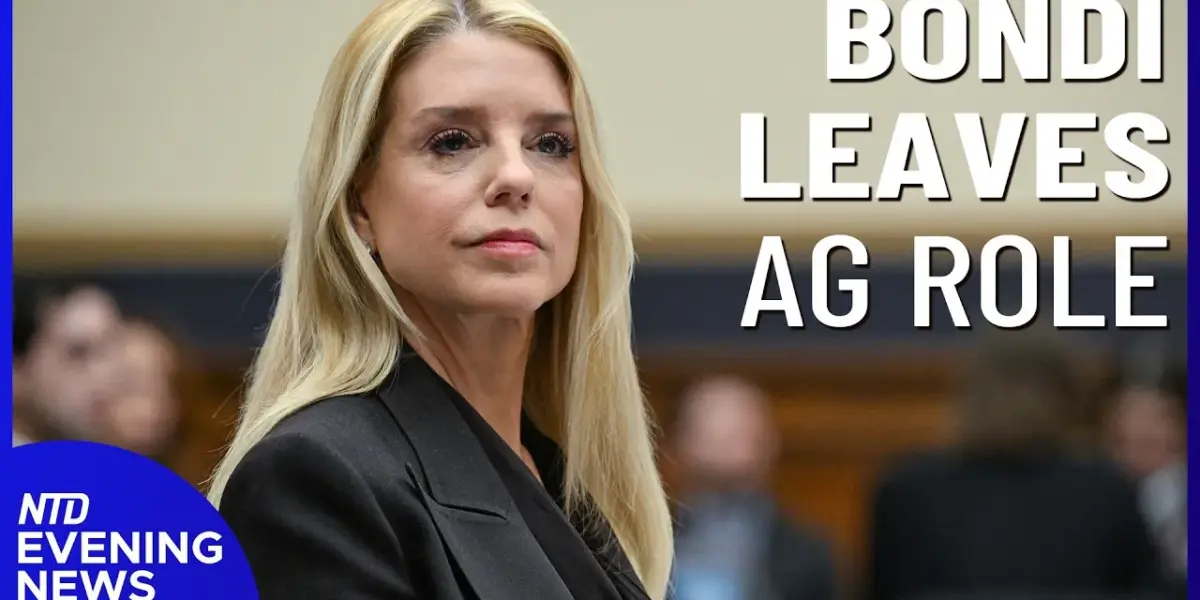
In a notable shift within the administration, Pam Bondi is no longer serving as Attorney General. Deputy Attorney General Todd Blanche will take over as the acting Attorney General. Bondi announced her departure on the social media platform X, indicating she is moving to an “important private sector role.” She also stated her intention to continue supporting the Trump administration’s agenda from her new position. This change at the top of the Justice Department could signal shifts in priorities or strategies moving forward.
Tariffs Increased on Steel, Aluminum, and Copper
Marking the anniversary of Liberation Day, President Trump signed a proclamation that strengthens existing Section 232 tariffs. These updated rules apply to imports of steel, aluminum, and copper. The new measures impose a 50 percent tariff on most metal products. Additionally, derivatives of these metals will face a 25 percent tariff. The proclamation also includes lower tariff rates for equipment that utilizes U.S.-made metals. This move appears aimed at protecting domestic industries and potentially reshaping international trade dynamics for these key materials.
Why This Matters
The events of April 2nd highlight several key areas of focus for the Trump administration. The strong stance against Iran, coupled with military action like the bridge destruction, signals a continued policy of pressure and deterrence. This approach could have significant implications for regional stability and international relations. The change in leadership at the Attorney General’s office, while presented as a move to a private sector role, often brings subtle shifts in focus and implementation of legal policies. Furthermore, the increased tariffs on metals are a clear indication of a protectionist trade policy. This could impact various industries, from manufacturing to construction, both domestically and globally, by raising costs and potentially altering supply chains. These actions collectively suggest a deliberate effort to assert American interests through a combination of foreign policy pressure, domestic legal adjustments, and economic protectionism.
Historical Context and Future Outlook
The current administration’s approach to foreign policy, particularly concerning Iran, often builds upon previous administrations’ efforts to counter perceived threats. The use of economic tools like tariffs is also a familiar tactic in international trade disputes, aimed at leveling the playing field or protecting domestic jobs. For instance, Section 232 tariffs have been used in the past to address national security concerns related to imported goods. The impact of these new, higher tariffs will likely unfold over time, affecting businesses that rely on imported metals and potentially encouraging greater domestic production. The transition at the Attorney General’s office is a standard part of any administration, but the specific timing and context can be significant. As for foreign policy, the repeated warnings and actions against Iran suggest a prolonged period of tension, with the potential for further escalation or diplomatic maneuvering. The phrase “more to follow” implies that the bridge destruction is not an isolated incident but part of a larger strategy. The effectiveness and consequences of these policies will be closely watched by allies and adversaries alike.
Broader Trends and Implications
These developments reflect broader trends in global politics and economics. There is a noticeable move towards greater national self-interest and a willingness to use assertive measures to achieve foreign policy and economic goals. The increased tariffs, for example, align with a growing global trend of protectionism, where countries prioritize their own industries over free trade principles. This can lead to trade disputes and affect the global economy. In foreign policy, the administration’s direct warnings and military actions indicate a preference for a strong, sometimes unilateral, approach to international challenges. This contrasts with multilateral efforts and could reshape alliances and international cooperation. The personnel changes within the administration, like the one at the Attorney General’s office, are also part of the ongoing process of governing, but they can signal shifts in policy execution and priorities. The coming months will likely reveal the full impact of these decisions on international relations, trade, and domestic policy.
Source: Pam Bondi Out as US Attorney General; Trump on Iran: ‘More to Follow’ | NTD Evening News (Apr. 2) (YouTube)

Related Articles
Macron Rejects Trump’s War Talk, Defends Diplomacy
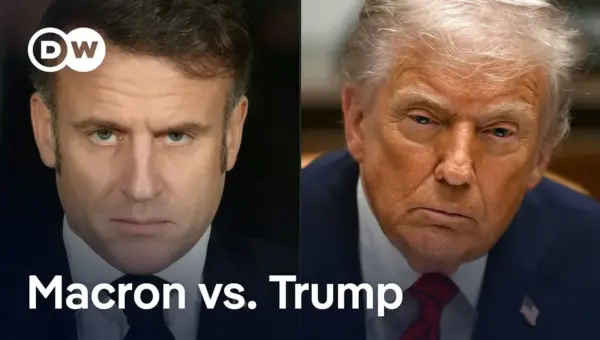
French President Emmanuel Macron has sharply criticized Donald Trump's stance on Iran and NATO, advocating for diplomacy over military action in the Strait of Hormuz. Macron warned that a forceful approach would be unrealistic and could escalate regional conflict. The comments highlight a growing divergence in worldviews and France's continued push for European strategic autonomy.


Israelis Mark Passover Amid War, Iran Strikes Cloud Holiday
Israelis commenced their Passover Seder amidst a significant escalation with Iran, facing air raid sirens and seeking shelter during the holiday feast. While the government cites national security, many citizens express war fatigue and anger over the ongoing conflict's disruption to normal life and traditions.


Could Trump Resign? Unpopular Policies Fuel Speculation
Amidst widespread public disapproval and economic woes, legal analysts are speculating about the possibility of President Trump resigning early. While rare in history, a growing number of people are placing bets on this outcome, reflecting public concern.