Tiger Woods Called Trump After Crash, Seeking ‘Daddy’s’ Help
Tiger Woods' immediate call to then-President Donald Trump after a near-fatal car crash and DUI arrest has sparked debate. The incident suggests a perception that powerful connections could offer a 'get out of jail free' card, raising questions about influence and the rule of law.

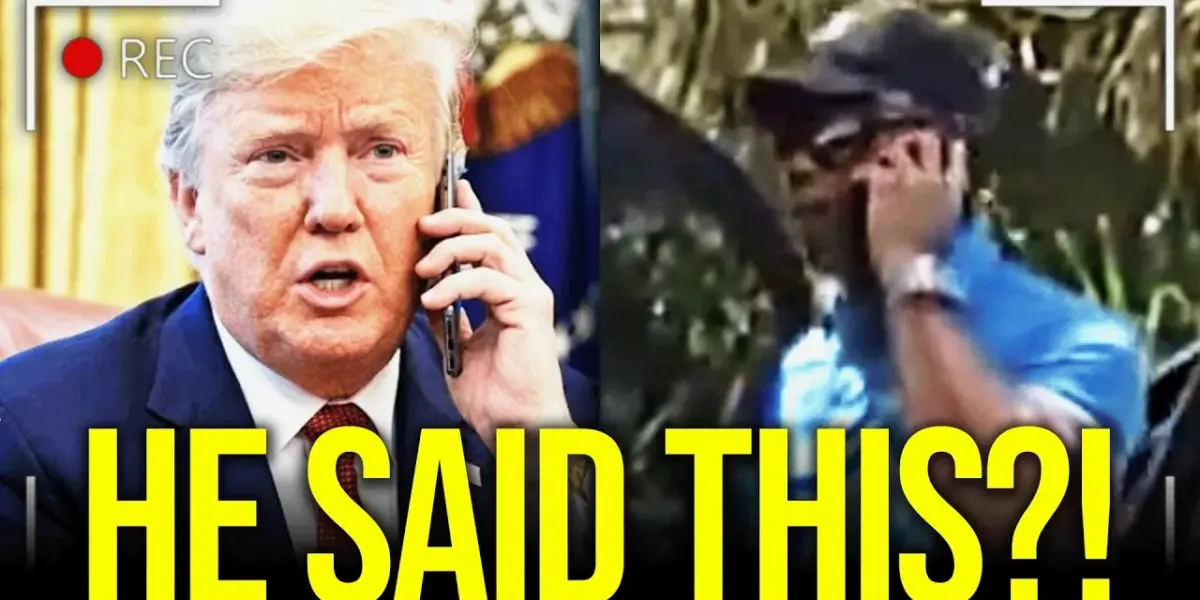
Tiger Woods’ Bizarre Call to Trump After Crash Raises Questions
In a truly strange turn of events, body camera footage has revealed that golf superstar Tiger Woods, immediately after a serious car crash where he nearly lost his life, made a call not to his family or a lawyer, but to then-President Donald Trump. This happened right before he was arrested for driving under the influence. The incident, which occurred in February 2021, shows Woods flipping his car near his Florida home. While the full conversation remains private, the timing and context suggest a desperate plea for help from the highest office.
A Call for ‘Daddy’ to Bail Him Out?
Instead of contacting loved ones or legal counsel, Woods’ first action after the near-fatal accident was to dial the President. The video captures Woods telling deputies, “I was just talking to the president.” This has led to widespread speculation that Woods was seeking some form of intervention or pardon. While pardons are typically for federal offenses, the implication is that Woods, perhaps in a state of shock and confusion, was looking for someone powerful to extricate him from his legal troubles. The speaker in the video describes this as Woods asking, “Daddy, will you please come bail me out?”
Context of the Crash and Woods’ History
It’s important to note that Woods’ DUI in 2021 was reportedly due to prescription medications, not alcohol. This distinguishes it from being intoxicated and reckless. However, this was not an isolated incident for the golf legend. Reports indicate this was his third crash in 20 years, with previous DUIs in 2017 and a severe high-speed crash in 2021 where he reportedly doubled the speed limit, leading to a badly injured leg. The speaker expresses concern, stating, “After this many crashes, you begin to wonder if he’s just reckless on purpose.” The advice given is simple: “dude’s got to hire a driver and he’s got to be much more careful.”
“The point is to show that Donald Trump has created an environment, a structure in which people think that if they’re loyal to him, they can get out of jail free.”
The Trump Effect: Loyalty and Immunity
The core argument presented is not solely about Tiger Woods’ personal choices, but about the perception of power cultivated under the Trump administration. The idea is that Trump fostered an environment where wealthy and powerful individuals believed that loyalty to him could offer a shield against consequences. The speaker draws a parallel, though carefully distinguishing the situations, to the Jeffrey Epstein case. In both instances, the implication is that powerful figures, through their connections to people like Trump, could allegedly abuse their power and avoid accountability.
This perceived system, where personal connections could override legal processes, is seen as deeply problematic. The speaker questions the focus on helping a wealthy friend when many Americans struggle with pressing issues like rising gas prices and economic instability. The call from Woods is framed as an example of this dynamic, where a rich associate seeks presidential intervention, which is described as “sickening” and “in bad taste.”
A Pattern of Seeking Powerful Intermediaries
The speaker further suggests that Woods’ mention of talking to the president might have been a subtle display of power towards the arresting officers. By stating, “Yeah, I was just talking to the president,” followed by an unclear phrase possibly related to getting away from the situation, Woods could have been implying his connections could help him escape the immediate consequences.
The situation is compared to a viral video of someone during a police chase pleading, “Donald Trump, please save me.” This comparison highlights a perceived pattern where individuals in dire situations, facing legal trouble, turn to Trump as a potential savior, believing in his disproportionate power to intervene.
Why This Matters
This incident, when viewed through the lens of political influence, raises serious questions about the separation of power and the rule of law. It suggests that during the Trump presidency, there was a perception, and perhaps a reality, that personal relationships and political loyalty could influence legal outcomes. The appearance of a celebrity calling the President immediately after a DUI arrest, even if no direct intervention occurred, creates an image of preferential treatment. This can erode public trust in the justice system, fostering cynicism among those who feel that the system is rigged in favor of the connected and powerful. It highlights the importance of maintaining a clear boundary between political influence and law enforcement, ensuring that everyone is subject to the same laws, regardless of their status or connections.
Implications and Future Outlook
The long-term implication of such events is a potential decline in public faith in governmental fairness. When citizens see or perceive that the powerful can skirt consequences through connections, it can lead to widespread disillusionment. The future outlook depends on whether such perceptions are challenged and whether institutions remain vigilant in upholding the principle of equal justice. The speaker’s commentary, while critical, also serves as a call for accountability, urging individuals to be responsible and for leaders to uphold the integrity of the law, regardless of who is involved.
Historical Context
Throughout history, the relationship between power, wealth, and the law has been a recurring theme. From ancient monarchies to modern democracies, accusations of special treatment for the elite are not new. However, the immediacy and public nature of modern communication, like social media and leaked footage, bring these issues to the forefront more rapidly. The Trump era, with its emphasis on personal loyalty and a perceived willingness to challenge established norms, provided fertile ground for such perceptions to take root. The Tiger Woods call, regardless of its ultimate impact, fits into a broader narrative of how influence might have been perceived or sought during that period.
Source: Trump Call After ARREST just LEAKED! (YouTube)

Related Articles
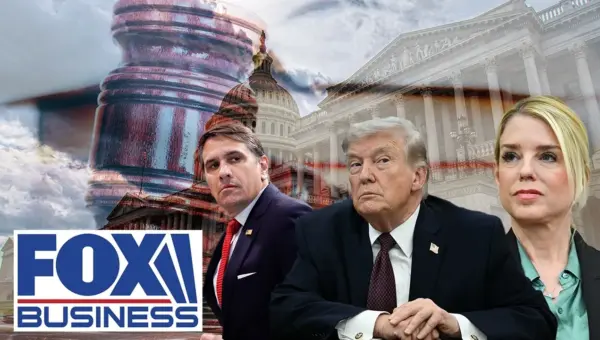
Trump Ousts AG Bondi, Eyes Zeldin as Successor
Pam Bondi is out as Attorney General after one year, with Deputy AG Todd Blanche serving as Acting AG. President Trump confirmed the departure, praising Bondi and hinting at a new private sector role. Lee Zeldin is reportedly being considered as Bondi's permanent replacement, amid ongoing speculation about other cabinet changes.
Trump’s NATO Insults Spark Global Outrage, Allies Push Back
Former U.S. President Donald Trump's leaked private remarks, filled with insults aimed at NATO allies, have sparked international outrage and calls for European self-reliance. The comments highlight growing concerns about U.S. reliability and the potential for a long-term split in transatlantic relations. The discussion also touched upon domestic UK issues, including NHS strikes and political shifts, alongside a unique debate on marmalade regulations.

Trump Fires AG Bondi Amidst Barrage of Personnel Changes
Donald Trump has fired Attorney General Pam Bondi, her tenure marked by controversy and a short duration. This move continues a pattern of high turnover in key positions within the Trump administration, raising concerns about legal integrity and future appointments.