US Urges Allies to Secure Oil Routes, Rethinks NATO Role
The U.S. is shifting responsibility for securing the Strait of Hormuz oil passage to allied nations heavily reliant on the trade. Ambassador to NATO Matthew Whitaker emphasized that while the U.S. has achieved energy independence, allies must now step up. The future of the NATO alliance is also under review, with the U.S. seeking a more balanced partnership.

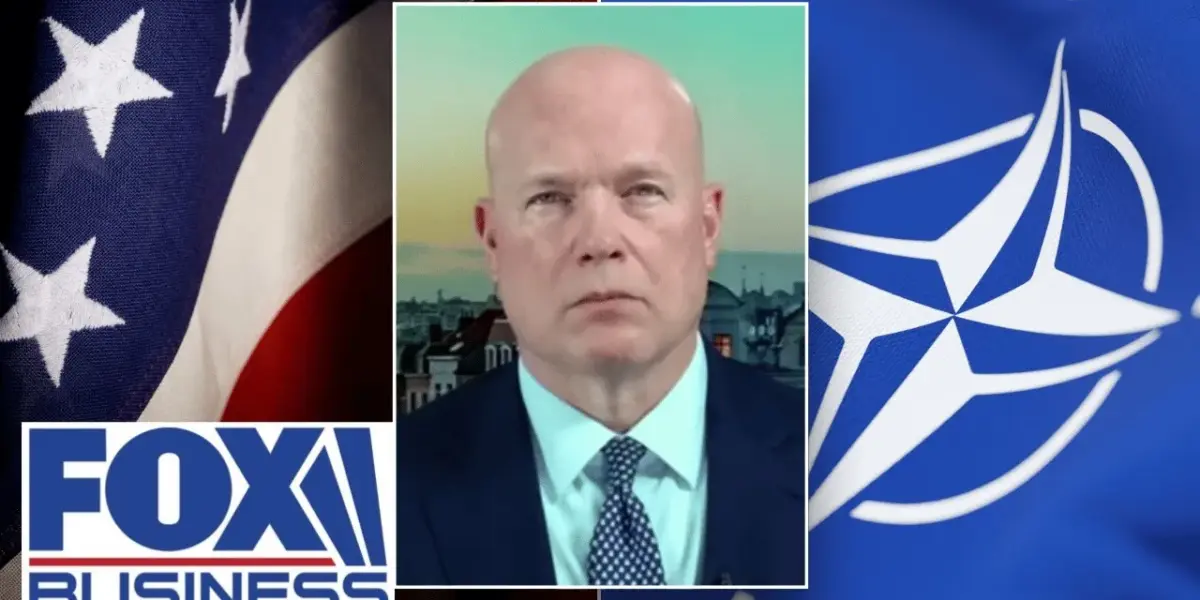
US Pushes Allies to Secure Vital Oil Passages
President Trump has declared that the United States will no longer take the lead in protecting oil shipments through the Strait of Hormuz. He stated that the U.S. imports very little oil from this critical waterway and has no plans to do so in the future. The President emphasized that nations heavily reliant on this oil trade must now assume responsibility for securing the passage themselves.
“The countries of the world that do receive oil through the Hormuz Strait must take care of that passage,” President Trump said. “They must cherish it. They must grab it and cherish it.” He added that while the U.S. will be helpful, the primary duty falls on these nations to safeguard the oil they depend on so heavily.
NATO Ambassador Calls for Allied Action
Matthew Whitaker, the U.S. Ambassador to NATO, echoed the President’s sentiments. He believes that European allies, along with other major oil importers like India, China, and Japan, should be doing more. These countries depend far more on oil from Iran and the Persian Gulf region than the United States currently does.
Ambassador Whitaker highlighted that President Trump has led America to energy independence. This achievement allows the U.S. to make decisions that might have been impossible just ten years ago. He stressed the importance of global unity, stating, “The world is a lot stronger when it speaks together, with one voice.” While the U.S. has a significant voice, he noted that capable allies stepping up and contributing would be beneficial.
“Unfortunately, they have a culture of talking, the United States has a culture of action and that’s the real challenge that we’re facing right now.”
NATO’s Future Under Review
The conversation also touched upon the future of the NATO alliance. President Trump has previously expressed strong views on NATO, even suggesting the U.S. might reconsider its membership. Ambassador Whitaker confirmed that “everything is on the table” as the U.S. evaluates the alliance.
He explained that the U.S. wants to ensure NATO is not a one-way street that only benefits allies while the United States receives little in return. The goal is a mutually beneficial relationship. Whitaker mentioned that he and NATO Secretary General Jens Stoltenberg would be meeting with President Trump in Washington D.C. soon.
As the U.S. representative to NATO, Whitaker stated he supports the President’s stance. However, he also aims to provide detailed insights into the current situation in Europe. Ultimately, the President will decide the future of the U.S. relationship with NATO. Whitaker believes it is time for NATO allies to clearly explain their value to the United States.
An ‘Off-Ramp’ for Iran?
Regarding Iran, the U.S. Ambassador addressed comments from Iran’s President suggesting a desire for diplomatic engagement over conflict. Whitaker described President Trump as a deal-maker and a peacemaker. He noted that the U.S. military is only used when absolutely necessary.
Whitaker confirmed that an “off-ramp,” or a path to de-escalation, always exists. However, he reiterated President Trump’s non-negotiable demands. The most critical is that Iran must not be allowed to possess nuclear weapons. If Iran does not adhere to this, the current situation is likely to continue.
Market Impact
The U.S. shift in policy regarding the Strait of Hormuz could increase geopolitical risk in the Middle East. The Strait is a vital chokepoint for global oil supplies, with a significant portion of the world’s oil passing through it daily. Increased responsibility for allies could lead to greater regional defense spending and potentially higher insurance costs for oil tankers.
Nations like China, India, and Japan, which are heavily dependent on Middle Eastern oil, may need to bolster their own naval capabilities or form new security partnerships to protect their energy imports. This could lead to new defense contracts and increased activity in the maritime security sector.
What Investors Should Know
Investors should monitor developments in the Strait of Hormuz closely. Any disruption to oil flow could cause significant price volatility in crude oil and related energy commodities. This would impact not only energy companies but also transportation, manufacturing, and consumer spending globally.
The potential re-evaluation of NATO’s role and the U.S. commitment could also affect defense stocks and international relations. Companies involved in defense manufacturing and cybersecurity might see shifts in government contracts and strategic alliances. Furthermore, the ongoing tension with Iran and the focus on its nuclear program remain key factors influencing global stability and investment sentiment in the region.
Source: 'STEP UP': US Ambassador to NATO says 'time is now' for members to explain this (YouTube)

Related Articles

US Escalates Middle East Conflict Toward Total War
The U.S. is increasingly targeting civilian infrastructure in Iran, a move that signals a dangerous shift towards 'total war.' This approach blurs the lines between military and civilian targets, echoing historical conflicts with devastating consequences. The long-term implications for regional stability and ethical warfare are significant.

Trump’s Iran Standoff: Allies Refuse U.S. Access
Several European allies have denied the U.S. access to their facilities and airspace amid rising tensions with Iran over the Strait of Hormuz. This refusal complicates President Trump's strategy and highlights a divergence in foreign policy. The situation raises questions about the effectiveness of the current U.S. approach and its impact on international relations.
US Strikes Dismantle Iran’s Military; Allies Rally Support
The U.S. has launched over 12,000 precision strikes against Iran, dismantling its military infrastructure. While Iran bets on U.S. wavering, regional allies are rallying. These actions aim to re-establish American credibility and deter future adversaries.