US Strikes Dismantle Iran’s Military; Allies Rally Support
The U.S. has launched over 12,000 precision strikes against Iran, dismantling its military infrastructure. While Iran bets on U.S. wavering, regional allies are rallying. These actions aim to re-establish American credibility and deter future adversaries.

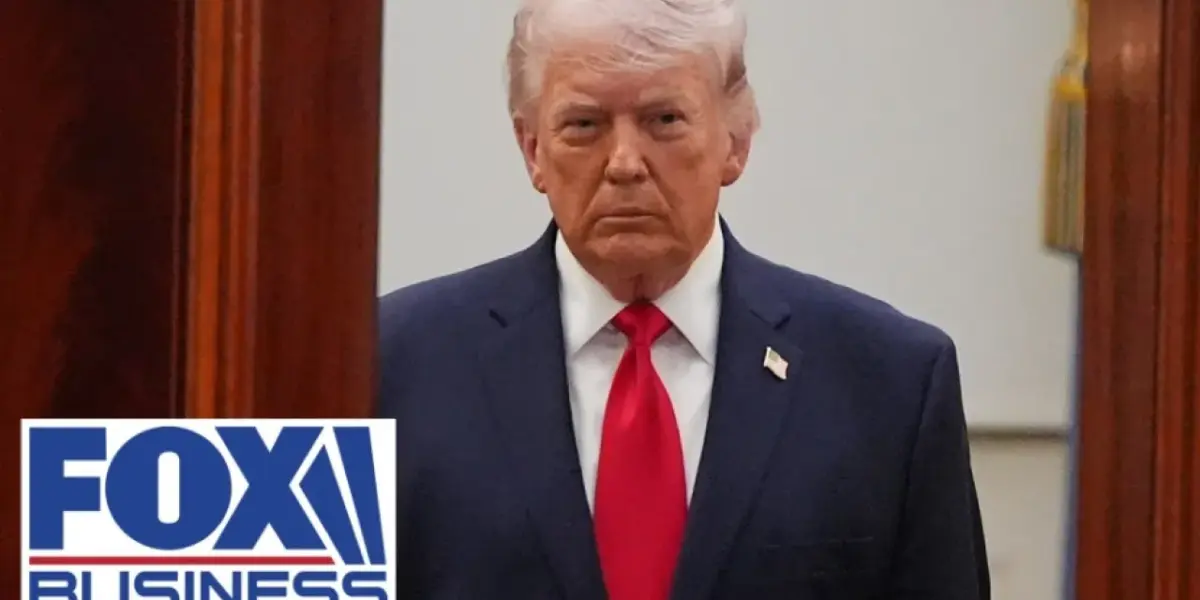
US Hits Iran with Over 12,000 Precision Strikes
The United States has launched more than 12,000 precision strikes against Iran, a move described as a decisive demonstration of American strength. This action aims to dismantle Iran’s military infrastructure, disrupt its command and control, and reduce its ability to operate freely in the region. The strikes are part of a broader strategy to counter Iran’s long-standing support for terrorism and prevent its pursuit of nuclear weapons.
Iran Bets on US Wavering; Allies Stand Firm
A former Army Special Operations Intel Analyst suggests Iran is betting that the United States lacks the will to see its actions through. Iran’s strategy appears to be one of survival and stalling, aiming to outlast American resolve. However, allies in the Middle East, including Arab nations and Israel, reportedly understand the necessity of these actions better than some European allies. These regional partners are tired of Iran’s aggressive behavior and are ready to support a coalition effort.
Global Stability and Economic Concerns
The conflict raises concerns about global stability and potential economic impacts, such as rising gas prices. The administration acknowledges the need to explain these sacrifices to the American public. However, the argument is that failing to confront Iran now could lead to greater costs later, including the risk of nuclear proliferation. The goal is to prevent Iran from developing nuclear weapons and posing a threat to global security.
“They pushed us and right now they are getting pushed back harder. Their military infrastructures being dismantled. Their command and control is under pressure.”
The Strait of Hormuz: A Critical Chokepoint
The Strait of Hormuz, a vital waterway for global oil transport, has become a focal point. While there have been mixed messages regarding potential actions, the underlying message is that the strait must remain open. The U.S. military, backed by allies, is prepared to ensure its free passage. The aim is to prevent Iran from using the strait as leverage or disrupting global trade, which would impact oil prices and the global economy.
American Credibility Re-established
Experts argue that the decisive action taken by the U.S. administration is re-establishing American credibility on the world stage. Unlike hesitation, which can invite aggression, acting swiftly and with force demonstrates leadership. This approach is seen as crucial for long-term American security and for deterring future adversaries. The message to other potential aggressors is clear: the United States is a capable and decisive power.
The Future of Warfare and Strategic Messaging
The ongoing operations are also seen as a preview of future warfare, highlighting the need for adaptation and innovation. The U.S. military’s ability to conduct large-scale, precise strikes at speed is unmatched by any other nation. This capability serves as a powerful deterrent. The current actions are not just about Iran; they send a strong message to all adversaries that challenging the United States will have severe consequences, and there will be no warning next time.
Market Impact
The sustained military actions against Iran, particularly concerning the Strait of Hormuz, could introduce volatility into global oil markets. Any disruption to supply or perceived escalation could lead to higher energy prices, impacting inflation and consumer spending worldwide. However, the administration’s stated goal of ensuring the strait remains open aims to mitigate these risks. The success of these strikes in degrading Iran’s military capabilities could also reduce the likelihood of broader regional conflict, which would be a positive for market stability in the long run.
What Investors Should Know
Investors should monitor geopolitical developments closely, especially concerning the Middle East and energy markets. The effectiveness of U.S. military action in deterring Iran and preventing further aggression will be key. Companies in the defense sector may see increased demand for their products and services. Conversely, sectors heavily reliant on stable oil prices could face headwinds if tensions lead to sustained price increases. The long-term outlook depends on whether U.S. actions successfully restore stability and deter future threats, thereby reducing geopolitical risk premiums in financial markets.
Source: Iran is betting the US doesn't have the will to finish what it started, expert argues (YouTube)

Related Articles


Iran Strikes Israel: Did US Jet Evade Missile Attack?
Iran launched significant ballistic missile attacks on Israel, bypassing air defenses. Meanwhile, claims of Iran downing a US fighter jet appear to be propaganda, with evidence suggesting the jet evaded attack. US bombing operations continue, and threats of a ground invasion raise concerns about further escalation.
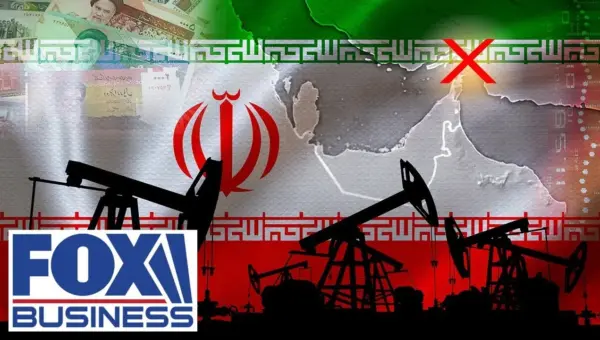
NY Fed Warns Oil Shock May Boost Inflation, Slow Economy
New York Fed President John Williams warned that rising oil prices, fueled by the Iran conflict, could increase inflation and slow economic growth. While jobless claims fell, the Fed is watching for broader economic impacts and maintaining its 2% inflation target.


US Army Leadership Shakeup Signals Strategic Uncertainty
U.S. Army Chief of Staff General Randy George has been asked to immediately step down by Secretary of the Army Pete Hegseth, citing a loss of trust. This unexpected leadership shakeup introduces uncertainty into the Army's command structure and could have implications for global security perceptions.