Judges Block Trump’s Orders, Undermining His Authority
Federal judges have blocked several key Trump administration initiatives, including efforts to defund public media and end birthright citizenship. These rulings, some from Trump appointees, highlight the judiciary's role as a check on executive power and question the administration's legal strategies.

Judges Block Trump’s Orders, Undermining His Authority
In a challenging week for former President Donald Trump, several federal judges have issued rulings that block key initiatives and question his approach to governance. These legal setbacks, including decisions from judges appointed by Republicans, suggest a broader pattern of his policies facing significant opposition within the very systems he sought to shape.
Funding for Public Media Saved
One notable decision involved a federal judge agreeing to permanently stop the Trump administration from cutting funding for National Public Radio (NPR) and the Public Broadcasting Service (PBS). A U.S. District judge ruled that the executive order to end this funding was unlawful and could not be enforced. The judge cited the First Amendment, stating that the right to free speech does not allow for punishment based on the content of journalism. Trump had previously expressed a desire to defund NPR and PBS, calling them biased.
White House Ballroom Construction Halted
Another ruling temporarily stopped the construction of a White House ballroom. A judge determined that President Trump could not build the ballroom without approval from Congress. This order meant construction had to pause. Judge Richard Lee, appointed by George W. Bush, emphasized that the president is a steward of the White House for future generations, not its owner.
Churches and Political Endorsements Blocked
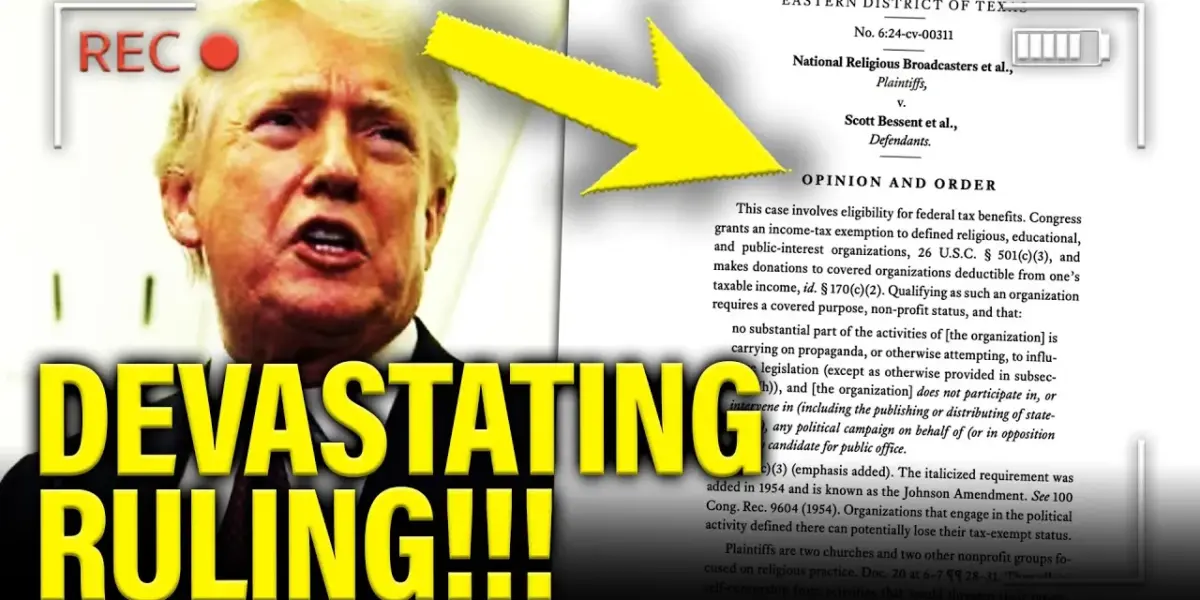
Further legal challenges came in the form of a blocked effort to let churches endorse political candidates without losing their tax-exempt status. This ruling was particularly significant because it came from a judge appointed by Trump himself. The judge stated the court lacked the authority to approve such an agreement, effectively ending the administration’s attempt to create an exception.
Birthright Citizenship Challenge Rebuffed
Perhaps the most high-profile legal battle involved Trump’s attempt to end birthright citizenship. The Supreme Court heard arguments on this issue, which could have fundamentally changed immigration policy. However, reports indicated that even some conservative justices, including those appointed by Trump, seemed unconvinced by the administration’s arguments. Trump attended the oral arguments, appearing to stare down the justices. He reportedly left abruptly after his lawyers faced tough questioning.
Trump later posted on Truth Social that the U.S. was “stupid” for allowing birthright citizenship. However, legal experts point out that many countries do not have such conditions for citizenship. Birthright citizenship in the U.S. is based on the 14th Amendment, which guarantees citizenship to those born in the country. Courts have consistently ruled that this constitutional protection cannot be changed with a simple executive order.
The Supreme Court previously addressed this in 1898 in the case of *United States v. Wong Kim Ark*. The court affirmed that children born in the U.S., even to non-citizen parents, are citizens. This precedent has stood for over 120 years.
Judicial Scrutiny and Trump’s Appointments
During the birthright citizenship hearing, justices, including those appointed by Trump, questioned his administration’s legal reasoning. Justice Neil Gorsuch asked Trump’s solicitor general if Native Americans would be considered birthright citizens under their proposed test. The response was hesitant, suggesting the administration’s interpretation could exclude certain groups.
Chief Justice John Roberts also offered a sharp observation, responding to the argument that times have changed by stating, “It’s a new world. It’s the same constitution.” This highlights the ongoing tension between contemporary issues and established legal principles.
Broader Implications of Legal Setbacks
These repeated legal defeats, even from judges Trump appointed, send a strong message. They suggest that the issues are not just partisan disagreements but genuine legal failures. When these failures accumulate, it becomes harder for Trump to blame opposition and easier to see problems with the policies themselves.
Trump’s decision to attend the Supreme Court hearing underscores his political difficulties. The transcript notes that presidents with low approval ratings, facing internal party divisions and questions about military actions, often become their own best advocates. However, when courts repeatedly intervene, it undermines the argument that a president can act freely and without challenge.
Why This Matters
These court rulings are more than just individual policy wins or losses. They speak to the fundamental checks and balances within the U.S. system of government. The judiciary, intended to be an independent branch, is serving its role by reviewing executive actions and ensuring they align with the Constitution and existing laws. The fact that these challenges are being upheld, even by judges appointed by the president himself, demonstrates the resilience of legal norms and constitutional principles. It also suggests that claims of absolute executive authority may be overstated, especially when they conflict with established legal precedent and constitutional rights like free speech and citizenship.
Trends and Future Outlook
The pattern of legal setbacks for Trump’s administration points to a broader trend: the judiciary acting as a significant check on executive power. This isn’t new, but the intensity and frequency of these challenges, especially when they involve constitutional interpretations, are noteworthy. It suggests that future administrations, regardless of political party, will likely face similar scrutiny. The reliance on the courts to resolve deeply divisive policy issues may continue, placing a heavy burden on the judicial system.
For Trump, these legal defeats could hinder his ability to claim he can deliver on campaign promises without hindrance. The repeated intervention of the courts, including by his own appointees, makes it difficult to frame opposition as purely political. It forces a reckoning with the substance of his policies and their legal standing. As the transcript notes, when policies are repeatedly struck down, the problem may lie with the policy itself, not just the opposition.
Source: Trump STUNNED as TEXAS Judge delivers CRUSHING LOSS (YouTube)

Related Articles
Trump’s Supreme Court Gamble Backfires Spectacularly
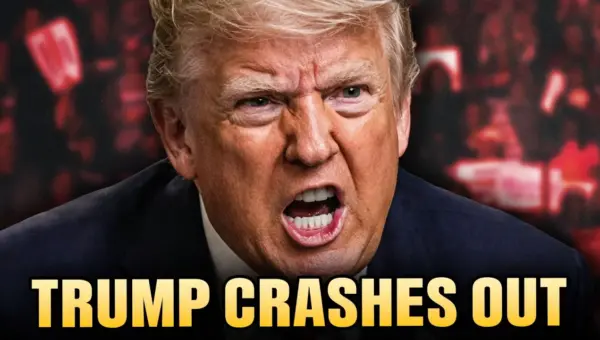
Donald Trump's strategy to influence the Supreme Court on birthright citizenship backfired. His personal appearance and subsequent social media comments met with skepticism from justices and legal experts alike. The incident highlights the importance of constitutional precedent and judicial independence.
Trump Signals New World Order Amidst Iran Conflict
Former President Donald Trump has signaled a major shift in U.S. foreign policy, questioning NATO's role and proposing a "new world doctrine" that emphasizes self-reliance among allies. This comes as military operations in Iran near completion, but lingering uncertainty is causing market volatility and driving up oil prices.
Iran Conflict Escalates: US Strikes Intensify, Allies Divided
President Trump announced intensified US military strikes against Iran, aiming to achieve objectives within weeks while urging allies to secure the Strait of Hormuz. Domestically, plans are underway to pay DHS employees and bypass Democrats on immigration funding, while legal challenges loom over birthright citizenship.