Border Vetting Loopholes Expose Security Gaps
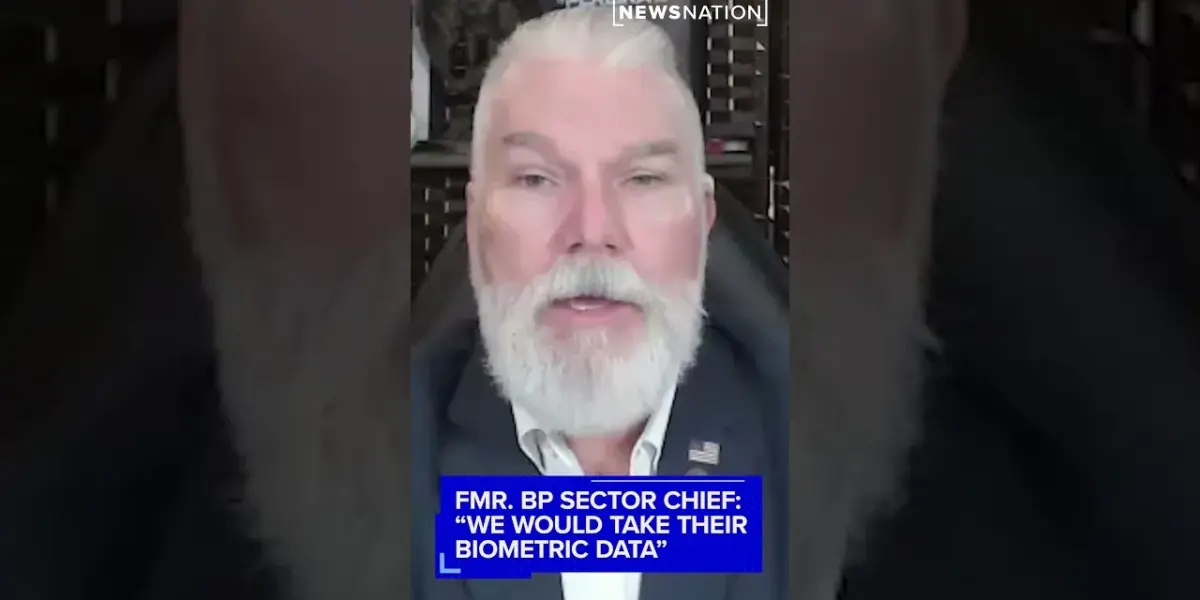
A former Border Patrol chief reveals that the vetting process for individuals entering the U.S. may not be as thorough as claimed. Biometric data collection and intelligence reviews were standard, but instances of delayed identification and rapid releases raise security concerns. This highlights the tension between border security needs and processing demands.

Border Vetting Loopholes Expose Security Gaps
A former high-ranking Border Patrol official has revealed serious concerns about the vetting process for individuals entering the United States. These insights highlight potential security risks and question the thoroughness of checks conducted on migrants. The system, as described, relied on intelligence agents and task forces to review information and identify potential threats.
According to the former sector chief, the standard procedure involved interviewing individuals who appeared on watch lists or came from countries of special interest. Basic biometric data, including fingerprints and photographs, were collected. This information was then used to run records checks. Intelligence agents also conducted more in-depth reviews of travel routes and known associations.
Intelligence and Joint Task Force Involvement
If an individual was flagged on a watch list, members of the Joint Terrorism Task Force would step in for further interviews. This multi-layered approach was intended to ensure a comprehensive review of potential security concerns. The system aimed to catch individuals who might pose a risk to national security.
However, the former official emphasized that the effectiveness of any system depends on its execution and the data it receives. If initial reviews found no negative information, individuals were typically placed in ICE custody for detention. This was the established protocol for managing those who passed the initial screening but still required further processing.
Instances of Delayed Identification
There were documented cases, the official noted, where individuals were released from ICE custody after only a day or two. These releases were followed by delayed alerts, sometimes a week or longer, indicating that these individuals needed to be spoken with. Such instances suggest that the system sometimes missed crucial information or that the follow-up mechanisms were not always timely.
The system is only as good as the system. If somebody hits all those flags and there was no derogatory information when they did their initial reviews, most of the time they were placed into ICE custody for detention.
This points to a critical issue: the definition and application of the term “vetting.” The former official argued that “vetting” is often used too casually. True vetting involves a deep, thorough investigation. For comparison, he highlighted that vetting a government employee for a promotion could take a month. This process was significantly longer than the hours sometimes spent processing foreigners entering the country legally.
Contrasting Vetting Timelines
The former president and secretary had stated that everyone was vetted. However, the reality on the ground, as described by the sector chief, often involved releasing individuals within hours. This contrasts sharply with the time needed for internal security checks, such as employee promotions. The implication is that the speed of processing at the border might have compromised the depth of the vetting process.
Global Impact
This account raises questions about the security of national borders and the potential for individuals with harmful intentions to enter countries. It underscores the complex challenge of balancing border security with humanitarian concerns and the efficient processing of large numbers of people. The effectiveness of intelligence sharing and the resources dedicated to vetting are crucial factors in maintaining national security.
The historical context of border security involves constant adaptation to new threats and changing migration patterns. Different administrations have implemented various policies, from stricter enforcement to more lenient asylum processes. Each approach carries its own set of challenges and implications for national security and international relations. The current situation highlights a recurring tension between the need for thorough vetting and the operational demands of managing large-scale border crossings.
Economically, lax vetting could have indirect consequences. If security incidents were to occur due to inadequate screening, the resulting fear and instability could impact tourism, trade, and international investment. Conversely, overly stringent and slow vetting processes can create backlogs, leading to humanitarian issues and straining resources.
Future Scenarios
One future scenario involves increased investment in technology and personnel for border vetting, leading to more robust checks but potentially longer processing times. Another possibility is a continued reliance on current methods, leaving the system vulnerable to gaps. A third scenario could see international cooperation on intelligence sharing and biometric data to improve vetting effectiveness across borders.
The competing interests of national security, economic stability, and humanitarian obligations create a complex geopolitical puzzle. Understanding the motivations of all actors, from border agents to policymakers and migrants themselves, is key to analyzing these dynamics. The former official’s testimony provides a valuable, albeit concerning, glimpse into the operational realities of border security.
Source: 'We would take their biometric data': Former Border Patrol sector chief (YouTube)

Related Articles


Australia’s UAP Blind Spot Exposed
An April Fools' Day joke by Australian Senator Ralph Babet unintentionally exposed a significant lack of awareness among Australian politicians regarding global UAP research. Despite historical warnings, many leaders remain uninformed about advancements in non-human technology and potential extraterrestrial intelligence, risking strategic disadvantage.

Border Loopholes Expose U.S. to Terrorist Infiltration Risk
U.S. border security faces significant challenges as stretched resources and gaps in international data sharing create potential vulnerabilities. Millions of individuals have been processed, with concerns that some may have entered without full vetting, raising national security alarms.


TikTok Ban Reversed: A $14 Billion Deal Rescues App
The U.S. ban on TikTok, enacted in January 2025, was lifted just one day later following a $14 billion deal. This agreement saw a consortium acquire an 80% stake in TikTok's U.S. operations, resolving years of national security concerns and legal battles. The deal allows the app to continue serving its 170 million American users.