DNA Hope: Genealogy Solves Cold Cases
Investigative genetic genealogy is offering new hope in the Nancy Guthrie case. This technique uses DNA to trace family trees, potentially identifying perpetrators when traditional methods fail. Successes in similar past cases highlight its growing effectiveness in solving cold crimes.


DNA Hope: Genealogy Solves Cold Cases
The disappearance of Nancy Guthrie has gripped the nation. Many people are surprised by the slow progress in finding her. Now, many are looking to investigative genetic genealogy as the main hope for answers. This technique uses DNA to trace family trees, helping to identify unknown individuals.
How Genetic Genealogy Works
Investigative genetic genealogy is a powerful tool. It works by comparing DNA found at a crime scene to public genealogy databases. These databases contain DNA profiles from people who have voluntarily submitted their information for family history research. By finding matches and building family trees, investigators can narrow down a list of potential suspects.
Think of it like a giant, complex family reunion. If you find someone at the reunion whose DNA is similar to a sample from a crime scene, you can start to map out their family connections. This helps law enforcement find relatives of the unknown person. Eventually, they can identify the person who left the DNA. This method has already helped solve many other cold cases. It offers a new path forward when traditional methods fail.
The Nancy Guthrie Case
The Nancy Guthrie case is a prime example of where this technique can be vital. If investigators can get a usable DNA sample from the person responsible for her kidnapping, genetic genealogy can identify them. This is especially true if other investigative paths have not yielded results. The expert believes that if a viable profile can be obtained, the perpetrator will be found through this method.
There’s also the possibility that new evidence could emerge. If another crime scene is found, or if Ms. Guthrie’s remains are discovered, it could provide fresh opportunities to collect DNA. This means that even if current DNA samples aren’t sufficient, future discoveries could still offer a chance for identification. Hope is not lost if initial efforts do not succeed.
Lessons Learned from Past Cases
The success in cases like Michelle Welch shows the potential of genetic genealogy. It proves that even old, unsolved mysteries can be cracked with new technology. These successes give confidence to those working on the Guthrie case. They know that this method has a proven track record.
The key is having a usable DNA sample. This sample needs to be complex enough for genealogical analysis. When such a sample exists, and the person is linked to a family with records in genealogy databases, identification becomes highly probable. This process requires patience and careful analysis of the data. It bridges the gap between forensic science and historical family records.
Global Impact and Future Order
The increasing use of genetic genealogy in criminal investigations is changing how justice is pursued. It offers a glimmer of hope for victims and their families in cases that have gone cold for years, even decades. This technology democratizes justice in a way, by allowing ordinary people’s DNA contributions to family history research to aid in solving serious crimes.
As more people contribute to genealogy databases, the effectiveness of investigative genetic genealogy will only grow. This could lead to a future where fewer crimes remain unsolved. It highlights the intersection of personal data, privacy concerns, and public safety. It also shows how scientific advancements can significantly impact society and the legal system. The world is seeing a new era in forensic science, where family history plays a direct role in solving crimes.
This technique is not just about finding suspects. It’s about providing closure and answers to grieving families. It’s about ensuring that those who commit terrible acts are held accountable, no matter how much time has passed. The Nancy Guthrie case could become another testament to the power of modern DNA analysis.
Source: DNA expert: genetic genealogy will solve the Nancy Guthrie case (YouTube)

Related Articles

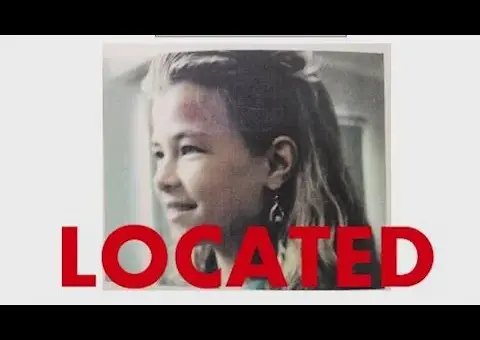
Missing Teen Found After 30 Years: Ran Away With Family Help
A 13-year-old girl who vanished in 1994 has been found alive after 30 years, authorities announced. The Gila County Sheriff's Office revealed she ran away from home with family help, not due to foul play. Advanced technology aided the cold case unit in locating her.


FBI Experience Gap Undermines Cold Case Investigation
A former FBI agent points to a critical experience gap in the Nancy Guthrie cold case investigation. He suggests this lack of seasoned investigators may have led to missed evidence and overlooked inconsistencies, potentially jeopardizing the case. Unusual crime scene handling further fuels concerns about the investigation's leadership.


Nancy Guthrie Disappearance: 60 Days Later, Questions Remain
Two months have passed since 84-year-old Nancy Guthrie, mother of Savannah Guthrie, disappeared from her Arizona home. Investigators believe she was abducted, but no proof of life has emerged, leaving the case with many unanswered questions. The investigation faces challenges with complex DNA evidence and scrutiny over crime scene handling.