Trump Addresses War with Iran, Offers Few Details on Exit
President Trump addressed the nation regarding the ongoing war with Iran, offering praise for U.S. military actions but providing few concrete details on an exit strategy. He reiterated threats against Iran's civilian infrastructure and placed responsibility for securing the Strait of Hormuz on allied nations, while market indicators show continued oil price volatility.

Trump Addresses War with Iran, Offers Few Details on Exit
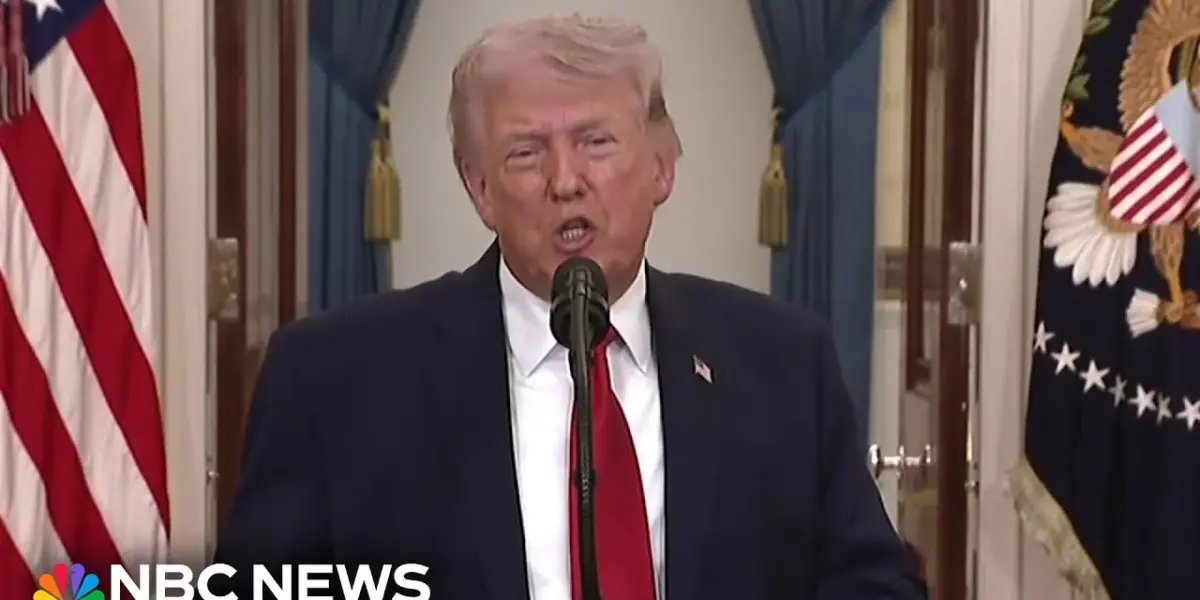
President Trump delivered his first prime-time address since the start of the war with Iran, but offered little concrete information on how the conflict might end. The roughly 20-minute speech, given five weeks into what the administration calls “Operation Epic Fury,” focused heavily on praising U.S. military actions and asserting that Iran is no longer a significant threat.
Mixed Messages on War’s End
During his address, President Trump stated that the war would conclude “shortly” once military objectives were fully achieved. This comes after a series of shifting timelines from the President regarding the conflict’s duration. Initially, the administration projected a four- to five-week operation. Later, Trump suggested the war could continue much longer if necessary, while also indicating it would end very soon and that U.S. forces would be leaving in the “very near future.” He even estimated completion within two weeks, or possibly a few days longer.
“I’ve made clear from the beginning of Operation Epic Fury that we will continue until our objectives are fully achieved. Thanks to the progress we’ve made, I can say tonight that we are on track to complete all of America’s military objectives. Shortly. Very shortly.”
The President also vowed to intensify operations over the next two to three weeks, stating, “We’re going to hit them extremely hard over the next 2 to 3 weeks. We’re going to bring them back to the stone ages where they belong.” This aggressive rhetoric contrasts with the lack of a clear exit strategy presented to the public.
Threats Against Civilian Infrastructure
President Trump reiterated his threat to target Iran’s civilian energy infrastructure if Tehran does not agree to a deal to end the war. He warned, “Yet, if during this period of time no deal is made, we have our eyes on key targets. If there is no deal, we are going to hit each and every one of their electric generating plants very hard and probably simultaneously.”
This statement follows previous remarks where Trump suggested Iran was eager to negotiate. Just days prior, he said, “They want to negotiate. And as. They should. But I don’t think they’re ready to do what they have to do.” He also indicated a willingness for dialogue but not a ceasefire, expressing optimism for a deal within five days. The conflicting messages have left many questioning the administration’s diplomatic approach.
Strait of Hormuz Responsibility
Concerns about the Strait of Hormuz, a vital shipping lane for 20% of the world’s oil, remain a key issue. President Trump placed the responsibility for securing the passage on the countries that rely on it for oil imports. “The countries of the world that do receive oil through the Hormuz Strait must take care of that passage. They must cherish it,” he stated. While pledging U.S. assistance, he insisted these nations should lead the effort to protect the oil they depend on.
The President also suggested the Strait would reopen naturally once the conflict ends, implying Iran would resume oil sales to aid its own rebuilding efforts. However, this contradicts Iran’s stated intentions to keep the Strait closed or impose tolls. For weeks, Trump has sent mixed signals about who controls the Strait and when it will reopen, at one point suggesting joint control and at another, stating it would open on its own.
Market Reactions and Military Objectives
The war’s impact has been felt in global markets. Despite a volatile day, the Dow Jones Industrial Average closed relatively flat. However, oil prices continued to rise, with WTI crude nearing $111 per barrel, an increase of over $11 for the week. National average gas prices climbed to $4.08 per gallon, with projections suggesting further increases if oil prices remain elevated.
White House officials aimed to reassure the public that a plan was in place to end the war, reaching those who might only notice the conflict’s effects at the gas pump or through market fluctuations. However, the lack of significant market shifts or changes in gas prices following the speech suggests the message may not have fully resonated.
On the military front, U.S. forces have reportedly struck over 13,000 targets, with allies hitting thousands more. While Iran’s conventional military, including its navy, air force, and missile capabilities, has been significantly degraded, experts note that not all threats have been eliminated. Some analysts suggest the strategy may involve decimating Iran’s conventional forces to prevent it from defending a nuclear program, thereby making any future nuclear facility strikes easier.
Looking Ahead
As the conflict enters its sixth week, the focus remains on the President’s shifting timelines and the potential for escalated attacks on civilian infrastructure. The international community watches closely for any signs of a genuine de-escalation or a clear path toward peace, while consumers brace for continued volatility in energy prices.
Source: Trump pulls out ‘big rhetorical guns’ to try to make his case for the war with Iran (YouTube)

Related Articles

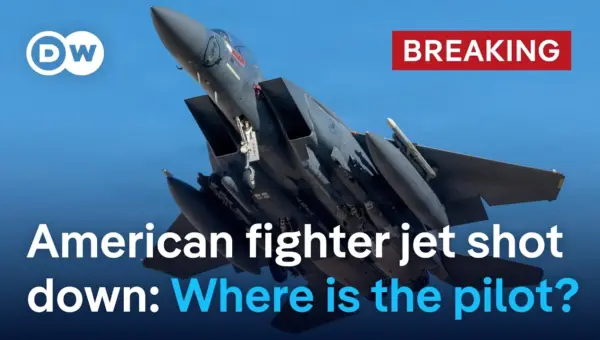
US Jet Downed in Iran: Crew Fate Unknown, War Unpopular
An American F-15 fighter jet has been shot down over Iran, with U.S. officials confirming the loss but offering few details on the crew's fate. The incident occurs amid widespread public opposition to the war and raises questions about Iran's air defense capabilities.

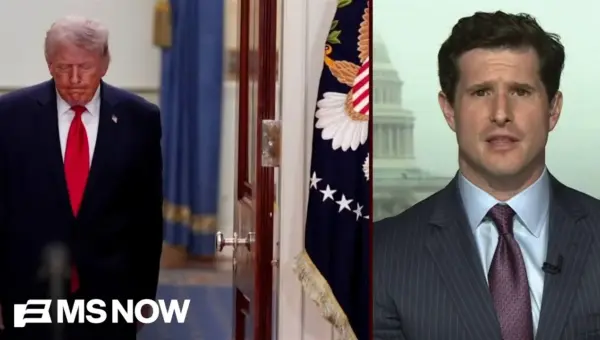
Trump Weighs War Exit Amid Iran Strikes and Internal Debate
President Trump is reportedly facing internal debate over how to end the escalating conflict with Iran, according to a new Time Magazine report. While publicly vowing to increase strikes, privately Trump seeks an "off-ramp" to declare victory and avoid domestic backlash, even as advisors express surprise at Iran's retaliatory attacks.

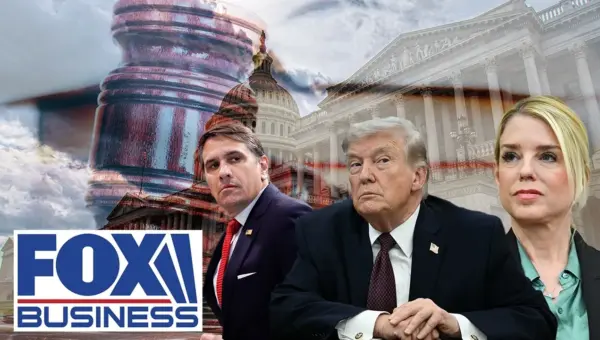
Trump Ousts AG Bondi, Eyes Zeldin as Successor
Pam Bondi is out as Attorney General after one year, with Deputy AG Todd Blanche serving as Acting AG. President Trump confirmed the departure, praising Bondi and hinting at a new private sector role. Lee Zeldin is reportedly being considered as Bondi's permanent replacement, amid ongoing speculation about other cabinet changes.