Trump Declares Iran No Longer a Mideast Bully
Former President Donald Trump asserted that Iran is no longer a threat to the Middle East following a recent 32-day military operation. He compared this swift action to longer historical U.S. military engagements, claiming Iran has been "eviscerated." This statement offers insight into a potential foreign policy approach favoring decisive military strikes.

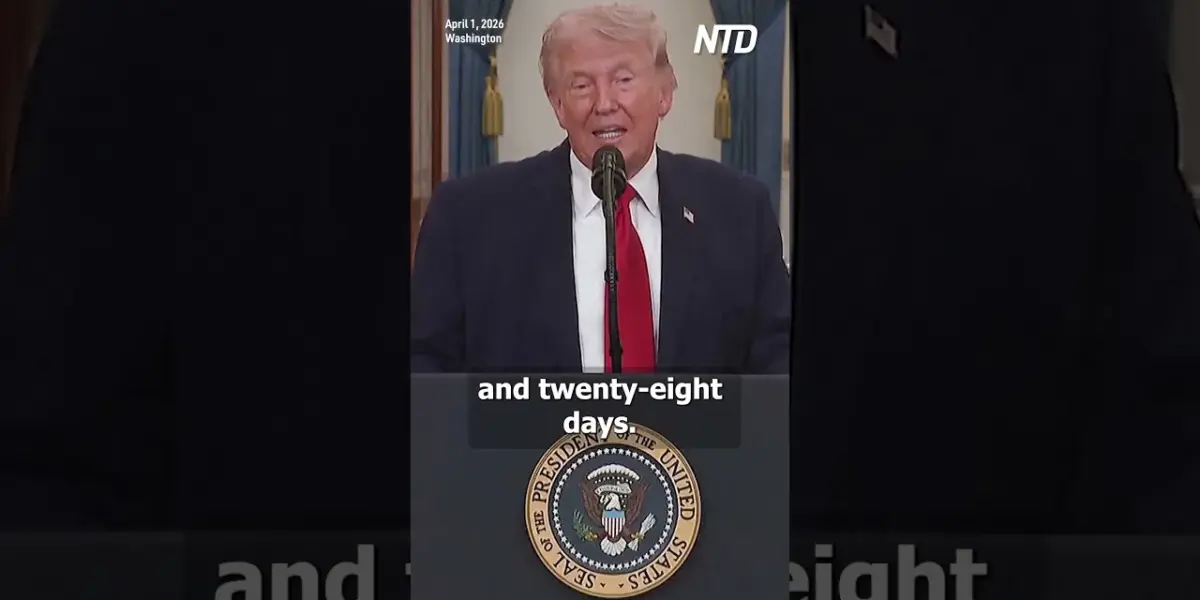
Trump Claims Iran No Longer a Threat
Former President Donald Trump recently stated that Iran is no longer a threat to the Middle East. He made this bold claim by comparing the current situation to past American military engagements. Trump argued that a recent 32-day military operation against Iran was incredibly effective. He said this operation left the country “eviscerated” and “no longer a threat.” According to Trump, Iran used to be the “bully of the Middle East,” but that is no longer the case.
Contextualizing Military Commitments
To support his point, Trump provided a timeline of American involvement in several major conflicts. He highlighted that the United States’ participation in World War I lasted about 1 year and 7 months. World War II saw American involvement for nearly 4 years. The Korean War lasted over 3 years. Trump then pointed to the Vietnam War, which lasted almost 20 years. The Iraq War, he noted, continued for over 8 years. He contrasted these long-term conflicts with the recent 32-day operation against Iran.
“We are in this military operation so powerful, so brilliant against one of the most powerful countries for 32 days. And the country has been eviscerated and essentially is really no longer a threat.”
Assessing the Impact on Iran
Trump’s assessment suggests a belief that the recent military actions have fundamentally weakened Iran. He characterized the operation as “powerful” and “brilliant.” The implication is that this swift and decisive action achieved its goals. By calling Iran “eviscerated,” he painted a picture of a nation severely damaged by the military engagement. This perspective suggests that Iran’s capacity to act as a regional power or a threat has been significantly reduced.
Why This Matters
Understanding Trump’s statement is important for several reasons. It reflects a particular viewpoint on American foreign policy and military strategy. His comments suggest a preference for swift, decisive military action over prolonged engagements. This approach could influence future foreign policy decisions if he were to return to office. It also offers insight into how the impact of military operations is perceived and communicated. The statement might shape public opinion about the effectiveness of U.S. military power in the Middle East.
Historical Background and Regional Dynamics
The Middle East has a long history of complex geopolitical rivalries. Iran has often been a central figure in these dynamics, particularly its relationship with the United States and its regional neighbors. For decades, Iran has been viewed by many as a significant player, sometimes seen as a destabilizing force due to its support for certain militant groups and its nuclear program. U.S. policy towards Iran has shifted over various administrations, ranging from sanctions and diplomatic pressure to direct military confrontations or the threat thereof. Trump’s presidency saw a particularly hardline stance against Iran, including withdrawing from the Iran nuclear deal. His current statement appears to be a continuation of this assertive posture, framing recent actions as a definitive success.
Implications and Future Outlook
If Iran is indeed significantly weakened, it could alter the balance of power in the Middle East. This could lead to a reduction in regional tensions or, conversely, create new power vacuums. Other regional players might react to this perceived shift in strength. For the United States, such an outcome would validate a strategy of rapid, high-impact military intervention. However, critics might question the long-term sustainability of such a strategy or the accuracy of the assessment of Iran’s current capabilities. The future outlook will depend on Iran’s response, the reactions of other global powers, and the ongoing diplomatic and military strategies employed in the region. The effectiveness and consequences of such actions will continue to be debated.
Source: Trump Says Iran ‘Is Really No Longer a Threat’ (YouTube)

Related Articles

Trump’s Supreme Court Gamble Backfires Spectacularly
Donald Trump's strategy to influence the Supreme Court on birthright citizenship backfired. His personal appearance and subsequent social media comments met with skepticism from justices and legal experts alike. The incident highlights the importance of constitutional precedent and judicial independence.
Trump Signals New World Order Amidst Iran Conflict
Former President Donald Trump has signaled a major shift in U.S. foreign policy, questioning NATO's role and proposing a "new world doctrine" that emphasizes self-reliance among allies. This comes as military operations in Iran near completion, but lingering uncertainty is causing market volatility and driving up oil prices.
Trump’s Iran Strategy Falters Amidst Iranian Resilience
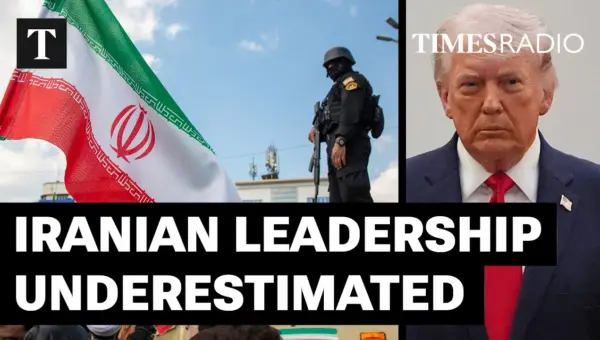
President Trump's recent address on the Iran conflict left many Americans questioning the justification and timeline, as new polls show a dip in his approval ratings. Despite U.S. military actions, Iran's leadership has shown unexpected resilience, reportedly surprising American and Israeli officials. The economic fallout, including rising oil prices, continues to impact consumers, while international relations are strained by Trump's rhetoric and approach to the conflict.