Trump’s Supreme Court Gamble Backfires Spectacularly
Donald Trump's strategy to influence the Supreme Court on birthright citizenship backfired. His personal appearance and subsequent social media comments met with skepticism from justices and legal experts alike. The incident highlights the importance of constitutional precedent and judicial independence.

Trump’s Supreme Court Gamble Backfires Spectacularly
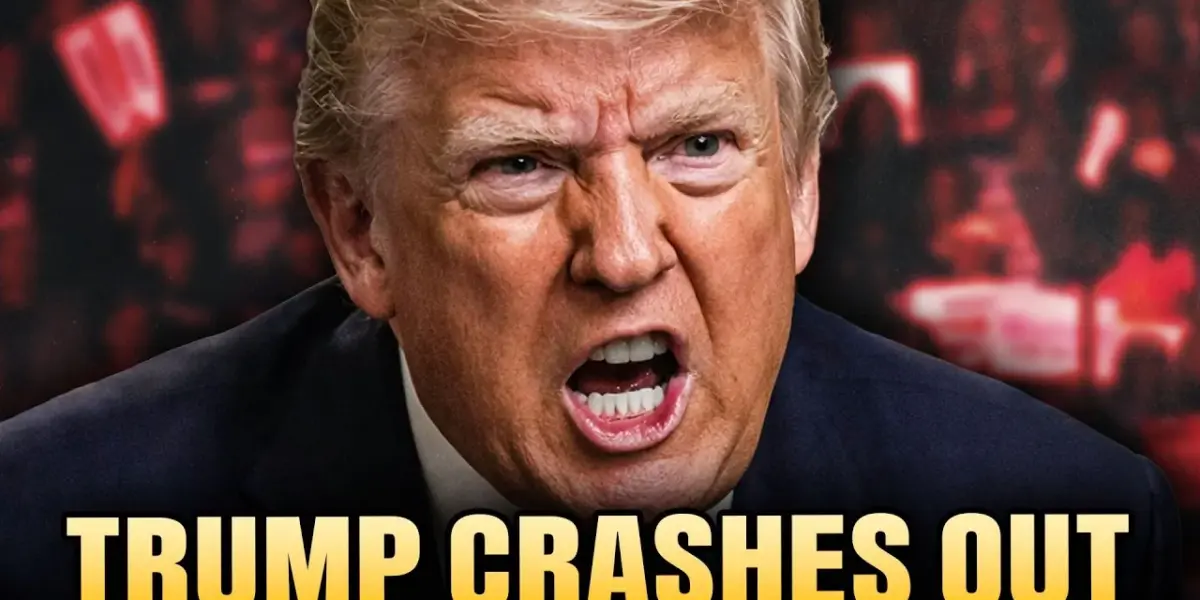
Donald Trump’s attempt to influence the Supreme Court’s decision on birthright citizenship appears to have backfired. The former president attended oral arguments for his challenge to ending birthright citizenship, an executive action widely seen as unconstitutional. His presence in the courtroom, intended as a show of force, was met with skepticism from the very conservative justices he hoped to impress.
The arguments themselves did not go well for Trump’s legal team. John Sauer, Trump’s lawyer, faced tough questions and expressed doubt from Justices Gorsuch, Barrett, and Roberts. These justices, known for their conservative leanings, seemed unconvinced by the administration’s legal arguments. This suggests that Trump’s strategy of intimidation failed to sway the court.
An Attempt at Intimidation
Trump’s decision to personally attend the Supreme Court hearing was highly unusual. He seemed to believe his physical presence would intimidate the justices into ruling in his favor. He likely hoped his “orange presence” would make the judges “shake in their little robes.” This tactic, however, proved to be a miscalculation. It suggested a lack of faith in his own legal arguments.
Even allies of Trump, like Alan Dershowitz, an attorney and a figure often associated with conservative legal circles, criticized Trump’s move. Dershowitz suggested that Trump’s appearance in court may have actually hurt his case. He stated that Trump’s presence likely cost him the case, even without considering the weak legal arguments presented by his administration. This indicates that the strategy was poorly advised from multiple perspectives.
An Early Exit and Social Media Outburst
The proceedings clearly did not go as Trump had hoped. He reportedly left the Supreme Court hearing early, signaling his dissatisfaction with how the arguments were unfolding. This early departure suggested he recognized his side was “getting creamed.” He seemed to realize his presence was not having the desired effect.
Following his departure, Trump took to social media to express his frustration. He claimed, “We are the only country in the world stupid enough to allow birthright citizenship.” This statement is factually incorrect. Many countries around the world offer birthright citizenship. These include Canada and Mexico, the United States’ closest neighbors. The claim reveals a misunderstanding of global citizenship laws.
The Reality of Birthright Citizenship
Birthright citizenship means that anyone born within a country’s borders is automatically granted citizenship. This concept is enshrined in the 14th Amendment of the U.S. Constitution. It was established after the Civil War to ensure rights for newly freed slaves.
Trump’s argument against birthright citizenship overlooks key figures, including those within his own administration. For example, Senator Marco Rubio, Trump’s former Secretary of State, is a prime example. Rubio’s parents were Cuban immigrants who were not yet U.S. citizens when he was born in Miami. He became a citizen automatically due to birthright citizenship. Ending birthright citizenship could potentially affect individuals like Rubio, raising questions about the implications for their citizenship status.
Historical Context and Constitutional Basis
The principle of birthright citizenship in the United States is deeply rooted in history and law. Following the Civil War, the 14th Amendment was ratified in 1868. Its primary purpose was to grant citizenship to all persons “born or naturalized in the United States, and subject to its jurisdiction.” This clause was intended to prevent states from denying citizenship to formerly enslaved people.
Over time, the Supreme Court has largely upheld the interpretation that the 14th Amendment grants birthright citizenship. While legal challenges have occurred, the core principle has remained intact. Trump’s executive order sought to challenge this long-standing interpretation, but the oral arguments suggest the court remains hesitant to overturn established precedent.
Future Outlook and Implications
Based on the reactions during the oral arguments, it seems unlikely that the Supreme Court will end birthright citizenship. The skepticism shown by conservative justices like Gorsuch, Barrett, and Roberts indicates they are not convinced by the arguments against it. The comments from the justices suggest they understand the constitutional basis and historical significance of birthright citizenship.
Trump’s attempt to influence the court appears to have failed. His strategy of intimidation backfired, alienating even some who might have been sympathetic. The incident highlights the tension between political pressure and judicial independence. It also underscores the importance of understanding constitutional law and historical context when making broad policy claims.
Why This Matters
This event matters because it touches on fundamental questions about citizenship, immigration, and the rule of law in the United States. Birthright citizenship is a cornerstone of American identity for many, ensuring that those born here are recognized as full members of society. Challenges to this principle can create uncertainty and division.
Furthermore, the incident raises questions about the proper role of political figures in influencing judicial proceedings. Trump’s personal appearance and subsequent social media comments suggest an attempt to exert external pressure on the court. This contrasts with the ideal of judicial independence, where judges make decisions based solely on law and evidence.
The outcome of this challenge, whatever it may be, will have lasting implications. It could shape future debates about immigration policy and the interpretation of constitutional rights. Understanding the legal, historical, and political dimensions of this issue is crucial for informed public discourse.
Source: Trump Crashes Out After Trying To Influence Supreme Court (YouTube)

Related Articles

Trump’s Iran Strategy Falters Amidst Iranian Resilience
President Trump's recent address on the Iran conflict left many Americans questioning the justification and timeline, as new polls show a dip in his approval ratings. Despite U.S. military actions, Iran's leadership has shown unexpected resilience, reportedly surprising American and Israeli officials. The economic fallout, including rising oil prices, continues to impact consumers, while international relations are strained by Trump's rhetoric and approach to the conflict.
Iran Conflict Escalates: US Strikes Intensify, Allies Divided
President Trump announced intensified US military strikes against Iran, aiming to achieve objectives within weeks while urging allies to secure the Strait of Hormuz. Domestically, plans are underway to pay DHS employees and bypass Democrats on immigration funding, while legal challenges loom over birthright citizenship.
Trump’s Iran Speech: A Public Stumble and Market Jitters
Donald Trump's recent address on Iran raised more questions than answers, with mixed messages about the situation and a noticeable decline in his delivery. The speech, intended to reassure, instead sparked market worries and renewed concerns about his cognitive state, failing to achieve its stated objectives.