Russia Blocks Telegram, Alienating Putin’s Vloggers
Russia's ban on Telegram has silenced Kremlin-aligned bloggers and experts, cutting off a vital communication channel for millions. The move alienates key supporters and highlights the government's fear of uncontrolled information flow amidst economic and military challenges.

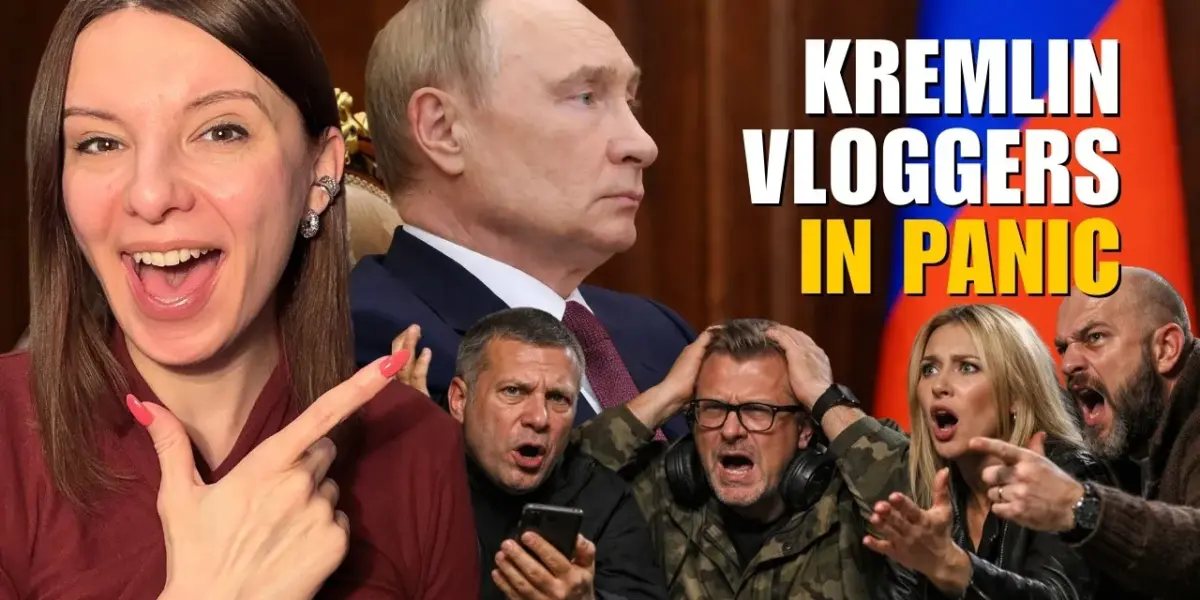
Russia Blocks Telegram, Alienating Putin’s Vloggers
Russia has officially banned the popular messaging app Telegram, a move that is creating significant backlash from pro-Kremlin bloggers and experts. The ban, effective April 1, has cut off communication for millions of Russians. This action is seen by some as a desperate attempt by the Kremlin to control information and quell dissent. The decision has angered many who previously supported President Vladimir Putin and his government’s actions in Ukraine.
Supporters Lose Reach and Income
Many Russian military bloggers and commentators, some with audiences of millions, have lost access to their followers. These platforms were not only a way to communicate but also a source of income. These vloggers often used their channels to raise funds and support Russian soldiers fighting in Ukraine. Now, they are unable to do so, causing widespread frustration among those who backed the war effort. Some report losing up to half their audience in a single day.
Telegram’s Role in Russian Society
Telegram had become a vital communication tool for ordinary Russians. It served as a platform for exchanging messages, photos, and videos. Beyond personal communication, it was a key channel for news and discussion. The government appears to fear that the app allows for the rapid spread of negative information. This includes details about Russia’s economic struggles and reported failures of its air defense systems. Internet shutdowns in major cities and regions have also failed to prevent drone attacks on critical infrastructure, such as oil refineries and terminals. These shutdowns seem to worsen the internal atmosphere rather than protect Russian sites.
Kremlin’s Shifting Stance on Telegram
Interestingly, Telegram was once supported by the Kremlin and is a Russian-produced messenger. It was believed that Russian intelligence agencies and those close to President Putin had access to user data. The current ban suggests a shift, possibly driven by fears over the speed at which negative news spreads. This includes reports of Russian soldiers complaining about their conditions and public dissatisfaction with banking restrictions. Videos have surfaced showing people organizing protests and connecting across regions, hinting at growing unrest.
Broader Implications for the Regime
The ban on Telegram comes as some fear broader government actions, including a potential general conscription. Many Russians are worried about this possibility and see the Telegram ban as a precursor. President Putin himself reportedly avoids using the internet, relying on older communication methods. This detachment from the digital world might lead him to underestimate the impact of such decisions. The loss of influence among his online supporters is a significant consequence. These vloggers, who previously defended his decisions and explained away battlefield failures, now face public anger and have lost their platforms.
Limited Alternatives and Growing Mistrust
The Kremlin has offered few viable alternatives. A proposed Russian messenger has been described as poorly made and has failed to gain traction, even among state-aligned media. Furthermore, there are concerns that any official Russian communication channels are monitored by the FSB, Russia’s Federal Security Service. This lack of trust further isolates the government. The current situation highlights the fragility of Putin’s support base and his administration’s apparent fear of ongoing military setbacks and economic problems. The continued attacks on oil infrastructure underscore the challenges Russia faces, even with temporary sanctions relief.
Author’s Perspective
“The army of his military vloggers who tried to whitewash all of his decisions… now not only lose this opportunity to speak with Russians but also get all the negativity, lose all the influence, all the profit, all the audiences because of the decision of the Kremlin.”
The author, Anna, emphasizes that this disconnect from digital communication channels, including Telegram, weakens Putin’s grip. It alienates a key group of influencers who previously served as mouthpieces for the government. This move, she suggests, is a clear sign of the Kremlin’s fear and its inability to manage the flow of information in the 21st century. The ban affects not only domestic communication but also the spread of pro-Russian narratives in countries like Kazakhstan and Belarus, where the messenger may still be accessible.
Source: KREMLIN VLOGGERS AGAINST PUTIN: LOSING POWER AND CONTROL Vlog 1367: War in Ukraine (YouTube)

Related Articles

Russia Bans Gas Exports Amid Refining Woes
Russia has banned gasoline exports, a move driven by Ukrainian drone attacks on its refineries and logistical issues. This forces Russia to prioritize domestic supply, preventing it from fully capitalizing on high global oil prices and impacting its revenue.
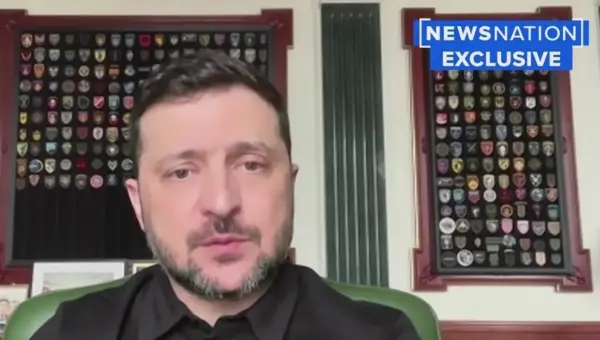
Russia Aids Iran with Intel, Weapons Amid Peace Talks
Ukrainian President Zelenskyy alleges Russia is sharing intelligence and weapons with Iran, a claim made amidst ongoing U.S.-led peace talks for Ukraine. This alleged cooperation between Moscow and Tehran raises concerns about regional stability and complicates peace efforts.

Ukraine Strikes Russian Oil Ports, Disrupting Exports
Ukraine's drone attacks on Russian Baltic Sea oil terminals have disrupted 40% of the country's oil exports. This strategic move aims to cripple Russian revenue streams. Meanwhile, President Zelenskyy seeks defense and financial aid from Gulf nations.