Germany Reverses Refugee Policy, Shifting Political Landscape
Germany is reversing its decade-old open-door refugee policy, aiming to send hundreds of thousands of Syrian refugees home. This decision by the ruling Christian Democrats aims to recapture anti-immigrant votes and reshape the country's fractured political landscape.


Germany Reverses Refugee Policy, Shifting Political Landscape
Germany is signaling a significant shift in its refugee policy, moving to send hundreds of thousands of Syrian refugees back to their home country. This change comes a decade after Chancellor Angela Merkel’s government opened the doors to over a million asylum seekers, a decision that deeply divided the nation and impacted its political system. The party in power then, Merkel’s Christian Democrats (CDU), is also the party leading the government today, but its stance on immigration has hardened considerably.
Merkel’s Open Door Policy and Its Aftermath
Ten years ago, Angela Merkel’s decision to welcome Syrian refugees was seen by many as a humanitarian act. However, it came at a political cost, weakening her party and its coalition partners. The influx of people, estimated at around 800,000, put a strain on social services and sparked public debate about integration and national identity. Many of these refugees were young men, and the transcript suggests they were not seen as a solution to Germany’s aging population and declining birth rates.
The Christian Democrats’ New Stance
Today, the Christian Democrats, led by current Chancellor Olaf Scholz’s coalition government, are adopting a different approach. They now state that it is time for many of these refugees to return home. This policy shift is expected to have a broad impact on Germany’s political scene. The CDU aims to recapture voters who have moved towards anti-immigrant parties, particularly the far-right Alternative for Germany (AfD).
Fracturing Politics and the Rise of Extremes
German politics has been splitting for years, with more people leaning towards the extreme left and extreme right. The AfD, in particular, has gained traction by focusing on anti-immigration sentiment. By repatriating refugees, the CDU hopes to neutralize the AfD’s main platform. This move could ease the pressure the AfD has exerted on the mainstream political system in recent years.
Economic Challenges and Demographic Concerns
Germany faces significant economic problems. Its manufacturing sectors are struggling with a shortage of young workers. The decision to send back hundreds of thousands of people who were part of the workforce presents a complex challenge. While the government may see this as a positive cultural step, it also means losing potential contributors to the economy. The demographic imbalance, with an aging population and low birth rates, remains a key concern for Germany’s future economic health.
Potential Impact and Future Scenarios
This policy change is likely to be controversial. Critics will point to the humanitarian aspect and the potential disruption for those being sent back. However, the government believes it will resonate with a significant portion of the German population. The success of this policy will be judged not only by its impact on the refugee community but also by its effect on Germany’s domestic politics and its ability to address economic and demographic challenges.
Global Impact
Germany’s decision to reverse its open-door refugee policy sends a strong signal across Europe and beyond. It suggests a growing trend among Western nations to tighten immigration controls and prioritize repatriation. This could influence the policies of other countries grappling with similar issues. It also raises questions about the long-term commitment to humanitarian aid and the responsibilities of nations in times of global displacement. The focus may shift from welcoming refugees to managing their return, impacting international cooperation on migration.
Historical Context
Germany’s approach to refugees has a complex history. The nation has grappled with its past, particularly its role during World War II, which has shaped its commitment to humanitarian values. Merkel’s 2015 decision was framed by some as a moral imperative, a way to atone for historical wrongs. The current reversal, however, reflects a shift in public mood and political priorities, moving away from that era’s idealism towards more pragmatic, national-interest-focused policies. This echoes earlier periods in European history where national concerns often outweighed international humanitarian considerations.
Economic Leverage
The economic implications are substantial. Germany’s economy relies on a steady supply of labor, especially in manufacturing. The departure of 800,000 people, many of whom were employed, could create new labor shortages. However, the government might argue that the cost of supporting a large refugee population outweighs the economic benefits, especially if integration proves difficult. The ability of Syria to absorb such a large number of returnees, and the conditions there, will also play a role in the success and humanitarian outcome of this policy.
Regional Alliances and Power Balances
This policy shift could affect Germany’s relationships with other EU member states. Some countries have been critical of Germany’s initial open policy and may view this reversal as a positive step towards burden-sharing. Others, particularly those with strong humanitarian traditions, might express concern. The move could also influence Germany’s standing within international organizations focused on refugee support and migration management. It signals a potential move towards more nationalistic immigration policies across the continent.
Future Scenarios
One scenario is that Germany successfully repatriates a large number of refugees, leading to a political boost for the CDU and a decline in support for the AfD. This could embolden other European nations to adopt similar policies. Another scenario is that the repatriation process proves difficult and inhumane, leading to international criticism and domestic backlash, potentially strengthening the AfD or other populist parties. A third possibility is that economic realities force Germany to reconsider its approach, perhaps by finding new ways to integrate refugees into the workforce, especially given the demographic challenges.
Source: Germany Repatriates Syrian Refugees #shorts (YouTube)

Related Articles
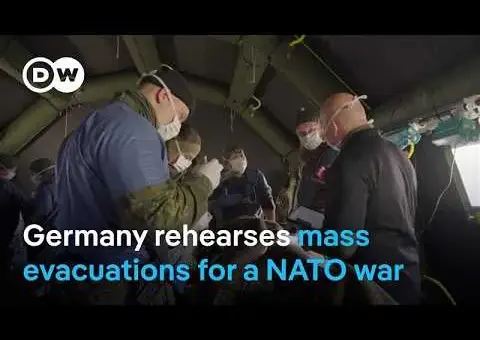
Germany Tests War Readiness: Can It Evacuate 1,000 Wounded NATO Soldiers Daily?
Germany recently held its largest medical exercise in decades, Quadriga 2026, to test its capacity to evacuate up to 1,000 wounded NATO soldiers daily from the alliance's eastern flank. The drill simulated real-world conditions, from battlefield injuries in Lithuania to hospital transfers across Germany, exposing both strengths and critical weaknesses in the nation's war readiness.

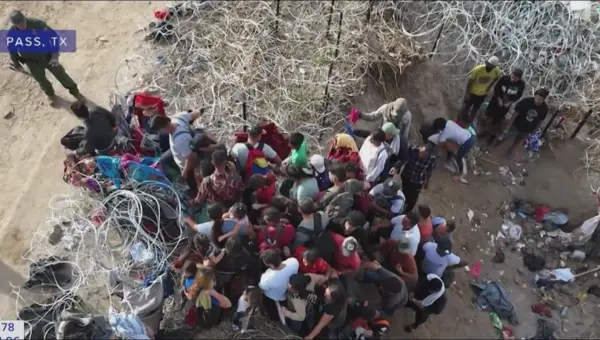
Border Loopholes Expose U.S. to Terrorist Infiltration Risk
U.S. border security faces significant challenges as stretched resources and gaps in international data sharing create potential vulnerabilities. Millions of individuals have been processed, with concerns that some may have entered without full vetting, raising national security alarms.


Syrians Face Harsh Reality Upon Return Home
Syrians returning to their homeland after years in exile are finding a country with severely damaged infrastructure and a high cost of living. Despite calls from European leaders for refugees to go home, returnees report a lack of basic services and persistent safety concerns, questioning the feasibility of mass repatriation.