Iran Conflict Escalates: US Strikes Intensify, Allies Divided
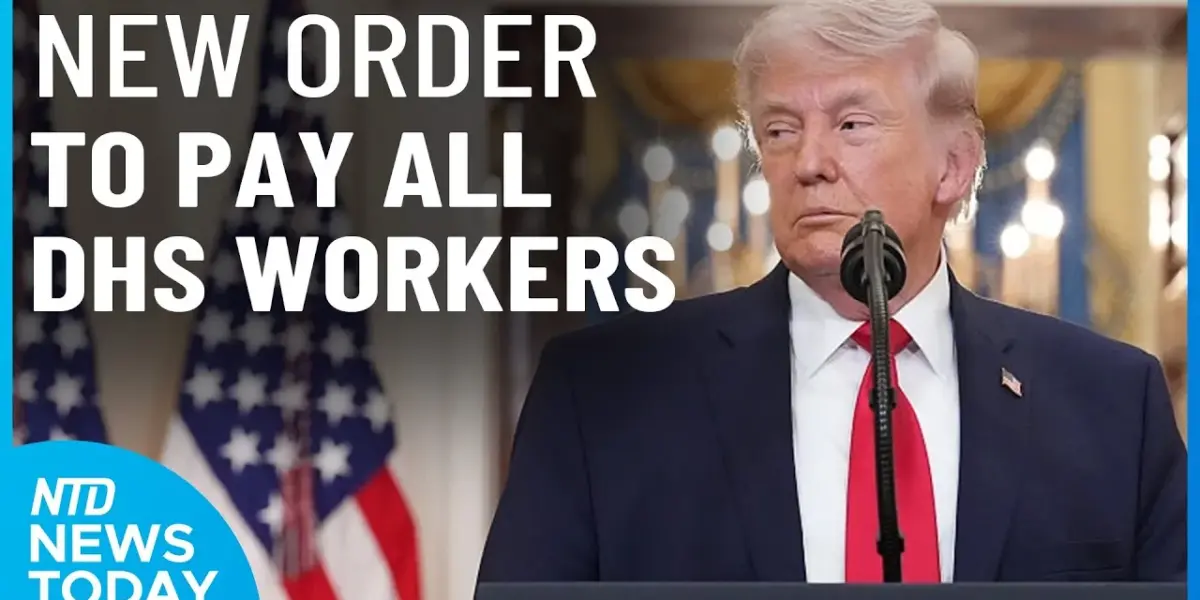
President Trump announced intensified US military strikes against Iran, aiming to achieve objectives within weeks while urging allies to secure the Strait of Hormuz. Domestically, plans are underway to pay DHS employees and bypass Democrats on immigration funding, while legal challenges loom over birthright citizenship.

Iran Conflict Escalates: US Strikes Intensify, Allies Divided
The ongoing conflict with Iran has reached a critical point, with President Trump announcing intensified US military strikes and a clear timeline for their conclusion. In a prime-time address, the President stated that the operation has achieved most of its military objectives and will continue forcefully for another two to three weeks. This strategy aims to bring Iran back to a perceived state of primitive development, according to his remarks.
President Trump emphasized the relatively short duration of this conflict compared to historical wars like Korea and Vietnam. He highlighted that the US has struck over 12,300 targets in Iran and asserted that the enemy has suffered immense losses. Despite these actions, Iran has escalated its rhetoric, questioning US intelligence and continuing attacks on regional allies. The US embassy in Iraq has issued an urgent warning for American citizens to evacuate the country.
US Stance on Strait of Hormuz and Energy Prices
A significant point of contention is the Strait of Hormuz, a vital shipping route. President Trump has stated that it is not the US’s responsibility to keep the strait open, calling on allies to take the lead. He believes that once the conflict ends, Iran will naturally reopen the strait to sell its oil and begin rebuilding, which he predicts will lead to a rapid drop in gas prices. The average price for gas in the US has surpassed $4 per gallon, a concern President Trump acknowledges as a short-term issue tied to the ongoing operation.
The North Atlantic Treaty Organization (NATO) is facing pressure to address the Strait of Hormuz situation. The NATO chief is scheduled to meet with President Trump, who has criticized allies for not contributing ships to secure the passage. He has even suggested the possibility of withdrawing from the alliance, signaling a potential shift in US commitment to European security if allies do not cooperate more closely on this issue.
International Response and Allied Discussions
In response to the US stepping back from direct involvement in securing the Strait of Hormuz, the United Kingdom is leading efforts to find a diplomatic solution. Over 40 countries, including France, Germany, Canada, the UAE, and India, have joined discussions. However, France’s President Macron has deemed using force to open the strait unrealistic, advocating for negotiations with Iran following a potential ceasefire.
Further discussions are planned with the G7 and Gulf Cooperation Council countries next week. Meanwhile, Russia has banned gasoline exports to stabilize its domestic market. In the north, Israel is engaged in conflict with Iran-backed Hezbollah, with Israeli forces reporting significant casualties among Hezbollah fighters and the destruction of their infrastructure.
Domestic Policy and Legal Challenges
On the domestic front, President Trump has pledged to sign an executive order ensuring that Department of Homeland Security (DHS) employees receive pay, despite the ongoing government shutdown. He expressed gratitude to Congressional Republicans for their unified plan to fund border patrol and immigration enforcement officers, while criticizing Democrats for their stance on border security.
A new Republican plan aims to bypass Senate Democrats on immigration funding. This strategy involves funding most of the DHS in the short term and then pursuing a party-line package for agencies like ICE and Customs and Border Protection in the coming months. This approach intends to remove Democratic leverage on immigration policy for the next three years.
In Florida, Governor Ron DeSantis signed an election bill requiring proof of citizenship to register to vote and specifying acceptable forms of identification at polling places, set to take effect in 2027. Meanwhile, the Supreme Court is hearing arguments on President Trump’s executive order to limit birthright citizenship, with justices questioning its compliance with the 14th Amendment and considering arguments related to domicile and jurisdiction. A ruling is expected by late June or July.
Why This Matters
The escalating conflict with Iran, coupled with shifting international alliances and domestic policy debates, presents a complex geopolitical picture. The US’s approach to the Strait of Hormuz and its pressure on NATO allies highlight a potential redefinition of global security partnerships. The economic implications, particularly regarding energy prices, remain a significant concern for American consumers.
Domestically, the focus on immigration enforcement and election integrity reflects deep divisions. The legal challenges surrounding birthright citizenship could have long-lasting effects on the definition of American citizenship. The interplay between foreign policy actions and domestic political strategies is a key trend to watch as the situation develops.
Implications, Trends, and Future Outlook
The current situation suggests a period of heightened geopolitical tension and potential realignment. The US appears to be pushing allies to take on greater responsibility in regional security, particularly concerning vital waterways like the Strait of Hormuz. This could lead to stronger regional security pacts or, conversely, further strain existing alliances like NATO.
The economic impact of the conflict, especially on oil prices, will likely remain a key factor influencing public opinion and policy decisions. Domestically, the ongoing debates over immigration and voting rights indicate a continued focus on these issues in the political arena. The Supreme Court’s decision on birthright citizenship will be a landmark ruling with significant implications for immigration law and constitutional interpretation.
Historical Context and Background
The current conflict with Iran echoes historical patterns of regional instability and US involvement in the Middle East. The Strait of Hormuz has long been a strategic chokepoint, with its security being a consistent concern for global energy markets. The debate over birthright citizenship is rooted in the post-Civil War era and the ratification of the 14th Amendment, intended to grant citizenship to formerly enslaved people.
The US’s relationship with NATO has evolved significantly since its inception, with ongoing discussions about burden-sharing and the alliance’s relevance in a changing global security environment. These historical contexts provide a backdrop for understanding the current challenges and potential future trajectories.
Source: Trump to Sign Order to Pay DHS Employees; U.S. Crude Oil Hits $110 | NTD News Today (April 2) (YouTube)

Related Articles

Iran’s Military Power Crushed, Trump Claims Victory
President Trump claims the U.S. is close to completing its strategic goals against Iran's military, stating its navy, air force, and missile programs are "destroyed" or depleted. He thanked Middle East allies for their cooperation in this effort.


US Iran Policy Shifts: Victory Redefined Amidst Empty Claims
US policy towards Iran is constantly shifting, moving away from clear goals like regime change to less defined objectives. Recent claims of destroying Iran's ancient military assets raise questions about actual progress, especially since Iran retains control over the vital Strait of Hormuz. This highlights a need for a more consistent and transparent foreign policy.

Trump Promises Iran War End in 3 Weeks
President Trump plans to conclude military operations in Iran within two to three weeks, vowing to hit the nation "extremely hard." The conflict has impacted gas prices, but the President expects a quick market recovery. European allies are urged to take more responsibility for securing vital shipping lanes.