Oil Surges Past $110, Iran Uses Crypto for Trade
Oil prices have surged past $110 a barrel amid rising geopolitical tensions, while Iran is reportedly exploring cryptocurrency and Yuan for oil payments. Increased crypto activity in Iran, driven by both citizens and the IRGC, highlights stablecoins as a safe haven, with a growing diversification into other major digital assets.

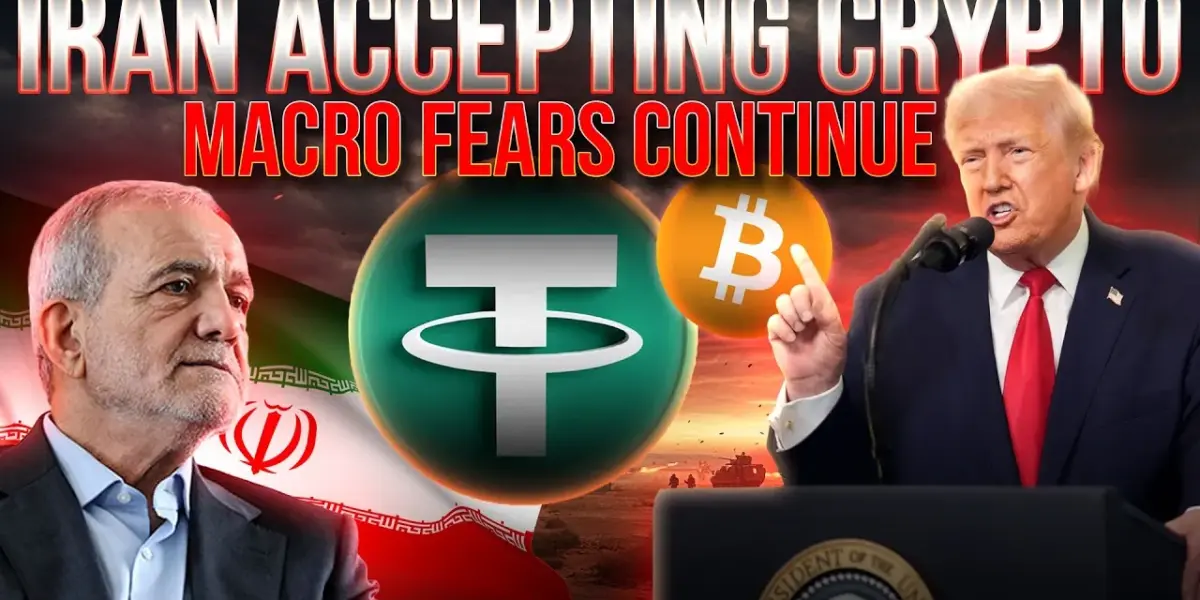
Oil Prices Spike as Geopolitical Tensions Rise
Global markets are feeling the heat as oil prices have surged past $110 a barrel, reaching highs not seen in years. This sharp increase, currently sitting around $112 a barrel, is largely driven by escalating geopolitical tensions in the Middle East. The situation has sparked concerns about further economic pressure and potential disruptions to global energy supplies.
Iran Explores Crypto and Yuan for Oil Payments
Amidst these market shifts, a notable development has emerged: Iran is reportedly allowing vessels to pay for oil and passage through its waters using cryptocurrencies or the Chinese Yuan. This move suggests a potential shift away from traditional U.S. dollar-based transactions, particularly for countries seeking alternative payment methods. While the specific cryptocurrencies are not fully detailed, the focus appears to be on stablecoins, which are digital tokens often pegged to stable assets like the U.S. dollar or gold. This strategy could offer Iran more flexibility in its international trade, especially under existing sanctions.
Crypto Activity in Iran Increases
On-chain data reveals a significant uptick in cryptocurrency usage within Iran. This surge is seen as a dual phenomenon: half of the activity reportedly comes from Iranian citizens seeking to protect their assets from the regime, while the other half is linked to the Islamic Revolutionary Guard Corps (IRGC) for weapons purchases and oil trade. Chain analysis firms are actively monitoring these transactions, noting that blockchain technology makes many crypto movements traceable. This visibility is crucial for intelligence gathering and enforcing sanctions. The trend shows a consistent rise in crypto activity since June 2023, with a notable increase following recent geopolitical events.
Stablecoins as a Safe Haven
In this volatile environment, stablecoins are emerging as a critical safe haven. Data indicates a shift in how Iranian users are engaging with cryptocurrencies. Initially, Tether (USDT) saw significant growth, peaking in October. However, there’s now an observable trend towards diversifying into other assets like Ethereum (ETH), Tron (TRX), Bitcoin (BTC), and Binance USD (BUSD). This diversification suggests a maturing approach to crypto usage, even in challenging economic circumstances. The liquidity and accessibility of major cryptocurrencies like Bitcoin and Ethereum make them key players in this evolving market.
Market Reactions and Economic Concerns
The surge in oil prices is having a ripple effect across global financial markets. The S&P 500 experienced a significant drop, erasing billions in market value, as investors reacted to the increased economic uncertainty. Analysts warn that if the current conflict persists through June, oil prices could potentially reach $200 a barrel, leading to gasoline prices of around $7 per gallon in the United States. Such a scenario would place immense pressure on the U.S. economy, impacting inflation and consumer spending. The interconnectedness of the global oil market means that price increases are felt worldwide, with Asian markets already experiencing higher prices.
Tariffs and Trade Policies Add Pressure
Adding to the economic strain, the U.S. is reportedly considering further tariffs on steel and aluminum products. This move could increase costs for domestic companies that rely on these materials and potentially lead to retaliatory measures from other countries. These trade policies, combined with rising energy costs, create a challenging environment for businesses and consumers alike.
Political and Regulatory Developments
In domestic political news, Pam Bondi has reportedly departed from her role. This change comes as political figures discuss budget allocations and defense spending. There are significant debates surrounding the U.S. budget, with the Pentagon requesting substantial funds for defense initiatives. Meanwhile, some lawmakers are questioning the allocation of resources, advocating for domestic priorities like childcare and healthcare. The upcoming release of the fiscal year 2027 budget is anticipated, with potential cuts to domestic agencies and entitlements being a point of concern.
Insider Trading Allegations Surface
Concerns have also been raised regarding potential insider trading activity. Reports suggest unusual trading volumes in S&P 500 E-mini futures and crude oil futures occurred shortly before significant geopolitical announcements. These transactions, reportedly resulting in substantial profits, have led to calls for greater transparency and scrutiny of market activities. The timing of these trades, occurring just before official statements, has fueled speculation about individuals profiting from non-public information.
The Future of Crypto Regulation
The evolving use of cryptocurrency in international trade and the ongoing market volatility highlight the urgent need for regulatory clarity. Discussions are ongoing about how to manage the intersection of digital assets, global finance, and geopolitical events. The potential for increased regulation or specific policies targeting crypto usage in sanctioned economies remains a key area to watch. The upcoming midterm elections are also seen as a critical juncture, with the outcome potentially influencing the direction of crypto-friendly legislation.
Source: Macro Fears Return🚨Iran Using Crypto🔥Pam Bondi FIRED! (YouTube)

Related Articles


US Iran Policy Shifts: Victory Redefined Amidst Empty Claims
US policy towards Iran is constantly shifting, moving away from clear goals like regime change to less defined objectives. Recent claims of destroying Iran's ancient military assets raise questions about actual progress, especially since Iran retains control over the vital Strait of Hormuz. This highlights a need for a more consistent and transparent foreign policy.
Ukraine Eyes Moscow with New Ballistic Missiles
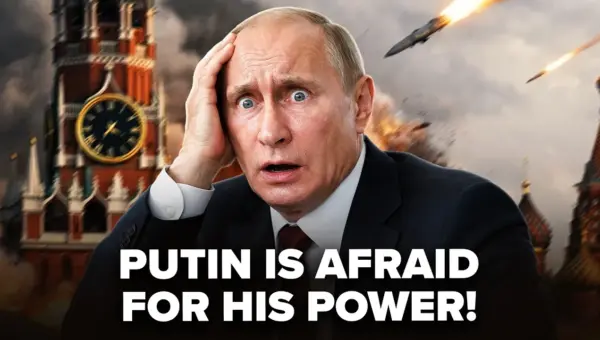
Ukraine is developing ballistic missiles with an 850km range, potentially capable of striking Moscow by summer. This capability aims to equalize the battlefield and could influence Russian public opinion and political calculations, while President Putin's reduced public activity suggests internal pressures.


Trump’s Iran Gamble: A Venezuelan Fantasy?
Donald Trump's praise for U.S. actions in Venezuela as a model for Iran may reveal a naive oversimplification of foreign policy. Detailed military and economic planning, crucial for success, seemed to be sidelined in favor of an optimistic, yet potentially flawed, approach.