Ukraine Eyes Moscow with New Ballistic Missiles
Ukraine is developing ballistic missiles with an 850km range, potentially capable of striking Moscow by summer. This capability aims to equalize the battlefield and could influence Russian public opinion and political calculations, while President Putin's reduced public activity suggests internal pressures.

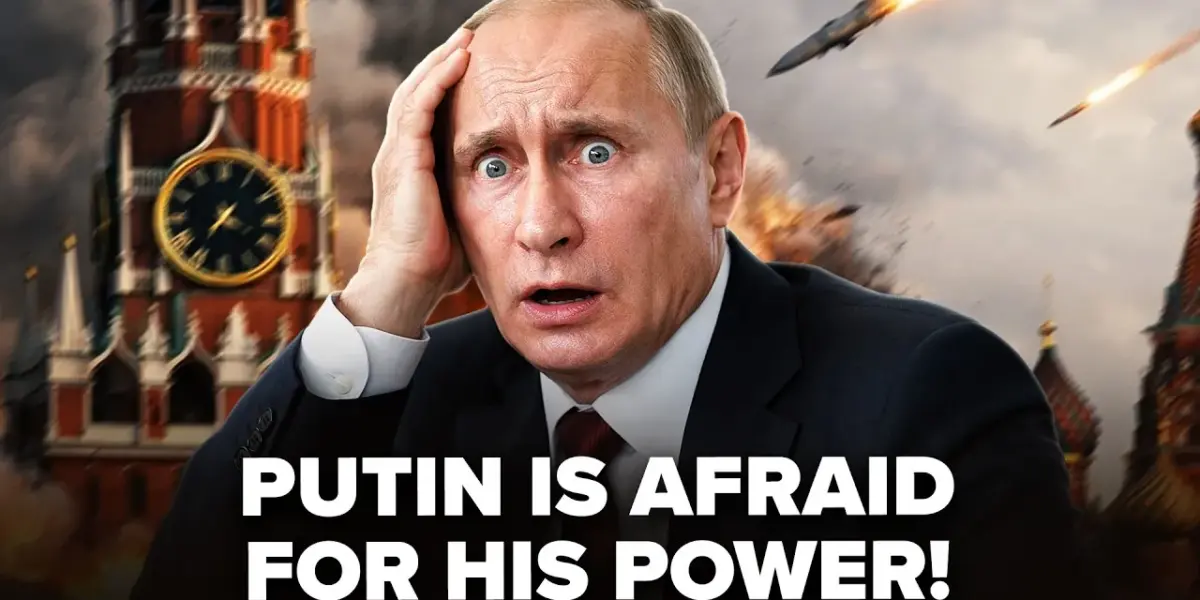
Ukraine Readies Long-Range Missiles for Moscow Strikes
Ukraine is preparing to deploy domestically developed ballistic missiles capable of reaching Moscow as early as this summer. According to a designer from the Ukrainian company Fire Point, the missile boasts a range of up to 850 kilometers. This development marks a significant shift in Ukraine’s offensive capabilities, potentially altering the strategic calculations of both sides in the ongoing conflict.
Military Capabilities and Targets
The designer, identified as Mr. Stillerman, stated that up to 20 such missiles could be launched. He also noted that intercepting these missiles would be extremely difficult for Russia’s air defense systems. Even advanced systems like the Patriot, he suggested, would face considerable challenges in defending against this specific type of ballistic missile.
While the possibility of striking Moscow has been raised, the focus is expected to be on military targets within the Russian capital’s vicinity. These could include missile production facilities, military engineering institutions, and vital oil and energy infrastructure. The intention, according to the strategist, is not to target the Kremlin directly but to disrupt Russia’s war-making capabilities.
Strategic Impact on the Battlefield
The introduction of these long-range ballistic missiles could fundamentally change the nature of the war. For the first time, major Russian cities like Moscow and St. Petersburg, previously considered unreachable by Ukrainian weapons due to strong air defenses, could become vulnerable. This capability addresses a key disparity, as Russia has possessed ballistic missile technology throughout the full-scale invasion.
The ability to strike deep within Russia is seen as an ‘equalizer’ rather than a decisive ‘game-changer.’ It aims to prevent Russia from hiding its military production and infrastructure within its major urban centers. In response to this evolving threat, reports indicate that Russia has already begun moving some missile production facilities away from Moscow, relocating them to Siberia.
Shifting Public Opinion and Political Calculations
Beyond military objectives, the potential for strikes on Moscow and St. Petersburg could have a profound impact on Russian public opinion. Political leaders in Russia, it is argued, are particularly concerned about the morale and reaction of the populations in these major cities. Unlike citizens in more remote or frontline regions, those in Moscow and St. Petersburg are seen as influential.
A similar effect was observed following Ukraine’s development of long-range drones in 2023. Strikes on targets within Moscow at that time reportedly influenced public sentiment. The current anticipation is that consistent strikes by ballistic missiles would force a change in how the war is perceived by the Russian populace.
Internal Russian Dynamics and Putin’s Public Presence
The strategist also noted a significant decrease in Russian President Vladimir Putin’s public appearances since the beginning of the year. This reduction, more than 50% compared to the previous year, has coincided with a shift away from military-related engagements. Putin has not appeared in military uniform this year and has had no meetings with military personnel or headquarters, unlike last year.
His public engagements are now primarily focused on economic matters. This change suggests a potential lack of progress on the battlefield and a possible decline in his public standing when associated with military leadership. There are also suggestions of internal anxieties within the Russian military and political elite, with some former officials expressing concerns about the current military situation and the safety of regions within Russia.
Propaganda Shift and Economic Pressures
Even Russian state-controlled media figures and loyalists are reportedly beginning to voice criticism, acknowledging military and economic setbacks. President Putin himself recently acknowledged a decline in Russia’s GDP, a departure from previous official narratives that typically shielded the leader from delivering bad news.
These internal pressures are compounded by economic challenges and increasing state control over information. Russia has been restricting internet access and banning various communication platforms, including some Russian-produced messengers. This move towards a more controlled information environment and the disruption of daily life, such as limitations on mobile internet access in major cities, is reportedly affecting the quality of life for the middle and upper classes, potentially fueling discontent.
International Relations and US Policy
Regarding international relations, the discussion touched upon Russia’s perceived isolation. While acknowledging that Russia is not entirely isolated, the strategist emphasized that this is not due to official delegations but rather ongoing, albeit sometimes informal, diplomatic processes. The ability of Russian officials under sanctions to temporarily have sanctions lifted for visits to the United States is seen as an example of these complex, behind-the-scenes interactions.
The conversation also briefly addressed perceived inconsistencies in US foreign policy, particularly concerning Iran. The strategist highlighted instances where former President Trump’s statements on foreign policy, such as linking current actions to historical events like the 1983 Beirut barracks bombing, have required explanation by his own team. Market reactions, such as rising oil prices after a speech, were cited as indicators of a lack of confidence in these pronouncements.
Source: ⚡️Putin was shaken! Ukrainian ballistic missiles aimed at Moscow. The end of Kremlin regime (YouTube)

Related Articles

Trump Promises Iran War End in 3 Weeks
President Trump plans to conclude military operations in Iran within two to three weeks, vowing to hit the nation "extremely hard." The conflict has impacted gas prices, but the President expects a quick market recovery. European allies are urged to take more responsibility for securing vital shipping lanes.
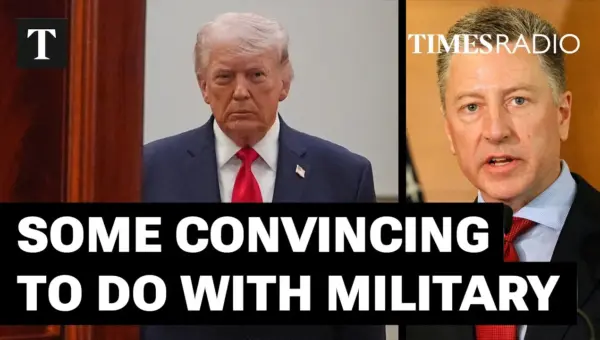
Trump’s NATO Threats Spark Global Unease, Ex-Envoy Warns
Former Ambassador Kurt Volker warns that President Trump's questioning of NATO and the ongoing conflict with Iran are creating global instability. The war's unclear outcome benefits Russia and potentially China, while straining U.S. relations with European allies. Volker suggests Trump's NATO threats are a tactic to pressure allies, but legal and political hurdles make withdrawal difficult.

Russia’s Battlefield Slowdown Signals Shifting War Dynamics
Russia faces mounting pressure on multiple fronts as its military gains in Ukraine stall and its economy strains. Moscow's claims of victory are contradicted by battlefield realities, escalating casualties, and diminishing territorial returns. President Putin's leadership is increasingly isolated both domestically and internationally.