Teen Filmmaker Challenges Censorship Through History
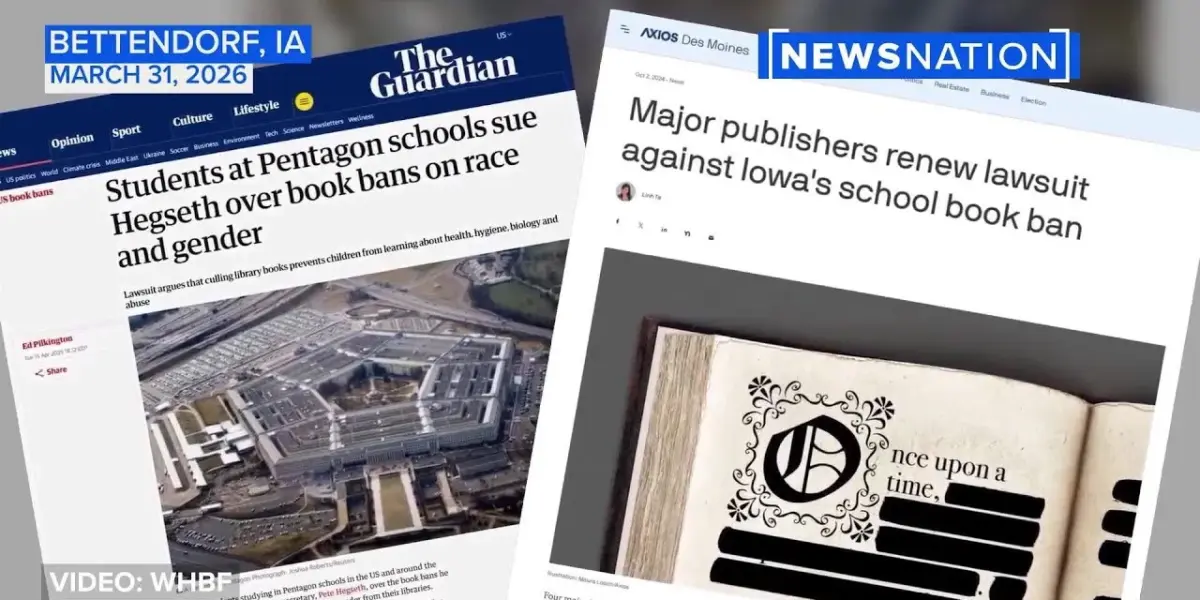
A 14-year-old filmmaker, Adrien Gillette, earned national recognition for his documentary on the landmark Supreme Court case *Board of Education, Island Trees School District v. Pico*. His film, *Freedom on Trial*, explores the fight against book banning and its impact on students' access to information. Adrien's work, recognized at the National History Day competition, highlights the importance of historical understanding in addressing contemporary issues of censorship and free expression.

Teen Filmmaker Challenges Censorship Through History
A 14-year-old filmmaker named Adrien Gillette has gained national recognition for his documentary about a historic book banning case. His film, Freedom on Trial, explores the legal battle when a school board removed 11 books from school libraries. The case went all the way to the Supreme Court.
Adrien’s documentary focused on Steven Pico, the person who took the school board to court. Pico wanted to show that it is possible to fight against such actions and win. Adrien wanted to understand how these issues developed over time.
He entered his film into the National History Day competition, a program that helps students explore historical topics. Adrien’s work made it to the top three in the national finals. This led to a special opportunity for him.
A Meeting with a Legend
The top three students from the national competition were invited to a special event. They received their awards in a large stadium. After the ceremony, Adrien and the other top documentarians had a Zoom meeting with Ken Burns. Burns is a very famous documentary filmmaker known for his work on American history.
During the meeting, Adrien asked Burns for advice on interviewing people. He explained that he sometimes had trouble getting his interview subjects to relax. Ken Burns told Adrien that choosing a topic you truly care about is very important for filmmaking.
Reflecting on Past Mistakes
Adrien is still deciding if he wants to become a professional filmmaker. He feels he has plenty of time to make that decision. His current success, however, highlights the importance of his film’s subject matter.
Adrien believes it is crucial for people to continue discussing book banning. He feels it is important to learn from the past to avoid repeating mistakes. His award-winning film serves as a reminder of these ongoing challenges.
Global Impact
While Adrien’s film focuses on a specific American legal case, the themes of censorship and intellectual freedom resonate globally. Many countries grapple with debates over what content is appropriate for schools and public libraries. These discussions often involve balancing community values with the right to access information.
The success of a young filmmaker bringing attention to such issues shows the power of individual voices. It demonstrates how historical understanding can inform present-day debates. Adrien’s work contributes to a broader conversation about the importance of free expression and the potential dangers of censorship.
Historical Context
The case Adrien documented, known as Board of Education, Island Trees School District v. Pico, was decided by the Supreme Court in 1982. The court ruled that school boards could not remove books from libraries simply because they disagreed with the ideas contained in those books. This decision affirmed students’ First Amendment rights to receive information and ideas.
Book banning efforts have a long history in the United States and elsewhere. Throughout history, various groups have sought to restrict access to certain materials they deem objectionable. These efforts often reflect societal anxieties or attempts to control public discourse.
Economic Leverage and Influence
While Adrien’s documentary doesn’t directly address economic factors, censorship can have economic implications. Limiting access to information can stifle innovation and critical thinking, which are vital for economic growth. Furthermore, the publishing industry and educational institutions are economic players affected by decisions about content availability.
The debate over book access also touches on the economics of education. Decisions about library funding and curriculum development have financial consequences for schools and communities. Adrien’s focus on the legal and ethical aspects of censorship provides a foundation for understanding these broader societal impacts.
Regional Alliances and Power Balances
Book banning debates can sometimes reflect regional or political divides within a country. Different communities may have varying views on acceptable content, leading to localized conflicts. These debates can also influence national conversations about education policy and freedom of speech.
Adrien’s film brings attention to a national legal precedent. It underscores how legal battles can shape the balance of power between local school boards and the rights of students. The film encourages a national dialogue on these important issues.
Future Scenarios
One possible future scenario is that more young people will be inspired by Adrien’s work to explore historical issues through filmmaking. This could lead to a new generation of documentaries that shed light on important social and political topics. Such efforts could foster greater civic engagement and historical awareness.
Another scenario is that the issues raised by the Pico case will continue to be debated in courts and communities. Efforts to restrict access to books may persist, requiring ongoing vigilance and advocacy. Adrien’s film serves as a valuable tool in this continuing struggle for intellectual freedom.
The story of Adrien Gillette’s documentary highlights the enduring relevance of historical events. It shows how young people can play a significant role in shaping public understanding and encouraging critical thought.
Source: Middle school student receives recognition for documentary (YouTube)

Related Articles

Iran’s Regime Faces Pressure as US Focuses Inward
The U.S. faces a dual challenge: navigating complex foreign policy in Iran while grappling with deep domestic political divisions. The administration's strategy towards Iran is under scrutiny, with questions about its clarity and effectiveness. Simultaneously, the Supreme Court is hearing a pivotal case on birthright citizenship, potentially reshaping constitutional law.


Birthright Citizenship: Is the 14th Amendment Outdated?
The 14th Amendment's guarantee of birthright citizenship is under intense debate. Panel guests discuss whether the long-standing interpretation is outdated and explore the practical challenges and historical context surrounding this core American principle.


AG Battles Attorney Over Trump SCOTUS Visit Impact
A Supreme Court case on birthright citizenship is sparking debate. Legal experts clash over former President Trump's attendance at oral arguments and California AG Rob Bonta's criticisms. The ruling, expected by June, could impact immigration policy and labor markets.