Trump’s Iran Gamble: A Venezuelan Fantasy?
Donald Trump's praise for U.S. actions in Venezuela as a model for Iran may reveal a naive oversimplification of foreign policy. Detailed military and economic planning, crucial for success, seemed to be sidelined in favor of an optimistic, yet potentially flawed, approach.

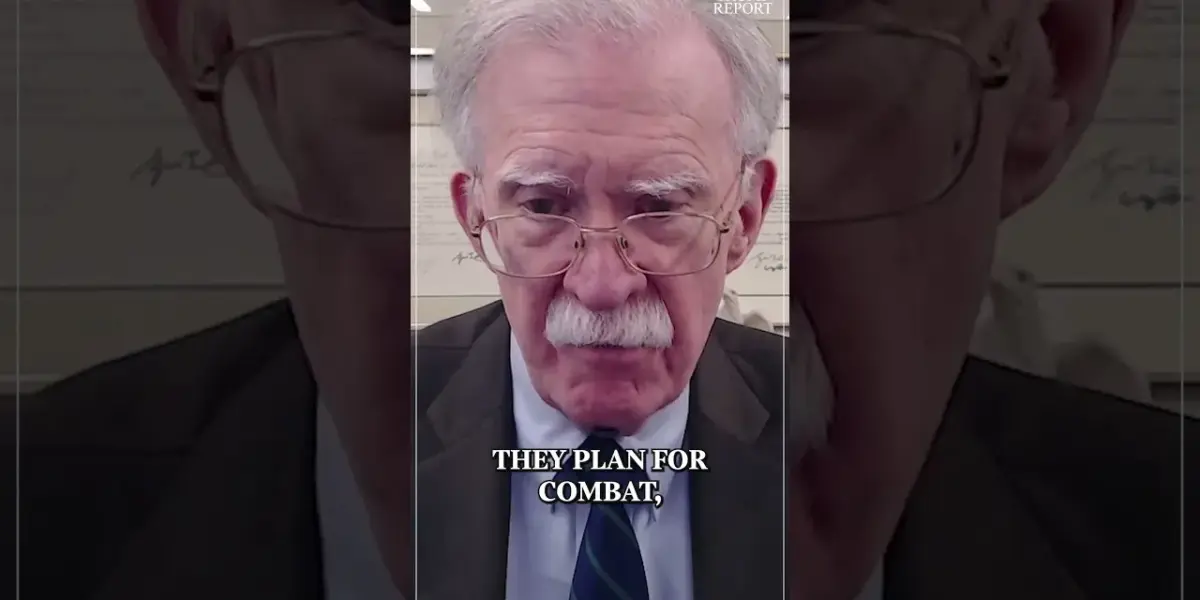
Trump’s Iran Gamble: A Venezuelan Fantasy?
Former President Donald Trump recently praised a military operation in Venezuela as a model for dealing with Iran. He described the action as “quick, lethal, violent, and respected by everyone all over the world.” This statement suggests a belief that a similar approach could yield swift and positive results in Iran. However, this view raises serious questions about whether Trump underestimated the complexities of the Iranian regime and its geopolitical position.
The idea of using Venezuela as a blueprint for Iran implies a hope for a rapid collapse of the Iranian government following a decisive U.S. action. This strategy would likely involve targeting top leadership, expecting immediate regime downfall, and anticipating minimal U.S. casualties, all while earning international praise. This vision, however, appears to be a significant oversimplification of the challenges involved.
Pentagon’s Prudent Planning
Within the Pentagon, military planning is a meticulous process. When any military action is proposed, defense officials are trained to identify every potential risk and develop strategies to mitigate them. This includes anticipating the adversary’s responses and planning counter-moves, a critical step for ensuring operational success. It’s their job to think through the ‘what ifs’ and prepare accordingly.
This careful, detailed planning process is standard procedure, especially when not actively engaged in combat. The goal is to be ready for any eventuality. The contrast with the approach to Iran seems stark, suggesting a potential lack of similar thorough preparation or a disregard for the warnings that such planning would likely uncover.
Economic Advisors’ Unheeded Warnings
Trump’s top economic advisors, including those in the Treasury and Commerce departments, should have been considering the economic fallout from potential actions against Iran. For instance, they should have analyzed the impact of Iran potentially closing the Strait of Hormuz, a vital shipping lane for oil. Such a move would undoubtedly disrupt global oil prices, creating significant economic challenges.
The transcript suggests that Trump himself expressed surprise when Iran did indeed disrupt shipping and attacked Gulf Arab neighbors. This indicates a potential disconnect between the President’s expectations and the assessments of his own administration. If economic advisors had thoroughly analyzed these risks, such surprises might have been avoided, or at least better prepared for.
Historical Context: Regime Change in Iran
Discussions about regime change in Iran are not new for U.S. administrations. During Trump’s first term, the idea of pursuing regime change in Iran was considered but ultimately not adopted. This prior consideration suggests that the complexities and potential consequences were recognized, even if a decision was deferred.
The situation in Venezuela, while involving U.S. pressure and sanctions, has not resulted in the kind of immediate regime collapse that Trump’s rhetoric might imply for Iran. Venezuela has faced severe economic and political crises, but its government has largely remained in power despite international efforts to oust it. This comparison highlights a potential flaw in Trump’s model: what works, or doesn’t work, in one context may not translate to another.
Why This Matters
The way a president approaches foreign policy, especially concerning potential military action and regime change, has profound implications. It affects international stability, U.S. credibility, and the safety of American service members and citizens. A reliance on overly simplistic models or a dismissal of expert warnings can lead to miscalculations with severe consequences.
Understanding the different dynamics between countries like Venezuela and Iran is crucial. Iran possesses a more deeply entrenched regime, a larger and more complex economy, and a more significant regional influence than Venezuela. Applying a strategy that failed to achieve its ultimate goals in Venezuela to the much more challenging Iranian context could lead to prolonged conflict, increased instability, and unintended escalations.
Implications and Future Outlook
Trump’s apparent belief in a simple, swift resolution for Iran, possibly inspired by his view of the Venezuela situation, suggests a potential readiness to overlook the intricate realities of international relations. This approach risks underestimating adversaries and overestimating the effectiveness of U.S. power without careful, comprehensive planning and understanding.
The future outlook depends on whether U.S. foreign policy continues to prioritize nuanced analysis and thorough preparation over potentially simplistic or wishful thinking. A more effective approach would involve engaging with the complexities of each nation’s political, economic, and social landscape, and developing strategies based on realistic assessments rather than idealized models. Ignoring expert advice and the lessons of history could lead to repeated mistakes on the global stage.
Source: Did Trump think Iran would be another Venezuela — and get it completely wrong? (YouTube)

Related Articles
Iran Claims Jet Downed, Escalates Regional Attacks
Iran claims it shot down a U.S. fighter jet, marking a significant escalation in regional tensions. The U.S. has been targeting Iranian infrastructure, while Iran and its allies have launched retaliatory strikes across the Middle East, impacting oil facilities and causing injuries. The critical Strait of Hormuz remains a key point of contention.
Trump Escalates Iran Tensions, Targets Infrastructure
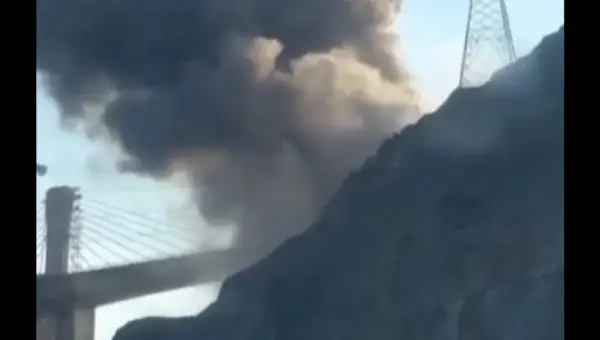
President Trump has warned of intensified strikes against Iran, targeting infrastructure like bridges and power plants. This strategy aims to pressure the regime into peace talks, though Iranian officials condemn it as an attack on civilian life. U.S. officials state the strikes target military supply routes to undermine Iran's capabilities.

Trump’s NATO Insults Spark Global Outrage, Allies Push Back
Former U.S. President Donald Trump's leaked private remarks, filled with insults aimed at NATO allies, have sparked international outrage and calls for European self-reliance. The comments highlight growing concerns about U.S. reliability and the potential for a long-term split in transatlantic relations. The discussion also touched upon domestic UK issues, including NHS strikes and political shifts, alongside a unique debate on marmalade regulations.