Trump’s NATO Threats Spark Global Unease, Ex-Envoy Warns
Former Ambassador Kurt Volker warns that President Trump's questioning of NATO and the ongoing conflict with Iran are creating global instability. The war's unclear outcome benefits Russia and potentially China, while straining U.S. relations with European allies. Volker suggests Trump's NATO threats are a tactic to pressure allies, but legal and political hurdles make withdrawal difficult.

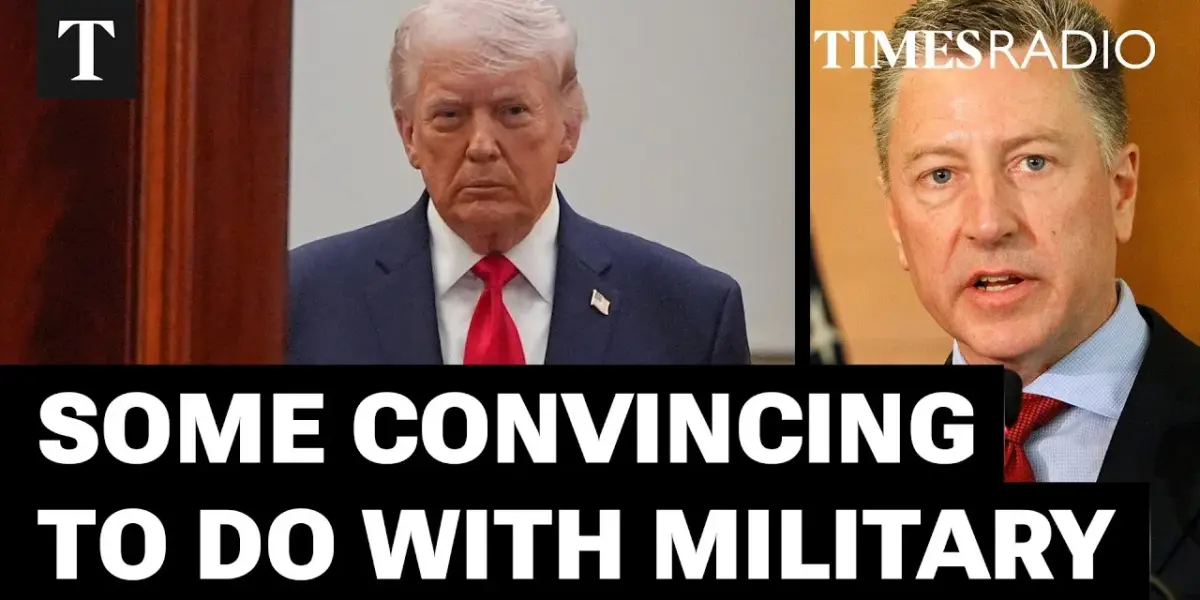
Trump’s NATO Doubts Create Global Uncertainty
The United States faces growing global unease as President Trump continues to question the value of NATO, the cornerstone of Western security for decades. Former Ambassador Kurt Volker, speaking on a recent broadcast, highlighted the significant risks and ripple effects of these pronouncements. He warned that Trump’s rhetoric on leaving NATO, while perhaps intended to pressure allies, creates dangerous instability. This uncertainty comes at a time when global challenges, including conflicts in the Middle East and Ukraine, demand strong international cooperation.
Iran Conflict’s Unclear Victory and Global Costs
Volker challenged the notion that the ongoing conflict with Iran is an “unambiguous success,” stating plainly that the war is far from over. While military targets have been hit, Iran still possesses the ability to disrupt global shipping in the Persian Gulf and drive up oil prices. This prolonged instability, Volker explained, has had unintended consequences. Oil prices have surged, directly benefiting Russian President Vladimir Putin and providing him with an estimated extra $5 billion per month for his war in Ukraine. This situation is also pushing Middle Eastern states to seek alternative partners, as they feel unprotected by current U.S. policies.
European Allies Growing Distant
A major concern raised by Ambassador Volker is the widening rift between the U.S. and its European allies. Initially, European nations were hesitant but largely silent on the conflict. However, Trump’s public criticism of them for not joining what he called an “ambiguous” fight has led to deeper divisions. Neither side has fully committed to a clear path forward, resulting in a cycle of threats and counter-threats. This has fueled Trump’s renewed discussions about withdrawing from NATO, a move Volker believes is unlikely but highly damaging to ongoing dialogue.
The NATO Exit Dilemma: Legal and Political Hurdles
The possibility of the U.S. leaving NATO, though seemingly remote, faces significant legal and political obstacles. Ambassador Volker pointed out that such a move would encounter strong opposition from both the American public and Congress, across both Republican and Democratic parties. He cited a 2024 Senate legislation, co-sponsored by Senator Marco Rubio, which requires a two-thirds Senate vote for the president to unilaterally withdraw from NATO. While Trump could contest this, any legal battle would likely go to the Supreme Court, potentially taking years to resolve. This legal uncertainty, combined with domestic political opposition, makes a full withdrawal less probable than other actions.
Trump’s Strategy: Threats to Force Action
Volker suggested that Trump’s threats regarding NATO are primarily a tactic to “rattle people” and pressure European allies into increasing their contributions. He believes Trump wants European nations to take a greater role in securing shipping in the Persian Gulf, allowing the U.S. to reduce its involvement. This strategy of using threats aims to elicit a desired response from allies, rather than signaling a genuine intent to dismantle the alliance. The goal, according to Volker, is to make others act, particularly in addressing the security of the Gulf shipping lanes.
China Poised to Gain from U.S. Global Retreat
The implications of U.S. disengagement from global security extend beyond immediate conflicts. Ambassador Volker warned that China stands to gain significantly if the U.S. diminishes its role. With Iran potentially controlling shipping in the Persian Gulf, much of that trade could flow to China. This could lead to closer Sino-Iranian relations and China emerging as a key mediator in the region. As Pakistan, a Chinese ally, relies heavily on Qatari gas, this shift would weaken U.S. influence in a vital geopolitical area for the foreseeable future.
A ‘Nightmare Scenario’ for Global Stability
The current crisis presents a stark choice: either the current Iranian regime is removed, or the U.S. must negotiate with it, potentially at a high cost. A scenario where Iran remains in power and effectively controls Persian Gulf shipping, perhaps even “selling tickets” for passage, is described by Volker as a “nightmare scenario.” This would mean increased revenue for Iran, rendering military escorts less relevant and placing global trade at Iran’s mercy. The benign outcome, Volker noted, would be the removal of the current Iranian regime, allowing for a new government to emerge and potentially work with the international community, though he acknowledged this remains a difficult and risky prospect.
Looking Ahead: Navigating Global Power Shifts
As President Trump continues to challenge long-standing international alliances and engage in complex geopolitical conflicts, the world watches closely. The coming months will be critical in determining whether diplomatic efforts can de-escalate tensions in the Middle East and whether European allies can find common ground with the U.S. on security matters. The potential for shifting global power dynamics, particularly the rise of China, adds another layer of complexity to an already volatile international landscape. The ability of global leaders to manage these intertwined challenges will shape the future of international security and economic stability.
Source: Trump Will Have To Convince Military Officials Leaving Nato Is A Good Idea | Kurt Volker (YouTube)

Related Articles
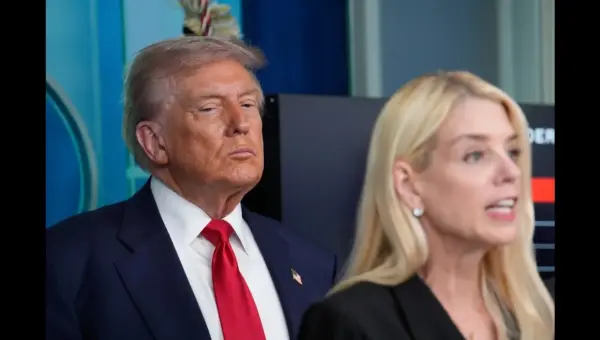
Trump Fires Bondi: A Loyalty Test Ends in Public Humiliation
Pam Bondi's dismissal as Attorney General by Donald Trump was reportedly a "dramatic showdown," not a quiet transition. Accusations of an "unforgivable offense" and alleged interference in the Epstein files controversy fueled the conflict. The incident highlights a pattern of demanding loyalty and then discarding allies when they are no longer useful.

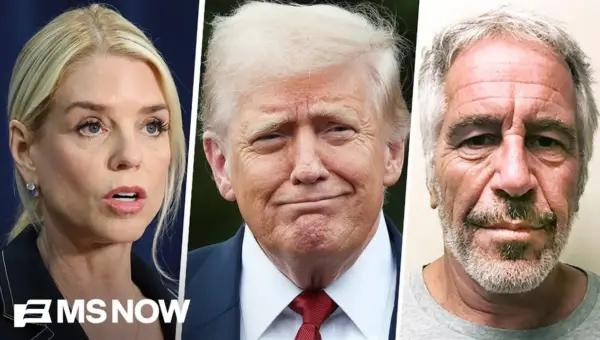
Trump Ousts Bondi Amid Epstein Probe, Congress Demands Answers
Congressman Seth Moulton claims President Trump removed Pam Bondi from her position due to her impending deposition in the Jeffrey Epstein case. The conversation also addressed the escalating conflict with Iran, with Moulton criticizing the administration's strategy and calling for transparency.

Russia’s Battlefield Slowdown Signals Shifting War Dynamics
Russia faces mounting pressure on multiple fronts as its military gains in Ukraine stall and its economy strains. Moscow's claims of victory are contradicted by battlefield realities, escalating casualties, and diminishing territorial returns. President Putin's leadership is increasingly isolated both domestically and internationally.