Trump Fires Bondi: A Loyalty Test Ends in Public Humiliation
Pam Bondi's dismissal as Attorney General by Donald Trump was reportedly a "dramatic showdown," not a quiet transition. Accusations of an "unforgivable offense" and alleged interference in the Epstein files controversy fueled the conflict. The incident highlights a pattern of demanding loyalty and then discarding allies when they are no longer useful.

Trump Fires Bondi: A Loyalty Test Ends in Public Humiliation
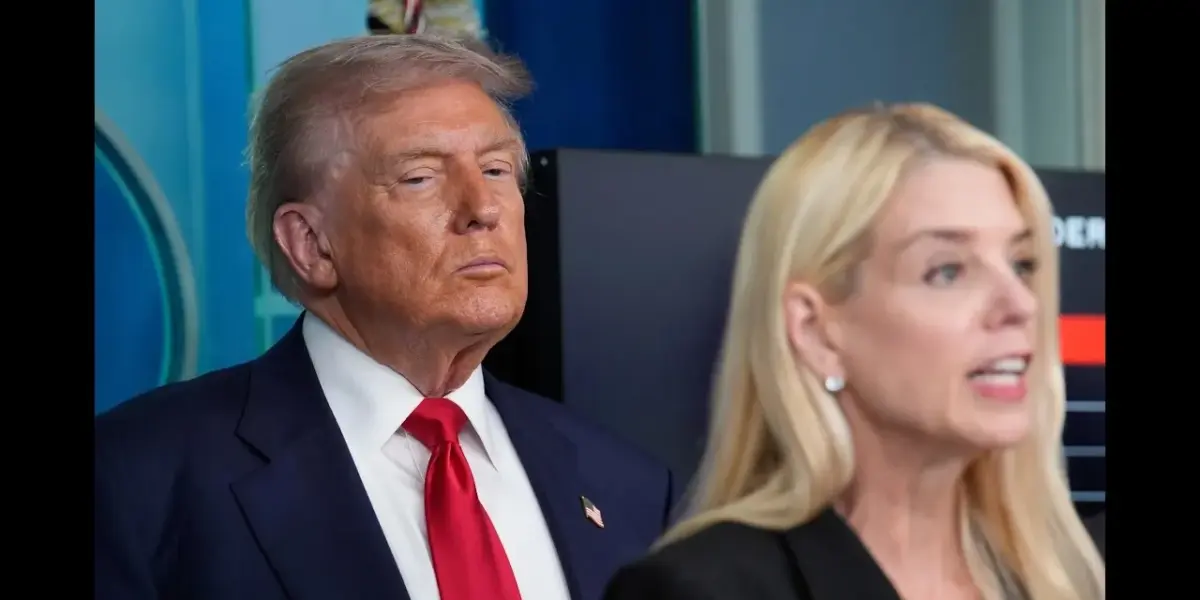
In a move that sent shockwaves through Washington, Donald Trump has fired Pam Bondi from her position as Attorney General. The announcement, made via a social media post, painted a picture of a patriotic departure. Trump praised Bondi as a “great American patriot and a loyal friend” who did a “tremendous job” overseeing a crime crackdown. He stated she would transition to a “much-needed and important new job in the private sector.” However, behind this official statement lies a much more dramatic story.
A “Dramatic Showdown” and an “Unforgivable Offense”
Reports from the Daily Mail suggest Bondi’s dismissal was not a smooth transition but a “dramatic showdown” at the White House. According to sources, Bondi reportedly “begged Donald Trump not to fire her” after he accused her of an “unforgivable offense.” This confrontation occurred shortly before Trump’s major address on the Iran war, marking Bondi as the second cabinet casualty in less than a month, following Christine Blasey Ford’s departure amid controversy over the Epstein files.
An administration official told the Daily Mail that Bondi pleaded for more time, but Trump was firm. “She was unhappy and tried to change his mind,” a source said. The announcement, initially planned for Friday, was rushed forward due to widespread media speculation. The exact nature of the “unforgivable offense” remains a subject of intense reporting. The Daily Mail suggests Trump believed Bondi tipped off Congressman Eric Swalwell about the FBI’s efforts to release documents related to his connection with an alleged Chinese spy. The White House reportedly felt Bondi was interfering due to her personal friendship with Swalwell.
Bondi’s Role: Serving Trump, Not the People
The analysis presented argues that Bondi’s actions and ultimate firing are less about her personal failings and more about Donald Trump’s style of leadership. The core argument is that Bondi served not the American people, the law, or the Constitution, but Donald Trump himself. This is supported by her own words shortly after confirmation, where she told Department of Justice lawyers that their job was to “zealously advance, protect, and defend the policies of the United States as set by the president.” The transcript emphasizes that she did not mention the law or the Constitution, only the president’s policies.
This perspective suggests Bondi ran the Justice Department as Trump’s personal instrument. Examples cited include firing career prosecutors, overriding judges, and placing Trump loyalists in US attorneys’ offices, all allegedly at Trump’s direction. Her legacy, according to this view, is tied to the Epstein situation, where she is accused of covering for a pedophile and using her power to protect him. This is presented as a stark contrast to the role of the top law enforcement official in the country.
The Epstein Files and Congressional Scrutiny
The video transcript also highlights significant controversy surrounding Pam Bondi’s handling of the Epstein files. She faced accusations of lying under oath before the House Judiciary Committee and engaging in a “massive cover-up.” A witness statement was presented, claiming to have overheard Donald Trump speaking with Jeffrey Epstein on the phone and meeting a girl who alleged she was raped by both Trump and Epstein. The witness also mentioned the girl later died in circumstances that raised suspicions of foul play, not suicide. Critics argued that the Department of Justice failed to interview this witness.
Congressman Jamie Raskin is quoted discussing Bondi’s refusal to comply with a congressional subpoena related to the Epstein files. He stated that Bondi performed for Donald Trump, acting as his personal lawyer rather than the people’s lawyer. The issue of her testimony was raised, noting that she was not deposed, recorded, or sworn in, allowing her to speak without fear of perjury charges. The transcript calls for Bondi to testify under oath about the alleged cover-up, with the implication that she should be prosecuted for lying to Congress and violating the Epstein Files Transparency Act.
The Trump Playbook: Loyalty and Discard
The situation with Pam Bondi is framed as a consistent pattern in Donald Trump’s political career. The “Trump playbook,” as described, involves individuals doing his “dirty work” and absorbing public criticism. However, the moment they are perceived as a liability or a problem, they are discarded. This is compared to other figures like Jeff Sessions, Bill Barr, Rex Tillerson, and Mike Pompeo, who were all fired or left their positions after falling out of favor with Trump. Even former allies like Marjorie Taylor Greene and Kristi Noem are mentioned as having been supported by Trump until they were no longer useful.
The transcript draws a parallel between Bondi and these other figures, emphasizing that the pattern never changes: “You’re useful until you’re not. And the moment you stop being useful or worse, the moment you become a problem, under the bus you go.” This suggests that Bondi’s dismissal, despite her alleged loyalty and actions, is simply another example of Trump prioritizing his own needs and political survival above personal loyalty.
Why This Matters
The firing of Pam Bondi and the surrounding controversies raise critical questions about the independence of the Department of Justice and the nature of loyalty in politics. It highlights a recurring theme where powerful figures are expected to prioritize the agenda of the leader above legal or constitutional duties. The allegations of cover-ups and political interference suggest a potential erosion of trust in law enforcement and justice systems. The public’s perception of these events can influence their faith in government institutions and the rule of law.
Implications, Trends, and Future Outlook
This event fits into a broader trend of executive power being used to enforce loyalty and personal agendas within government agencies. The emphasis on “policies as set by the president” over legal principles suggests a potential for politicization of justice. The ongoing scrutiny from Congress and the public points to a desire for accountability, especially in cases involving sensitive issues like sex trafficking and alleged corruption. The future outlook may involve continued debates about checks and balances, the role of oversight committees, and the ethical responsibilities of public servants.
Historical Context and Background
The use of the Attorney General’s office to advance a president’s agenda is not entirely new, but the specific accusations against Pam Bondi and the perceived level of personal loyalty demanded by Donald Trump represent a significant point of contention. The Epstein case itself has a long and disturbing history, involving powerful individuals and raising questions about justice delayed or denied. The transcript references historical figures like Prince Andrew, placing the controversy within a wider context of public figures associated with Jeffrey Epstein. The concept of “inherent contempt powers” available to Congress also has historical roots, used when legislative bodies seek to enforce their authority.
Source: “DRAMATIC SHOWDOWN” between Trump & Bondi EXPOSED amid firing (YouTube)

Related Articles

GOP Lawmaker Demands ‘Aggressive’ AG Replacement
GOP lawmakers are divided over border security funding as one representative calls for a more "aggressive" Attorney General. The debate over funding and the upcoming replacement for AG Pam Bondi highlight internal party struggles. Meanwhile, concerns about birthright citizenship and FEMA's low disaster fund add to the political landscape.

Trump’s NATO Insults Spark Global Outrage, Allies Push Back
Former U.S. President Donald Trump's leaked private remarks, filled with insults aimed at NATO allies, have sparked international outrage and calls for European self-reliance. The comments highlight growing concerns about U.S. reliability and the potential for a long-term split in transatlantic relations. The discussion also touched upon domestic UK issues, including NHS strikes and political shifts, alongside a unique debate on marmalade regulations.


Trump Fires AG Bondi Amidst Barrage of Personnel Changes
Donald Trump has fired Attorney General Pam Bondi, her tenure marked by controversy and a short duration. This move continues a pattern of high turnover in key positions within the Trump administration, raising concerns about legal integrity and future appointments.