Congress Vacations as TSA Shutdown Continues Unresolved
House Republicans voted to adjourn for a break, leaving a government shutdown affecting the TSA unresolved. This decision highlights ongoing political gridlock and its impact on essential services. The Senate and House failed to agree on a spending bill before the planned recess.

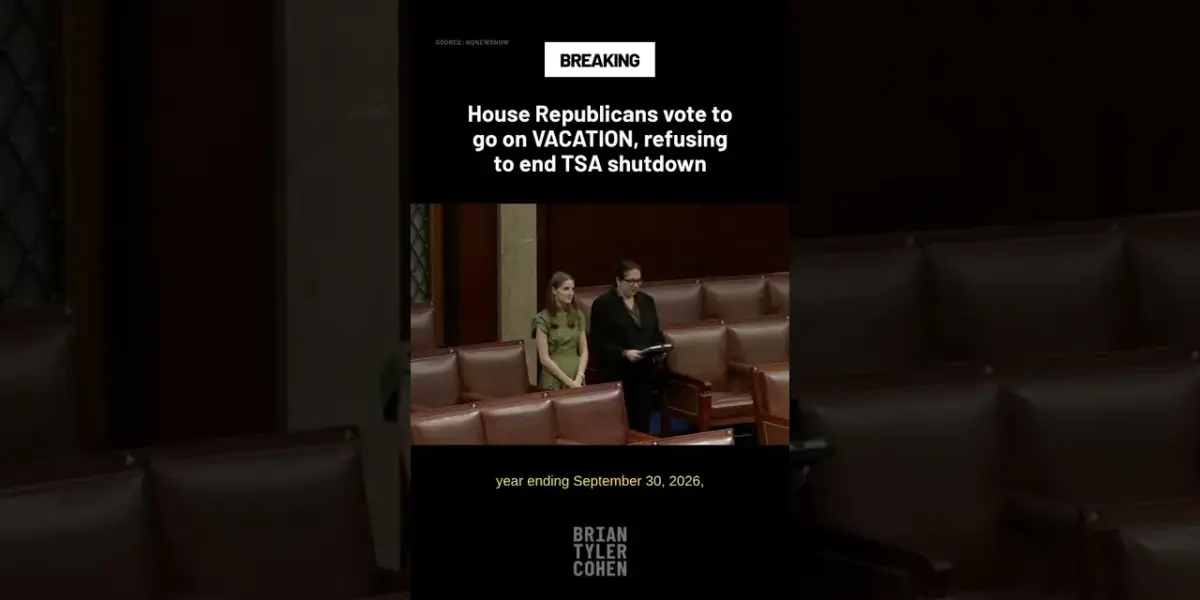
Congress Vacations as TSA Shutdown Continues Unresolved
While many Americans faced disruptions due to a government shutdown, members of the House of Representatives voted to adjourn for a break. This decision came despite the ongoing shutdown affecting essential services like the Transportation Security Administration (TSA). The Senate sent a message to the House, indicating they disagreed with the House’s proposed changes to a spending bill. This disagreement effectively stalled efforts to find a resolution before the planned recess.
A Stalled Spending Bill
The core issue revolved around a bill, H.R. 7147, designed to fund government operations. The Senate had passed its version, but the House made amendments. The Senate then rejected these changes. This back-and-forth meant that the two chambers of Congress could not agree on how to spend taxpayer money. As a result, parts of the government, including the TSA, were left without funding.
The transcript shows the formal process of this disagreement. The Speaker of the House received a message from the Senate. This message clearly stated the Senate’s refusal to accept the House’s amendment to the Senate’s amendment. This is a common legislative maneuver, but in this case, it led to a stalemate.
Speaker Appoints Temporary Leader
Following the message from the Senate, the Speaker of the House, Mike Johnson, made an appointment. He designated Representative Matt Cartwright to act as Speaker pro tempore. This role is for signing bills and resolutions when the main Speaker is unavailable. The transcript notes that this appointment was approved without objection. It signals a formal step in preparing for the House’s adjournment.
House Votes to Adjourn
The final action described in the transcript is the House’s decision to adjourn. Citing a specific rule, the House agreed to leave Washington D.C. and not return until a later date. The transcript states they would reconvene on Monday, April 6th, 2026. This vote occurred even as the shutdown continued, leaving federal workers and the public without essential services.
Why This Matters
This situation highlights a recurring problem in Washington: political gridlock preventing essential government functions. When Congress cannot agree on spending bills, shutdowns occur. These shutdowns directly impact federal employees, who often work without pay, and disrupt services that millions rely on daily. For travelers, this meant longer lines and uncertainty at airports due to TSA staffing issues.
The decision to adjourn for a break while a shutdown is active can be seen as a sign of disconnect between lawmakers and the public they serve. While the legislative process can be complex and require negotiation, leaving town during a crisis can create frustration and erode public trust. It raises questions about priorities and the willingness of elected officials to find common ground to solve pressing issues.
Historical Context
Government shutdowns are not new in American politics. They have happened numerous times throughout history, often stemming from disagreements over budget priorities or policy riders attached to spending bills. These shutdowns can range from brief interruptions to extended periods of government inactivity. The causes are often deeply rooted in partisan divides and the differing visions each party has for the role and scope of government spending.
The specific bill mentioned, H.R. 7147, is part of the annual appropriations process. This process is how Congress decides how to spend money for the upcoming fiscal year. When this process breaks down, as it did here, it leads to continuing resolutions or, in the worst case, shutdowns. The failure to pass these essential funding bills can be a symptom of deeper political dysfunction.
Implications and Future Outlook
The immediate implication of this adjournment is that the TSA shutdown and other government service disruptions would likely continue. Resolution would depend on the Senate and House returning and finding a compromise. This requires a shift in focus from partisan advantage to problem-solving.
Looking ahead, this event serves as a reminder of the challenges facing the legislative process. For the TSA and its employees, continued uncertainty about funding and their jobs is a serious concern. For the public, it means potential disruptions to travel and other government services. It underscores the need for more effective negotiation and compromise among lawmakers to ensure the smooth functioning of government, especially when essential services are at stake.
Source: House Republicans vote to go on VACATION, refusing to end TSA shutdown (YouTube)

Related Articles


Dem Rep. Slams Trump’s “Autocratic” Funding Power Grab
Illinois Congressman Mike Quigley sharply criticized President Trump's executive actions on government funding, calling them "autocratic" and a power grab that bypasses Congress. He also voiced concerns about stalled ICE reforms and the President's statements on Iran, warning of continued danger.

GOP’s Bold Immigration Funding Play: A Two-Step Bypass
Republicans are advancing a two-step plan to fund the Department of Homeland Security, bypassing Democrats on key immigration agency funding. The strategy separates most DHS funding from ICE and CBP budgets, using regular order for the former and budget reconciliation for the latter.

Trump’s NATO Attacks Spark Congressional Scrutiny
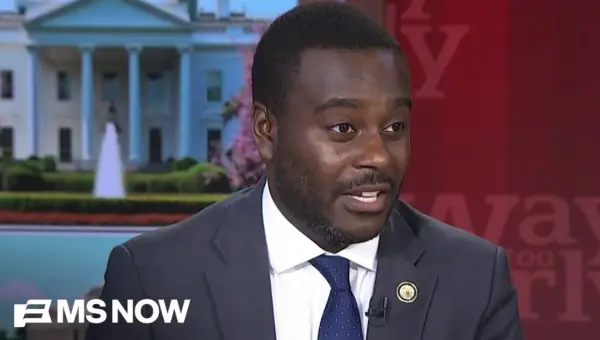
Congressman Gabe Amo criticized President Trump's recent address on the Iran conflict as "a month late and billions of dollars short." Amo also voiced concerns over Trump's attacks on NATO allies and the lack of transparency surrounding the war's objectives and costs.