Syrians Face Harsh Reality Upon Return Home
Syrians returning to their homeland after years in exile are finding a country with severely damaged infrastructure and a high cost of living. Despite calls from European leaders for refugees to go home, returnees report a lack of basic services and persistent safety concerns, questioning the feasibility of mass repatriation.


Syrians Face Harsh Reality Upon Return Home
Germany’s call for Syrian refugees to return home is met with grim realities on the ground. Many who have returned after years abroad find a country struggling with destroyed infrastructure and a high cost of living. This situation raises serious questions about the safety and feasibility of mass returns. Chancellor Olaf Scholz has encouraged Syrians living in Germany to consider going back to their home country. However, reports from returnees paint a starkly different picture than the one envisioned by some European leaders.
A Shocking Return to a Frozen Past
Muhammad Mayor Bakar fled Syria in 2016, living in Turkey and the UK before returning to Damascus last year. He described his homecoming as a shock. “You feel like Syria like froze in time in 2011 and nothing changed since then,” Bakar said. He detailed the poor state of basic services, including unreliable electricity and a broken sewage system. “The basic services, if you see the lighting now, um because I’m using a battery, but like there’s no running electricity. The sewage system,” he explained.
Skyrocketing Costs and Lack of Essentials
The return of many Syrians from abroad has driven up housing demand and living costs. Bakar noted that the expenses are surprisingly high. “I couldn’t imagine that oh my god like it’s almost like the cost of living of in London,” he stated. He explained that even basic housing is expensive, often lacking running water or electricity. “You need thousands of USDs. It doesn’t come with the you know with a basic infrastructure like running water or electricity which is making the cost of the accommodation so high,” Bakar added. This makes finding affordable and livable housing a significant challenge for returning families.
Criticism Over Return Encouragement
German Chancellor Olaf Scholz faced criticism after suggesting that about 80% of Syrians in Germany should return home. He recently met with Syrian President Ahmed al-Shara in Berlin. Germany hosts the largest Syrian refugee population in Europe. To encourage returns, Germany has offered to cover flight costs and provide a startup sum of €1,000 per adult. However, these incentives do not address the fundamental issues faced by returnees.
Safety Concerns Remain Paramount
For many, the lack of safety is the biggest obstacle to returning. “I think every Syrians want to buy, including me. Until now, there is no safety in Syria,” said one Syrian refugee living in Germany. He pointed to the presence of various armed groups, some potentially more extreme than ISIS. “There is many central power. Part of them may be like ISIS as as opinion or maybe more radical from ISIS. I don’t back to Syria until now because this reason,” he explained. Until these security issues are resolved, returning home remains a dangerous prospect for many.
Economic Rebuilding and Refugee Roles
Albony, another Syrian living in Germany, believes that Syria needs a strong economy before it can be considered safe. “To rebuild police and national army. You need strong economy. You must pay salaries to the soldier to the police to have their loyalty,” he stated. Syrian President al-Shara also visited the UK, where he discussed the return of refugees and their potential role in rebuilding the nation’s economy. However, the current state of the country suggests a long road ahead for economic recovery.
Unrealistic Expectations for Mass Return
Muhammad Bakar expressed doubt that Syria is ready to welcome back such a large number of its citizens. “Syria um is still um have so poor infrastructure, still have so poor uh it’s so poor with the livelihood opportunities,” he said. He believes that sending everyone back at once is not realistic. “And like to send all of those people back. This is not to be honest it’s not realistic,” Bakar concluded. While returnees might eventually help improve livelihoods and the economy, the immediate conditions suggest that large-scale returns are not yet feasible.
Looking Ahead
The push for Syrian refugees to return home is complicated by the harsh realities they face upon arrival. As Germany and other European nations continue to discuss repatriation, the focus must remain on the safety, stability, and economic viability of Syria. The coming months will likely see continued debate and scrutiny over the conditions in Syria and the true impact of encouraging refugees to return to a country still deeply scarred by conflict and neglect.
Source: What awaits Syrians who want to return home? | DW News (YouTube)

Related Articles


Buying Power Trumps Income: Live Large on Less
Making a high salary isn't the only way to financial success. Understanding your money's buying power—what it can actually purchase in different locations—is key. Strategically choosing where to live can significantly boost your savings and quality of life.

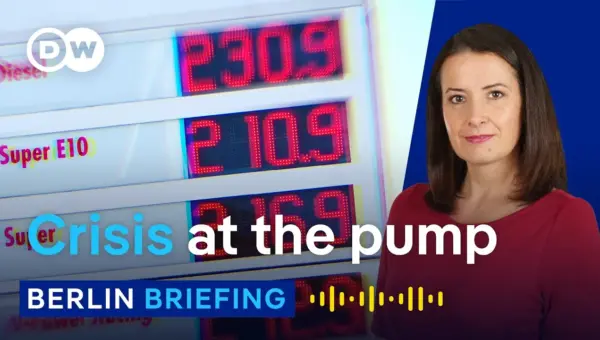
Iran War Fuels Global Energy Crisis, Germany Reassesses Future
The war in Iran has triggered a global energy crisis, with oil prices soaring and Germany facing economic strain. As citizens grapple with rising fuel costs, the nation is compelled to accelerate its transition to renewable energy sources and rethink its long-term energy security strategy.

Germany Limits Fuel Price Hikes to Once Daily
Germany has implemented a new law restricting gas stations to raising fuel prices only once per day, aiming to increase market transparency. While intended to curb price gouging, many drivers remain skeptical, citing the ongoing financial strain of high fuel costs. Experts suggest the measure may offer psychological comfort but won't fundamentally alter price increases, potentially leading to longer queues before the daily adjustment.