Nigeria Festival Attack: Survivors Demand Justice
Survivors of a violent attack at a fertility festival in Uzoro, Nigeria, are demanding justice and prosecution for their assailants. The brutal assaults, which left women traumatized, have sparked calls for an end to gender-based violence and greater accountability for perpetrators. Investigations are ongoing, with authorities confirming arrests have been made.

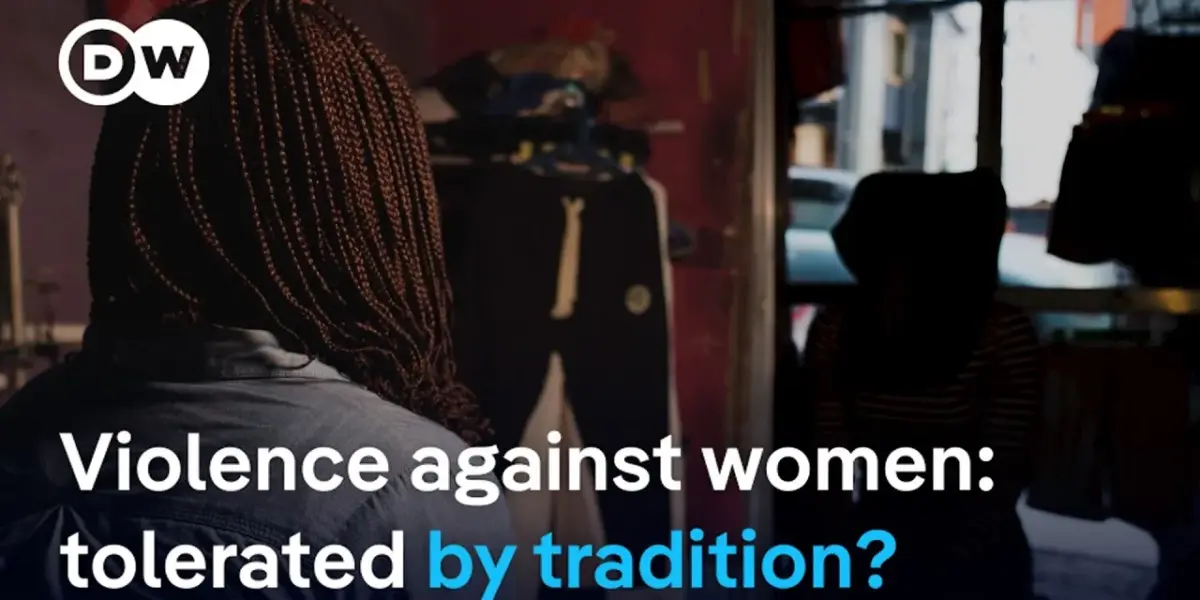
Survivors Speak Out After Fertility Festival Attack in Nigeria
In the streets of Uzoro, Nigeria, a group of men violently dragged a young woman from her motorcycle, an incident that has sent shockwaves through the community. This brutal attack, disguised as part of a traditional event, was not an isolated event. Other women have also come forward, sharing harrowing accounts of being attacked and filmed while bystanders did nothing.
A Survivor’s Story of Trauma and Resilience
One survivor, identified only as Amote to protect her identity, spoke about the deep emotional scars left by the attack. “I have not been able to sleep well,” she recounted, her voice revoiced to preserve anonymity. “If I am sleeping, I will be shouting. My mom prays with me before I go to bed. I am traumatized and I’ve not been feeling too well.” The experience has made it difficult for her to even think about the event or watch videos of it, fearing further distress. Despite her trauma, Amote is resolute in her demand for justice. “I need medical care. I also want those people that were involved or responsible for this act to be prosecuted,” she stated.
Details of the Ordeal Emerge
Speaking to gender activist Iromukuru, Amote provided more details about her ordeal. “I was about to come down from the bike when a lot of guys started shouting. Make hold now you people should hold her,” she recalled. “I tried my best to run but I was not able to escape. They started dragging my clothes. Different boys were just dragging my breast, my body, putting hands in my trousers.” Iromukuru, who is from the district and has connected with other survivors, described the events as an “abomination against our maidens in Isoko culture, belief systems and values and festivals.” She emphasized that in Isoko culture, maidens are meant to be respected.
Community Reaction and Official Investigation
Attempts to get reactions on the streets of Ozoro revealed a reluctance among many men to speak. However, Christian Favor, a food vendor, shared her own experience of being harassed on the day of the festival. “Even me myself, I was chased away from my business area,” she said. “It should not happen again. If anybody try to do such a thing, they should get them arrested and they should pay for their crime.” Favor stressed the need for government protection for the women and girls in Ozoro. Authorities have identified at least six victims, all of whom are students at a local university. The notice for the fertility festival was in the local language, leaving non-indigenous people unaware of the event.
Questions About Support and Legal Definitions
While authorities have promised support for the victims, questions remain about their capacity to help. The police confirmed an ongoing investigation, stating, “What happened was bad. Nobody’s encouraging it, but it was not a case of rape as it was alleged on social media.” However, they acknowledged it was a clear case of sexual assault, indecent assault, and harassment. “We are investigating it. We are not relenting. The video analysis is being processed. We are on it. We are trying to identify as much people as we can,” a police representative stated.
Gender activist Iromukuru highlighted the need for this incident to spark a national debate and bring about change. “We cannot allow this kind of behavior to continue in Ozoro or anywhere in Nigeria because we have seen similar festivals where this kind of behavior have been exhibited,” she noted. The lack of consequences for perpetrators is seen as a key reason for the continued cycle of violence. “The reason it keeps perpetuating is because there’s not enough consequences on the perpetrators, the abusers.” So far, at least 18 men, aged between 17 and 25, have been arrested.
Broader Societal Issues and Legal Interpretations
Ajiro Umukoro, founder of an initiative for the protection of women in Delta State, discussed the underlying mentality that enables such violence. She pointed to a concept of a “manosphere” where young men feel empowered to act as enforcers against women, particularly when festivals are perceived to exclude them. “The concept of young men thinking that they can be enforcers against young women in a society where the festival says that because it’s meant for married women and young women are not supposed to be there,” she explained. Umukuru also touched upon the legal definition of rape in Nigeria, noting that the Violence Against Persons Prohibition (VAPP) Act defines it by penetration. However, interpretations vary by state, and there is a call for a more uniform application of the law to cover cases of non-consensual touching and assault.
Calls for Systemic Change and Accountability
Umukoro argued that the system in Nigeria often fails women due to deeply ingrained misogynistic and patriarchal mindsets, sometimes influenced by religious interpretations. She criticized the slow pace of the justice system and the lack of an updated sexual offender registry. “We are not getting enough justice as it is. The law is very slow. Prosecution is not as speedy like an expert judgment that one would love to see happen,” she stated. Umukoro also emphasized the role of parents and educational institutions in shaping behavior, suggesting that parents should be held accountable for their children’s misbehavior. The monarch of Ozoro has since condemned the action and banned the festival, recognizing it had been hijacked by criminal elements.
Looking Ahead
As Nigerians continue to call for justice, survivors like Amote hope for a society where women and girls can feel safe. The ongoing investigations and the community’s demand for accountability will be crucial in determining if lasting change can be achieved and if the perpetrators will face the full might of the law.
Source: Sexual violence survivors call for justice after attack at fertility festival in Nigeria | DW News (YouTube)

Related Articles


Europe Visits Bucha, Pledges Solidarity Amid Aid Concerns
European officials visited Bucha to commemorate the massacre of civilians by Russian forces, vowing solidarity and demanding accountability. Despite symbolic gestures, concrete new aid was not announced, with Hungary's blockage of a major EU package remaining a key issue. Ukraine fears losing global attention to other conflicts, highlighting the ongoing need for justice and support.

Nigeria’s ‘Kito’ Scam Targets LGBTQ+ People with Violence
Nigeria's LGBTQ+ community is facing a surge in violent 'Kito' scams, where victims are lured online, ambushed, beaten, and blackmailed. Rights groups report over 50 cases since December, highlighting the dangerous exploitation of anti-gay laws and societal homophobia. Survivors share harrowing accounts of physical and emotional trauma, living in constant fear.

Minnesota Governor Vows ‘Never Forget’ at ‘No Kings’ Rally
Minnesota Governor Tim Walz will attend a 'No Kings' rally to remember those affected by recent events and demand justice. He criticized federal actions, citing the need to capture stories and prevent election interference. The community continues to seek accountability amid lingering impacts.