Trump Escalates Iran Conflict by Destroying Bridges
Donald Trump's actions, including the destruction of bridges in Iran and the targeting of mediators, have significantly escalated the conflict. This approach risks further violence and economic instability, drawing international condemnation and raising concerns about global peace.

Trump Escalates Iran Conflict by Destroying Bridges
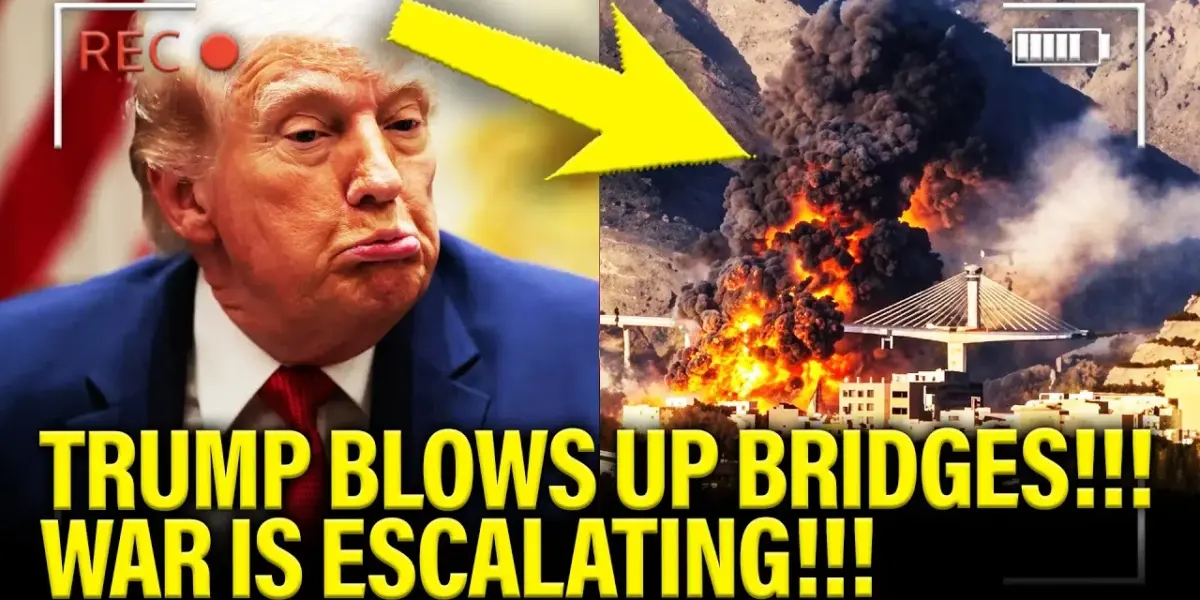
The situation in Iran has become increasingly tense, with recent actions by Donald Trump drawing sharp criticism and concern. Trump’s speech last night was described as a disaster, and his subsequent social media posts have intensified the conflict. He bragged about destroying a major bridge in Iran, calling it the “biggest bridge in Iran comes tumbling down, never to be used again.” This act was presented as a demand for a ceasefire or a way to end the war, a tactic that has been labeled as “sicko stuff” and a potential war crime. Trump’s message warned Iran to make a deal before it was too late, suggesting further destruction if they did not comply.
Targeting Mediators and Escalating Hostilities
Adding to the alarming developments, Iran’s former foreign minister, Kamal Kharrazi, was seriously wounded in an assassination attempt that also killed his wife. Kharrazi had been involved in efforts to mediate discussions between Iran and the United States, with Pakistan acting as an intermediary. This targeting of a potential peace broker, alongside the destruction of infrastructure, suggests a deliberate effort to eliminate diplomatic avenues and escalate the conflict. The United States and Israel have been implicated in this attack, which occurred shortly after Iran had rejected a negotiation framework pushed by Trump. The motive remains unclear, but it appears to be part of a pattern of targeting those who might facilitate peace.
Retaliation and Shifting Alliances
In response to these actions, Iran has threatened retaliation. The Iranian Revolutionary Guard Corps has listed bridges in Kuwait, Saudi Arabia, Abu Dhabi, and Jordan as potential targets for their military operations. They also claimed responsibility for targeting a facility in Bahrain, stating it was in response to attacks against Iranian officials and civilians. Iran has also engaged in propaganda, posting videos that mock Trump by placing images of Netanyahu, Epstein, and Trump on ballistic missiles launched towards Israel and Arab nations. One message read, “Hey stupid Trump, the Strait of Hormuz is a bigger piece than your mouth.”
Economic Ramifications and International Condemnation
The conflict is also having significant economic consequences. The price of oil has reached record highs, with WTI crude oil surpassing $113 per barrel and Brent crude oil exceeding $19 per barrel. Countries like South Korea are urging citizens to conserve fuel due to shortages. The Strait of Hormuz, a critical oil shipping route, remains a point of contention. While Trump has demanded it be kept open, Iran has implemented a toll system for neutral countries and threatened to block passage for those allied with the US and Israel. This situation has drawn criticism from international leaders like French President Emmanuel Macron, who urged Trump to be serious and stop making inflammatory statements. Macron suggested that Trump’s words are worsening the situation and that calm dialogue is needed to build lasting peace.
Historical Context and Future Outlook
This escalation follows a period where Iran had previously indicated a willingness to negotiate, but progress was stalled. The current strategy of destroying infrastructure and targeting mediators suggests a departure from diplomatic efforts. Historically, conflicts in the Middle East have often been fueled by a lack of communication and a reliance on military action. The involvement of Russia in potentially supplying Iran with weapons, as suggested by Ukrainian intelligence, adds another layer of complexity, echoing past geopolitical alignments. The potential for a large-scale military budget increase in the US, coupled with cuts to domestic programs, further highlights a focus on defense spending over social welfare. The situation remains volatile, with Iran claiming readiness for further conflict and international partners urging de-escalation.
Why This Matters
The actions described in this analysis have profound implications for global stability and peace. The destruction of bridges and the targeting of potential mediators signal a dangerous escalation, moving away from diplomatic solutions. This approach risks further loss of life, economic disruption, and broader regional conflict. The rising oil prices and the threat to critical shipping lanes like the Strait of Hormuz directly impact global economies and energy security. Furthermore, the rhetoric and actions employed can undermine international relations and make future peace negotiations far more difficult. It highlights a critical juncture where a choice must be made between continued escalation and a concerted effort towards de-escalation and diplomacy.
Source: Trump PANICS and BLOWS UP BRIDGES AND MEDIATOR in WAR!!! (YouTube)

Related Articles
Trump’s NATO Threats Spark Global Unease, Ex-Envoy Warns
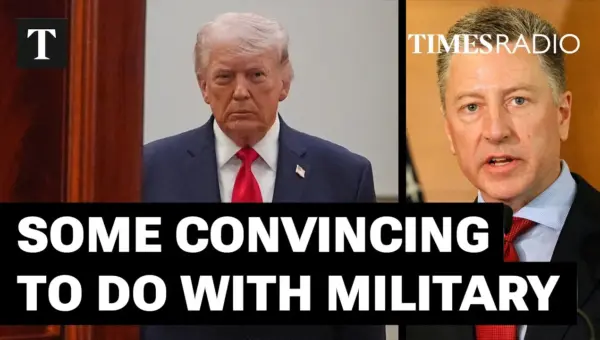
Former Ambassador Kurt Volker warns that President Trump's questioning of NATO and the ongoing conflict with Iran are creating global instability. The war's unclear outcome benefits Russia and potentially China, while straining U.S. relations with European allies. Volker suggests Trump's NATO threats are a tactic to pressure allies, but legal and political hurdles make withdrawal difficult.
Trump Fires Bondi: A Loyalty Test Ends in Public Humiliation
Pam Bondi's dismissal as Attorney General by Donald Trump was reportedly a "dramatic showdown," not a quiet transition. Accusations of an "unforgivable offense" and alleged interference in the Epstein files controversy fueled the conflict. The incident highlights a pattern of demanding loyalty and then discarding allies when they are no longer useful.

Trump Ousts Bondi Amid Epstein Probe, Congress Demands Answers
Congressman Seth Moulton claims President Trump removed Pam Bondi from her position due to her impending deposition in the Jeffrey Epstein case. The conversation also addressed the escalating conflict with Iran, with Moulton criticizing the administration's strategy and calling for transparency.