Ukraine Shares Drone Warfare Secrets with NATO Allies
Ukraine's extensive experience in drone warfare, gained over four years of conflict, is now being shared with NATO allies. British and other partner nations are learning firsthand from Ukrainian soldiers about the realities of drone use on the modern battlefield, seeking to adapt their own military strategies and procurement processes.

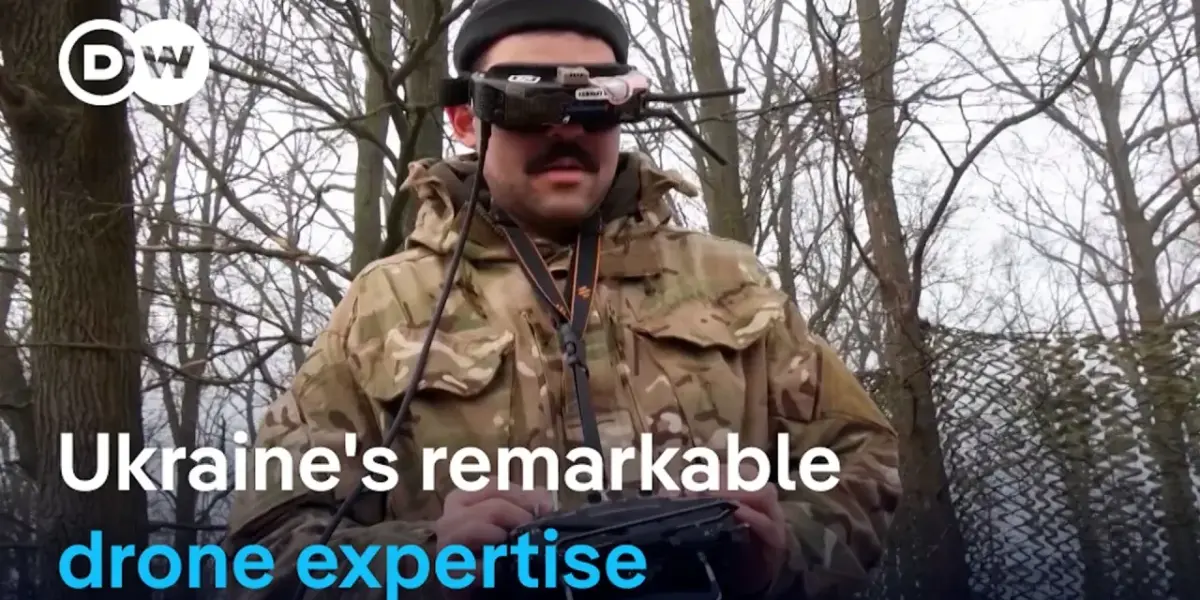
Ukraine’s Drone Expertise Fuels NATO’s Modern Warfare Training
After four years of intense conflict, Ukrainian soldiers have become leading experts in drone warfare. Their battlefield experience is now being shared with Western allies, including the British Army, to enhance modern combat strategies. This unique knowledge transfer is happening as part of a secret training program in England, where Ukrainian soldiers are teaching British troops and those from 13 other partner nations.
Lessons from the Front Lines
Ukrainian soldiers like Artem, a former project manager, bring invaluable firsthand accounts of how drones have reshaped warfare. “Our partners have some knowledge of drones, but they have not encountered them in action,” Artem explained. “They don’t fully understand how drones affect the battlefield or how intense their impact is.” This practical insight is crucial for allies who may lack real-world exposure to such high-intensity drone activity.
Artem is also learning new leadership skills, focusing on commanding his team and assessing critical situations. His journey highlights the transformation from civilian life to becoming a skilled drone operator on a modern battlefield. The training is a two-way street, with Ukrainian soldiers also learning from their international counterparts. Artem is currently receiving instruction from an Australian soldier on leading small combat units.
Britain’s Elite Units Learn from Ukraine
The British Army recognizes the immense value of Ukraine’s drone expertise, calling it “priceless.” Elite units like the Irish Guards have spent a year working alongside Ukrainian soldiers. “The battlefield and the battlefront in Ukraine is the only place in the world where there is the sheer density of drones in the air,” stated a representative from the Irish Guards. “We couldn’t replicate that, even if we had an unlimited budget.”
Learning from those who have experienced this density firsthand is the next best option. The British Army is now training all its soldiers as drone specialists, following the Ukrainian model. They are also exploring advanced manufacturing techniques, using 3D printers to create drone components and even entire drones from scratch. This rapid adaptation is key, as technology evolves quickly on the battlefield.
Drones: A New Reality of Warfare
While drone operation remains a training exercise for British soldiers, it is a harsh reality for Ukrainians like Artem. Upon returning to the front, he will be better equipped to lead his troops, bringing enhanced professionalism and motivation. This exchange underscores the critical role drones now play in military operations.
Ukraine’s drone production has surged, with an estimated 4 million drones produced last year alone. This massive output has turned Ukrainian forces into masters of drone technology. Defense analyst Christopher Morris notes that while drones aren’t the single most important element of modern warfare, they are certainly among the most visible. The core concept of using drones to locate and strike targets isn’t new, but the cost, visibility, and scale have dramatically changed.
“What we’ve seen since Ukraine is this capability has effectively become democratized and decentralized. And even now if you look at like platoon level elements in Ukraine, they’re running their own strike cycles with off-the-shelf kit and improvising where necessary.”
The ‘System’ is Key, Not Just Technology
Morris emphasizes that the true value for the West lies not just in acquiring current Ukrainian drone technology, which may become obsolete quickly, but in understanding Ukraine’s innovation system. “What they’ve been able to do is build effectively an innovation pipeline that leads from their front line all the way back to their production, their prototyping and ultimately back to the front line again,” he explained.
This system allows for rapid iteration, tolerance for failure, and quick replacement of disposable systems. Initiatives like Brave 1 connect government, military, and private firms to develop and deploy new technologies swiftly. This contrasts sharply with the long acquisition cycles and risk aversion common in Western military procurement.
Adapting to Constant Surveillance and Attrition
Drones increase the cost of troop movements and force concentration, making battlefields more transparent. They don’t seize territory or dictate political outcomes alone, but they force militaries to adapt to constant surveillance and attrition. “Western militaries simply are not built for that at this given moment,” Morris observed.
NATO allies are benefiting immensely from Ukraine’s frontline experience. The partnership highlights the need for Western militaries to embrace rapid adaptation and a higher tolerance for risk to keep pace with evolving warfare. While acquiring Ukrainian solutions is important, understanding and replicating the underlying innovation system is crucial for long-term strategic advantage.
Looking Ahead
As Artem returns to the front lines with enhanced skills and motivation, the knowledge exchange continues. The ongoing collaboration between Ukraine and its NATO partners will likely shape future military doctrines and technological development. The focus will remain on how Western forces can adapt their procurement and operational approaches to match the agility and innovation demonstrated by Ukraine.
Source: How important Ukraine's drone expertise is for its partners and NATO | DW (YouTube)

Related Articles


Kirby: NATO Without US ‘Hard to Comprehend’
Retired U.S. Navy Rear Admiral John Kirby finds the concept of a NATO alliance without U.S. leadership difficult to imagine. He noted relief among allies following a presidential address that omitted criticism of NATO, despite past threats. Kirby also highlighted Secretary of State Marco Rubio's evolving public stance on the alliance.


UK Must Ignore Trump’s ‘Rent-Free’ Rhetoric on Iran Crisis
Analysts urge the UK to ignore President Trump's rhetoric on the Iran crisis and focus on defense and deterrence. Experts question the success of US military actions and warn of damage to American credibility and global stability. The piece stresses the need for European nations to bolster their own security.


Fox News Reacts to Trump’s Speech: A Divided Network
Fox News personalities debated Donald Trump's recent speech, revealing sharp divisions on its effectiveness and implications for U.S. foreign policy. Discussions centered on the role of NATO, with some commentators questioning the value of alliances and calling for a re-evaluation of America's commitments.