Iran’s War Machine Crippled: Key Bridge Destroyed, Negotiator Wounded
A critical bridge in Iran, vital for military supplies, has been destroyed, severely impacting its war capabilities. Simultaneously, Iran's top negotiator for ceasefire talks with the US was critically wounded, signaling potential failure in diplomatic efforts. These events highlight a dangerous escalation in the region.

Iran’s Strategic Lifeline Severed, Diplomacy Falters
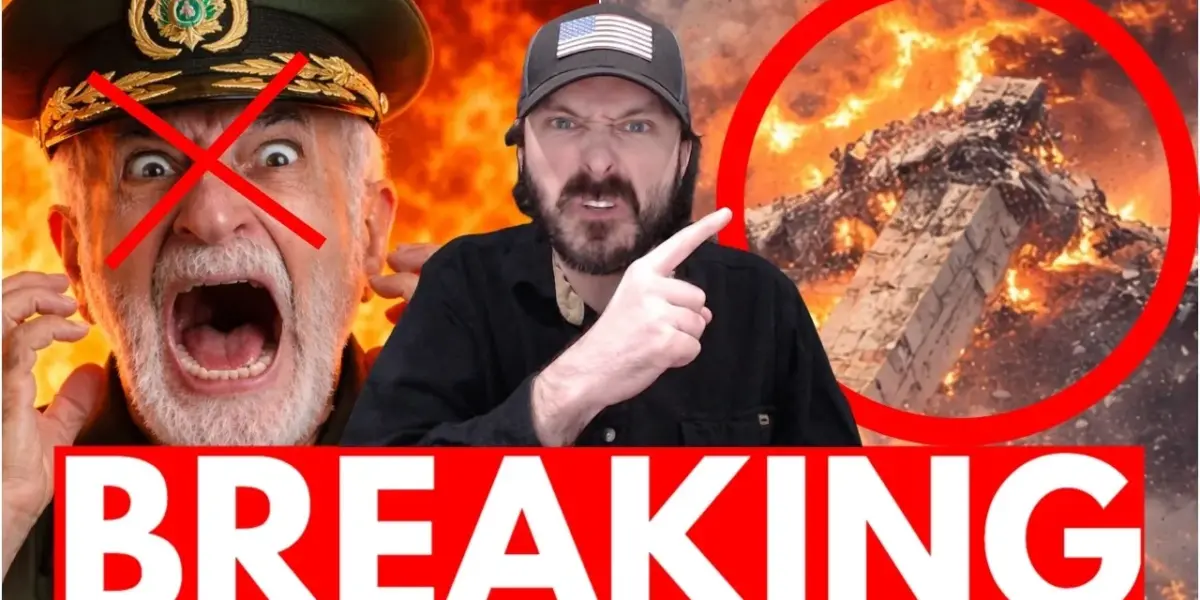
In a significant development, a crucial bridge serving as a vital link for Iran’s military supplies and troop movement has been destroyed. The B1 bridge in Karaj, a major artery connecting the capital, Tehran, to northern regions, was obliterated in what appears to be a targeted strike. This action not only disrupts Iran’s ability to resupply and reinforce its military operations but also isolates the capital, severing a key exit route.
The bridge was not just any structure; it was one of the most expensive ever built in the region and served multiple strategic purposes. It was used to move troops and military resources, and could have been used as an evacuation route for senior leadership. Its destruction represents a major strategic win, fundamentally altering the calculus on the ground.
Negotiations Hit a Snag
Adding to the turmoil, Iran’s top negotiator, Kamal Kharrazi, who was reportedly engaged in back-channel ceasefire talks with the United States, has been critically wounded. His wife was killed in the same incident, believed to be an Israeli air strike on their home in Tehran. Kharrazi, a former foreign minister, was a key figure in attempting to establish a ceasefire, and his critical condition is a stark indicator that diplomatic efforts may be failing.
The United States military has also released footage showing further strikes. These include powerful air strikes on Iranian militias in Anbar, Iraq, which have been targeting U.S. interests with drones and other weapons. The footage shows massive explosions and smoke columns, indicating significant damage to what is likely an underground missile facility. The A-10 aircraft have also been actively engaged against these Iranian-backed groups.
Escalation and Shifting Alliances
The situation is further complicated by Iran’s continued missile launches, with reports of ballistic missiles being fired towards Israel. While the extent of damage is still being assessed, the launch itself signifies an ongoing escalation. Iran’s Islamic Revolutionary Guard Corps (IRGC) has also announced attacks on an Amazon Cloud Computing Center in Bahrain, following through on threats to target American companies in the region as retaliation.
Adding another layer to the conflict, there is evidence suggesting Gulf states may be entering the fray. Iranian forces reportedly shot down a Saudi or UAE drone over Shiraz. This incident, coupled with footage of an unidentified fighter jet, hints at a growing coalition participating in operations over Iran, possibly for intelligence gathering.
Humanitarian Concerns and Military Readiness
Amidst these military actions, there are also humanitarian concerns. American journalist Shelley Katinas, who was reportedly abducted in Iraq by Iranian forces, is now being held hostage. Iran has stated she will only be released if captured Iranian-backed militias are freed. Katinas was reportedly taken in broad daylight in Baghdad, highlighting the dangerous environment for journalists in the region.
In parallel, the U.S. military is demonstrating its readiness for potential ground operations. Photos have emerged showing U.S. Marines from the Boxer Amphibious Group training for such scenarios. The U.S. military has also released footage of cruise missiles being launched and B-52 bombers preparing for strikes, underscoring a significant show of force and preparedness.
Why This Matters
The destruction of the B1 bridge is more than just the loss of infrastructure; it’s a direct blow to Iran’s logistical capabilities and its ability to project power. This strike aims to cripple its war-fighting capacity, making it harder for them to sustain operations. Simultaneously, the incapacitation of a key negotiator signals a potential breakdown in diplomatic channels, making a peaceful resolution even more distant.
The involvement of Gulf states, if confirmed, would represent a significant shift, broadening the conflict and potentially drawing in more regional players. The ongoing missile launches and retaliatory strikes demonstrate a dangerous cycle of escalation that could have far-reaching consequences for the entire Middle East. The abduction of a journalist also highlights the severe human cost of these escalating tensions.
Looking Ahead
The current events suggest a critical juncture in the conflict. The strategic targeting of infrastructure, combined with the potential collapse of diplomatic efforts, points towards a continued or even intensified military confrontation. The readiness of U.S. forces for ground operations indicates that a diplomatic solution is not guaranteed, and military options remain on the table. The involvement of a wider coalition, including Gulf states, could further complicate the geopolitical landscape.
The coming days and weeks will be crucial in determining the trajectory of this conflict. Whether Iran retaliates further, if diplomatic channels can be salvaged, and how the international community responds will all play a significant role in shaping the future of the region. The destruction of key assets and the severe injury of a lead negotiator suggest that the path forward is fraught with uncertainty and potential danger.
Source: Critical Iran Target BLOWN UP – Top Negotiator WOUNDED (YouTube)

Related Articles

Russia’s Battlefield Slowdown Signals Shifting War Dynamics
Russia faces mounting pressure on multiple fronts as its military gains in Ukraine stall and its economy strains. Moscow's claims of victory are contradicted by battlefield realities, escalating casualties, and diminishing territorial returns. President Putin's leadership is increasingly isolated both domestically and internationally.

Trump’s Iran Strategy Risks Global Instability
Former Ambassador John Bolton criticizes President Trump's Iran strategy, citing contradictory statements and a lack of clear objectives. Bolton argues that without regime change, the U.S. faces a cycle of conflict, potentially leading to a major strategic defeat and empowering rivals like China and Russia.


US Military Strikes in Iran: A Cycle of Conflict?
US military actions against Iran may be leading to a cycle of conflict. Experts question the effectiveness of repeated strikes versus the risks of a ground invasion, highlighting unintended consequences and the challenge of monitoring Iran's nuclear program.