Ukraine Unit Fights Back Against ‘Meat Assault’ Claims
A Ukrainian unit, the 425th Scola, is refuting Russian claims of a failed 'meat assault' near Pokrovsk. The unit says the allegations rely on manipulated Russian footage and that their operation was successful, despite drone attacks. Meanwhile, Ukraine continues deep strikes on Russian infrastructure, impacting oil exports.

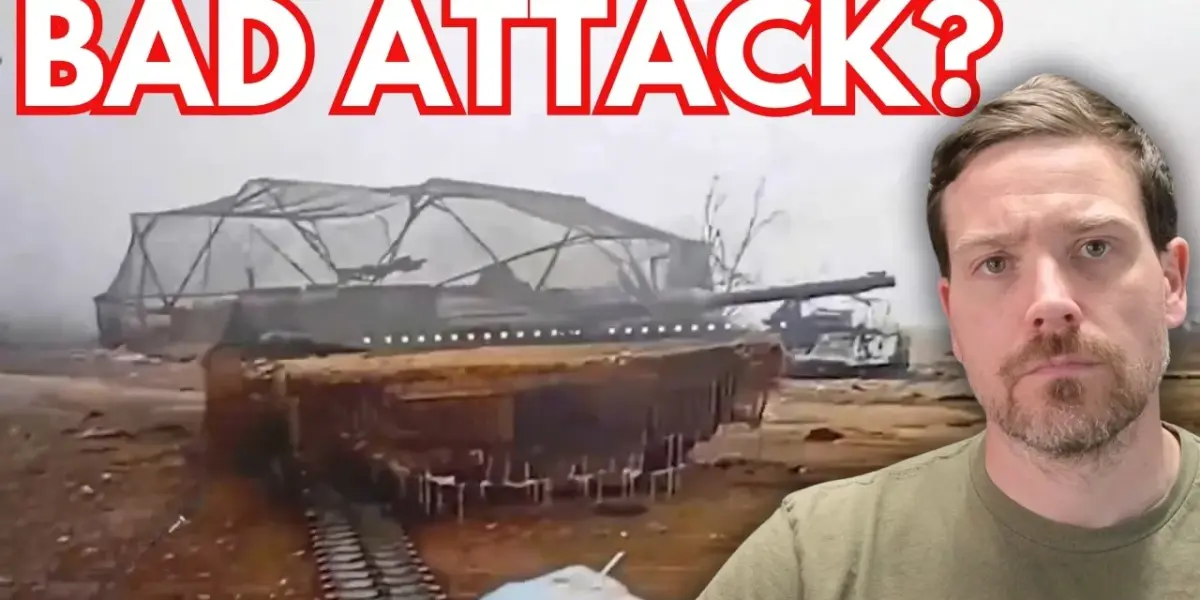
Ukraine Unit Fights Back Against ‘Meat Assault’ Claims
A recent battle near Pokrovsk, Ukraine, has sparked a debate. Russian sources accused a Ukrainian unit, the 425th Scola, of using a costly tactic similar to Russia’s past attacks. They claimed the unit suffered heavy losses in an assault on March 31st. However, the 425th unit is strongly denying these claims, calling them Russian propaganda.
Allegations Surface
The accusations first gained attention from Sergey Sternenko, a popular Ukrainian war blogger who now works with the Ministry of Defense. He shared footage from Russian sources, suggesting it showed the destroyed equipment of the 425th regiment near Pokrovsk. Sternenko stated that in a war where drones rule the skies, sending troops in large groups is dangerous and leads to heavy losses. He believes that how some Ukrainian commanders are treating soldiers is no different from Russian practices and must stop. He mentioned seeing many fallen Ukrainian soldiers and called the situation a crime.
425th Regiment Responds
The 425th Scola has pushed back forcefully against these allegations. They argue that Sternenko relied solely on Russian footage and data. The unit claims this information selectively combines attacks from different days and locations. They say these distorted facts create a false picture that serves Russian propaganda goals. The 425th insists their operation on March 31st was successful.
Details of the Operation
According to the 425th, their soldiers, along with the 155th Mechanized Brigade, were defending positions in Pokrovsk. On March 31st, they launched a successful counterattack to retake a key tactical point captured by Russian forces. The unit stated they used favorable weather conditions, moved in armored vehicles with extra protection, and had reliable communication. They also had support from drones, artillery, and tanks.
The 425th admits that enemy drones did hit four of their armored vehicles near the attack’s start. However, they maintain that the assault group successfully dismounted and completed their assigned task. The soldiers are still fighting at the target location, keeping in touch with command, and receiving full fire support. They believe Sternenko’s conclusions were not based on accurate information from the actual operation.
The Importance of Criticism
The video’s creator emphasized that criticism of military actions is vital. No army is perfect, and Ukraine, in particular, cannot afford to waste soldiers in costly offensives. This is why Ukraine has shifted towards smaller, drone-supported attacks rather than large-scale assaults. The creator sees Sternenko’s feedback as potentially valid, though made without all the facts. The 425th has offered to provide a full investigation to the commander-in-chief and invited Sternenko to their headquarters for a firsthand update.
Broader Context: Ukraine’s Evolving Tactics
In recent months, Ukraine’s military strategy has noticeably changed. Instead of large mechanized assaults, they are now conducting smaller operations. These involve squad or platoon-sized units, sometimes up to company size. These smaller groups are heavily supported by reconnaissance drones and strike drones. This approach allows them to take territory piece by piece, minimizing risks to soldiers. This shift reflects the harsh reality of modern drone warfare, where large formations are easily spotted and targeted.
Ukrainian Deep Strikes Target Russian Infrastructure
Beyond the ground fighting, Ukraine has also conducted significant deep strikes against Russian targets. The Security Service of Ukraine (SSU) and military intelligence (GUR) recently attacked the Kirovskoye airfield in Crimea. They reported destroying four Russian drones, a base for heavy unmanned aerial vehicles (UAVs), an An-72P transport aircraft, and a radar system. The destroyed drones, identified as Orion models, are capable of long flights and carrying heavy payloads.
These strikes were carried out using Ukrainian FP-2 long-range munitions. Ukraine has stated these deep strikes will continue, hitting targets not only in Crimea but also inside Russia. This strategy aims to disrupt Russia’s military capabilities and economy.
Russian Aircraft Downed
In addition to the airfield attacks, two Russian aircraft have recently fallen from the sky. While initial speculation suggested Ukrainian involvement, current information points towards technical malfunctions. A Russian military blogger confirmed the loss of a Su-34 fighter-bomber, with its crew believed to be killed. Another report detailed the crash of an An-26 aircraft in Crimea, killing its six crew members and 23 passengers, with preliminary investigations suggesting a technical issue.
Impact on Russian Oil Exports
Ukraine’s drone strikes have also significantly impacted Russia’s oil exports. The Luga oil terminal in northwestern Russia has been hit multiple times in recent weeks. These attacks have caused fires, halted fuel loading operations, and led to injuries. Between March 23rd and 29th, these strikes reduced Russia’s Baltic oil shipments by 43% compared to the previous week. Daily exports fell dramatically, causing estimated losses exceeding $1 billion. This tactic of targeting energy infrastructure is a key way Ukraine aims to cripple Russia’s war funding.
Why This Matters
The debate over the Pokrovsk assault highlights the complex information warfare surrounding the conflict. Both sides carefully control narratives, and verifying battlefield accounts is difficult. The incident also underscores the evolving nature of modern warfare, where drone dominance forces changes in tactics and increases scrutiny of leadership decisions. Furthermore, Ukraine’s successful strikes on Russian oil infrastructure demonstrate its growing ability to project power deep into Russian territory, impacting its economy and war-making potential. These actions are a form of economic warfare, aiming to cut off resources that fuel Russia’s invasion.
Looking Ahead
As the war continues, expect more sophisticated drone tactics from both sides. Ukraine will likely keep targeting Russian energy and military assets, seeking to degrade its ability to wage war. The effectiveness of these strikes and Russia’s ability to defend its infrastructure will be crucial. The ongoing debate over battlefield tactics within Ukraine also shows a military grappling with the realities of high-tech warfare and the need for accountability, even amidst conflict. The ability to adapt and learn from mistakes, while maintaining public trust, will be vital for Ukraine’s long-term success.
Source: Controversial Pokrovsk Assault: Multiple Vehicles Destroyed (YouTube)

Related Articles
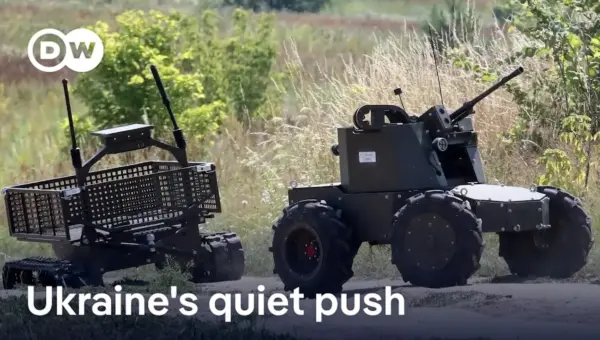
Ukraine Strikes Russian Oil, Recaptures Land in Quiet Gains
Ukraine is intensifying its campaign against Russian oil facilities, aiming to cut off Moscow's war funding with larger drone attacks. Concurrently, Ukrainian forces have quietly recaptured hundreds of square kilometers of territory, outperforming previous counteroffensive efforts.

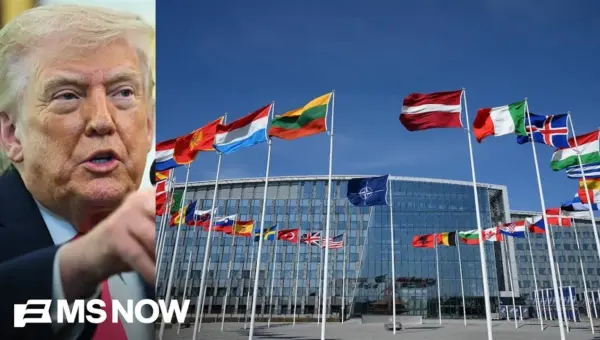
Trump’s NATO Doubts Spark Bipartisan Pushback
Former President Donald Trump has again labeled NATO a "paper tiger," raising concerns about a potential U.S. withdrawal. Congress has responded with strong bipartisan support for the alliance, emphasizing its historical success and importance for U.S. security. While legal hurdles prevent an immediate exit, a reduction in U.S. support could significantly impact NATO's effectiveness, particularly in the context of the ongoing war in Ukraine.


Slovak Leader Faces Accusations of Misinformation on Ukraine
Slovak Prime Minister Robert Fico is accused of misrepresenting the economic impact of sanctions against Russia. Critics argue his statements blame Ukraine for the EU's energy policy shift, ignoring Russia's aggression as the root cause. Calls for an independent assessment of energy infrastructure are growing.