Trump Signs Trade Orders: A New Era of Economic Policy?
President Trump signed trade-related executive orders on April 2nd, continuing his "America First" agenda. These actions aimed to protect U.S. industries and jobs but sparked debate about global trade impacts. The move reflects a significant shift from traditional free trade policies.

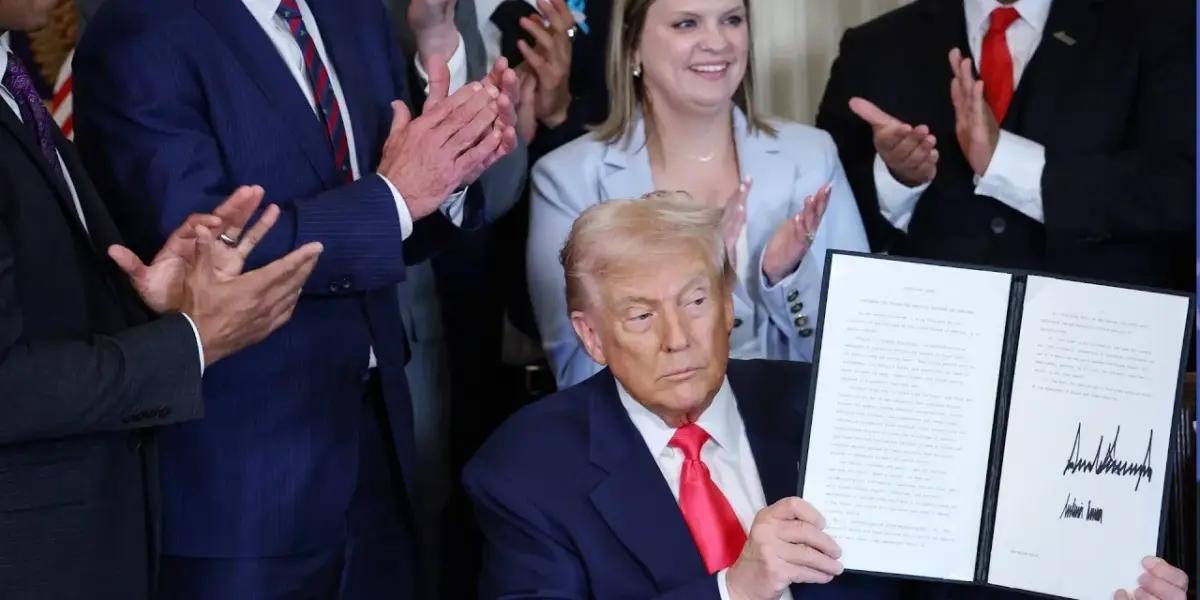
Trump Signs Trade Orders: A New Era of Economic Policy?
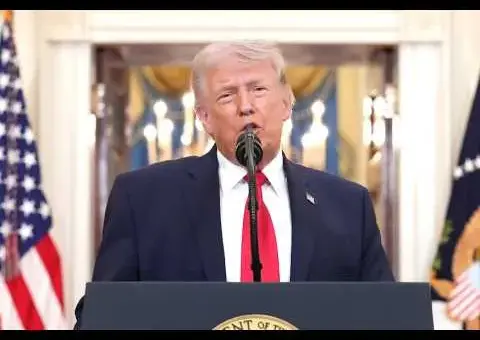
On April 2nd, President Donald Trump signed executive orders related to trade. The White House provided little detail about the specific orders at the time. This action signaled a continuation of his administration’s focus on reshaping America’s trade relationships. These moves often aimed to protect American jobs and industries from foreign competition.
The exact nature of these orders remained somewhat unclear, but the timing suggested a push to address perceived trade imbalances. Trump’s “America First” agenda frequently centered on renegotiating trade deals and imposing tariffs. This approach aimed to create a more favorable economic environment for the United States. Critics, however, often raised concerns about potential negative impacts on global trade and consumer prices.
Historical Context: A Shift in Trade Thinking
For decades, a general consensus favored free trade agreements. The idea was that open markets would lead to greater efficiency and lower prices for consumers. Major trade deals like NAFTA were signed with the belief that they would boost economic growth for all participating countries. However, over time, some American workers and industries felt left behind by these global shifts.
The rise of manufacturing in other countries led to job losses in some American sectors. This created a growing sentiment that existing trade policies were not always benefiting the average American. President Trump tapped into this frustration, promising to bring back jobs and put American workers first. His trade policies represented a significant departure from the established free trade orthodoxy.
The President’s Approach to Trade
Trump’s strategy often involved direct negotiation and the threat of tariffs. He believed that imposing taxes on imported goods would encourage companies to produce more in the U.S. He also sought to renegotiate existing trade agreements, arguing they were unfair to American businesses. The goal was to achieve bilateral deals that he felt better served U.S. interests.
For example, the renegotiation of NAFTA into the USMCA (United States-Mexico-Canada Agreement) was a key achievement cited by his administration. Supporters viewed these actions as necessary steps to rebalance global trade. They argued that previous administrations had been too lenient, allowing other countries to take advantage of the U.S. market.
Potential Impacts and Criticisms
The impact of such executive orders can be far-reaching. On one hand, they might encourage domestic production and create jobs in certain sectors. Companies might see benefits from reduced foreign competition or new incentives to invest in the U.S.
On the other hand, critics often point to potential downsides. Tariffs can increase the cost of imported goods, leading to higher prices for consumers. They can also disrupt supply chains and harm industries that rely on foreign components. Furthermore, retaliatory tariffs from other countries can hurt American exporters. This can create uncertainty and instability in the global economy.
Why This Matters
President Trump’s trade actions, including the signing of these executive orders, reflect a broader debate about globalization and national economic interests. They highlight the tension between the benefits of open markets and the desire to protect domestic industries and jobs. The effectiveness and long-term consequences of such policies are subjects of ongoing discussion among economists and policymakers.
Understanding these trade maneuvers is crucial because they directly affect businesses, workers, and consumers. Changes in trade policy can influence the cost of everyday goods, the competitiveness of American companies, and the overall health of the economy. The administration’s approach signaled a willingness to challenge established trade norms and pursue policies aimed at achieving specific national economic goals.
Looking Ahead: The Future of Trade Policy
The executive orders signed on April 2nd are part of a larger pattern of trade policy under the Trump administration. Whether these specific orders led to lasting changes or were part of a broader strategy to renegotiate terms is a key question. The long-term success of these policies often depends on how other countries respond and how adaptable American industries prove to be.
Future administrations may choose to continue, modify, or reverse these trade policies. The debate over how best to balance international trade with domestic economic concerns is likely to persist. The actions taken, even if specific details are scarce, contribute to the ongoing evolution of global trade dynamics and America’s role within it.
Source: LIVE: Trump Signs Trade-Related Executive Order(s) (YouTube)

Related Articles

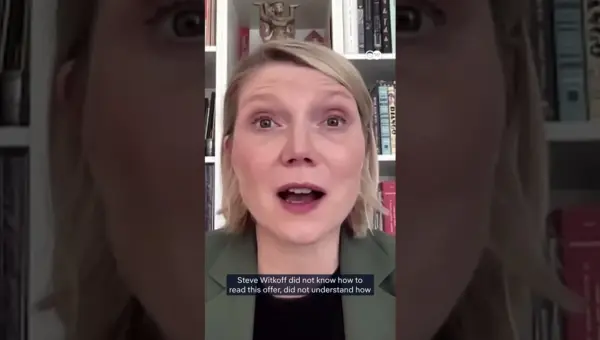
Trump’s Iran War Strategy Faces GOP Backlash, Voter Doubt
President Trump's strategy regarding Iran is facing significant backlash from within his own Republican party and among voters, with polls showing strong opposition to ground troop deployment. Despite military movements suggesting potential escalation, analysts point to missed diplomatic opportunities and a rising civilian death toll, creating a complex quagmire for the administration.
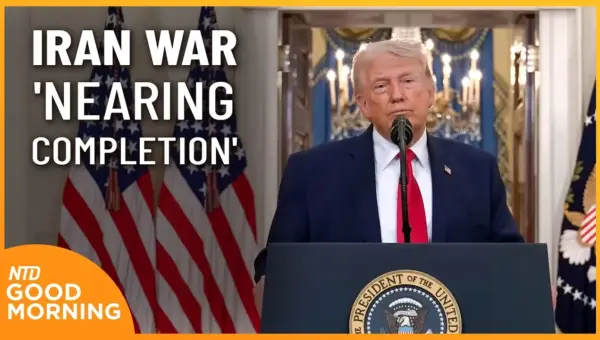
Trump Declares Iran War Nears End; SCOTUS Weighs Citizenship
President Trump announced the nearing end of U.S. military operations in Iran, targeting its military infrastructure and nuclear ambitions. The Supreme Court heard arguments on Trump's executive order affecting birthright citizenship, with a ruling expected soon. NASA also launched Artemis II, sending astronauts on a historic four-day trip around the moon.
Trump Claims Iran Mission Nears End, Cites Short Duration
President Trump announced that U.S. operations in Iran are nearing completion, citing a swift mission compared to past conflicts. He linked the operation's end to falling gas prices and discussed upcoming NATO talks.