Nations Meet to Reopen Strait of Hormuz Amid Iran Tensions
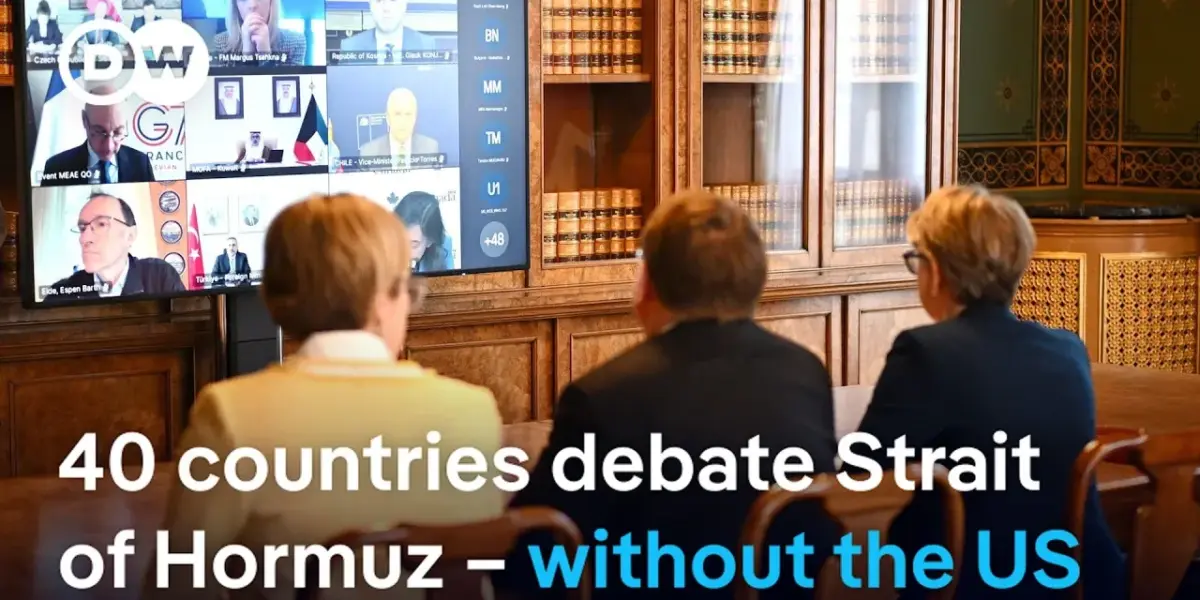
Foreign ministers from over 40 nations met, hosted by Britain, to discuss reopening the Strait of Hormuz, a vital shipping lane disrupted by current conflicts. Britain blamed Iran for holding the global economy hostage, while the US did not attend the talks, leaving allies uncertain about a unified strategy. European nations expressed caution about deploying military assets during active hostilities.

Global Powers Gather to Address Vital Shipping Route Blockade
Foreign ministers from over 40 countries recently convened in a crucial meeting hosted by Britain. The summit aimed to find diplomatic and economic solutions to reopen the Strait of Hormuz, a vital global shipping lane. This strategic waterway has been severely disrupted, impacting global trade and energy supplies. Notably, the United States did not participate in the discussions.
Britain Blames Iran for Global Economic Strain
Britain’s Foreign Secretary directly accused Iran of holding the global economy hostage. She stated that Iran’s actions have hijacked an international shipping route. This recklessness, she explained, affects countries not directly involved in the current conflict. The consequences are far-reaching, hitting mortgage rates, petrol prices, and the overall cost of living worldwide. The situation is described as a threat to global economic security.
Importance of Diplomatic Engagement
Our Brussels correspondent, Terry Scholes, highlighted the significance of bringing together around 35 foreign ministers. “Anytime you get some 35 foreign ministers together to talk about something that is hitting their populations so hard as this blockade in the street of Hormus is right now, it is important,” Scholes noted. The meeting provided a platform to discuss available tactics and resources, including military options, that could be used to reopen the shipping lanes if necessary. It served as an important opportunity to clarify positions and strategies.
US Absence Raises Questions
The absence of the United States from the meeting was a point of discussion. Scholes suggested that while hearing the US’s plans could have been beneficial, it might also have been unproductive. He pointed out that the Trump administration has largely offered criticism rather than collaborative planning with allies. “The United States wasn’t one of these 35 countries, and it could have been useful to hear what the United States is planning to do,” Scholes stated. He added that since the US has not actively involved its allies in planning, their presence might not have yielded significant results.
European Stance on the Crisis
When asked about alignment among European nations, Scholes indicated that divisions are hard to discern, partly due to the unclear US strategy. European countries have generally shown reluctance to deploy military assets while hostilities are ongoing. “Europeans are not willing to go to deploy any assets while hostilities are going on,” Scholes explained. The sentiment among many European nations is that they did not cause the conflict and should not risk their citizens’ lives over it. They appear more willing to consider contributing military assets to clear shipping lanes after the conflict has ended.
“We have seen Iran hijack an international shipping route to hold the global economy hostage. And that Iranian recklessness… is not just hitting mortgage rates and petrol prices and the cost of living… It is hitting a global economic security.” – British Foreign Secretary
Estonia’s Willingness to Support
The interview also featured insights from Estonia’s Foreign Minister. He confirmed that the US had not formally requested support from Estonia. “If US our largest, strongest ally in NATO… asks our support, of course Estonia is considering this support,” the minister stated, emphasizing that there has been no official request or clear objective provided by the US. He acknowledged that some countries might view this as “not our war,” but stressed that the conflict directly impacts everyone. Estonia’s position signals a willingness to assist its key ally if formally asked.
Estonia’s Potential Contribution
Scholes elaborated on Estonia’s unique stance, noting it was the only country he had seen publicly declare a willingness to consider a US request for help. “We felt that we needed to be very forward in telling the US, yes, we’ll be there for you,” the Estonian minister had said. This was surprising given the lack of a reciprocal request from the US. While Estonia is a small country with limited military assets, its willingness to consider offering support is seen as a significant diplomatic gesture. The exact nature of any potential contribution remains unclear, as the US has not yet responded to Estonia’s offer.
Looking Ahead
The ongoing disruption of the Strait of Hormuz continues to pose a significant challenge to global trade and stability. While diplomatic efforts are underway, the lack of a clear strategy from key players like the United States complicates coordinated action. Future discussions will likely focus on de-escalation, establishing clear communication channels, and determining concrete steps for securing vital shipping routes, particularly as European nations weigh their commitments post-conflict. The world watches to see if a unified approach can be forged to ensure the free flow of global commerce.
Source: Britain hosts foreign ministers meeting to reopen Strait of Hormuz – without the US | DW News (YouTube)

Related Articles
US Jet Downed in Iran: Crew Fate Unknown, War Unpopular
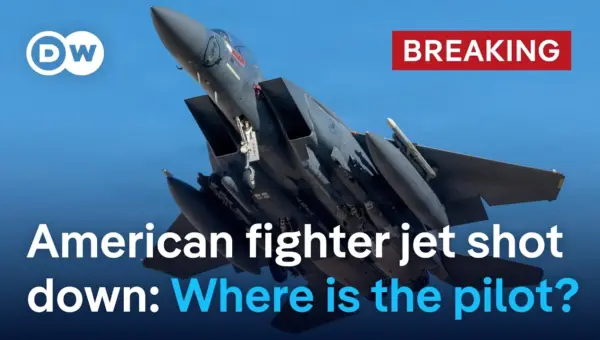
An American F-15 fighter jet has been shot down over Iran, with U.S. officials confirming the loss but offering few details on the crew's fate. The incident occurs amid widespread public opposition to the war and raises questions about Iran's air defense capabilities.
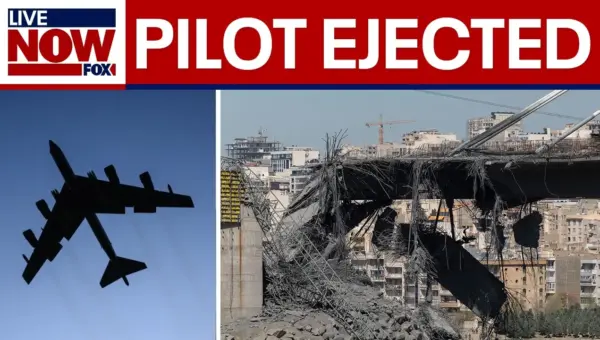
Iran Claims US Pilot Ejected; US Silent Amid Escalating Tensions
Iran claims a U.S. pilot ejected from a fighter jet over its territory, offering a reward for capture. The U.S. has not confirmed the report amid escalating regional tensions. Military experts discuss the strategic implications of U.S. strikes and the potential for internal change in Iran.
US Pilot Feared Lost in Iran; Search Underway
The U.S. military is conducting a search operation inside Iran for an American pilot whose fighter jet may have been downed. Details are limited, with uncertainty over whether the plane was shot down or suffered mechanical failure. The operation highlights the complexities of rescue missions in hostile territory and occurs amid heightened regional tensions.