US Forces Strike Iran, Bolster Strait of Hormuz
U.S. Special Operations forces and A-10 Thunderbolt II aircraft are conducting 'Operation Epic Fury' with strikes over Iran and the Strait of Hormuz. The operation highlights the strategic importance of the waterway for global oil trade.

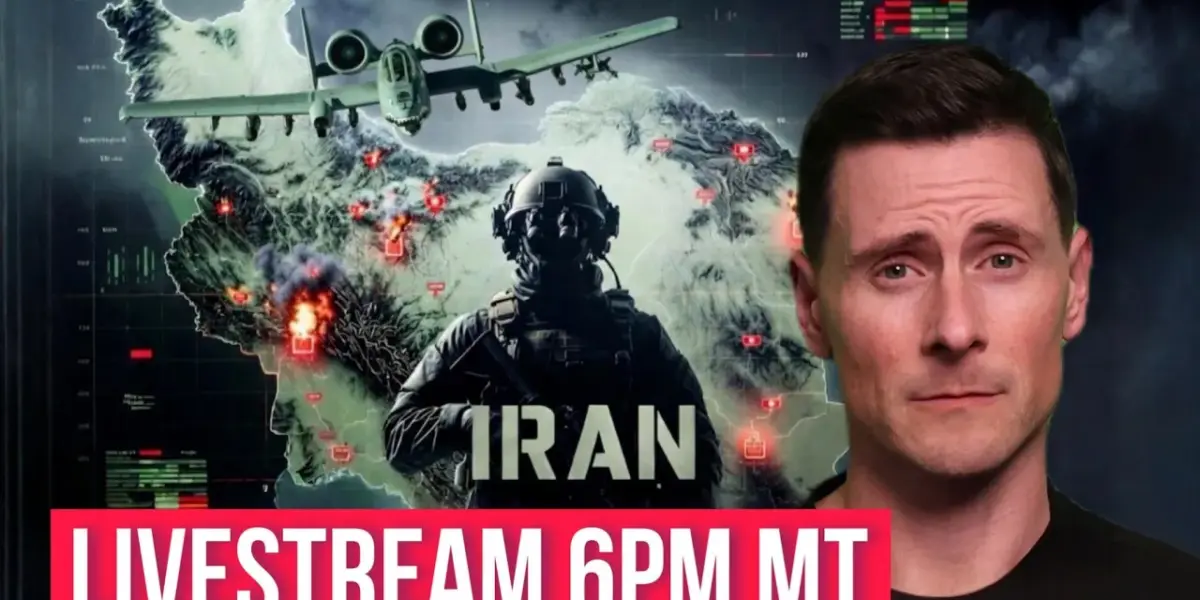
US Forces Strike Iran, Bolster Strait of Hormuz
U.S. Special Operations forces, backed by powerful A-10 Thunderbolt II “Warthog” aircraft, are actively engaged in high-stakes missions targeting Iran and securing vital shipping lanes in the Strait of Hormuz. These operations, known as “Operation Epic Fury,” mark a significant escalation in regional tensions and a demonstration of American airpower dominance.
The presence of U.S. Special Operations teams suggests surgical strikes aimed at specific targets. These units are trained for deep penetration missions, often operating behind enemy lines. Their involvement indicates a focus on precise objectives rather than widespread conflict. The A-10 Warthogs provide close air support and attack capabilities. These rugged aircraft are known for their ability to withstand enemy fire and deliver devastating firepower, making them ideal for supporting ground operations in contested airspace.
Strategic Importance of the Strait of Hormuz
The Strait of Hormuz is a critical chokepoint for global oil transport. Roughly 30% of the world’s seaborne oil trade passes through this narrow waterway every day. Control or disruption of the Strait can have immediate and severe impacts on global energy markets and international trade. U.S. military positioning in and around the Strait aims to ensure freedom of navigation and deter any attempts to block this vital passage.
Operation Epic Fury: A New Phase
Operation Epic Fury appears to be a new phase in U.S. military engagement in the region. The name itself suggests a bold and decisive mission. The combination of special operations forces and heavy air support indicates a strategy designed for both precision and overwhelming force when necessary. This approach allows for tailored responses to specific threats while maintaining a strong deterrent presence.
Airpower Dominance
The deployment of A-10 Thunderbolt II aircraft highlights a focus on air superiority and the ability to project power effectively. These aircraft are specifically designed for ground attack missions. Their presence reassures allies and signals a readiness to respond to threats with significant firepower. This airpower is crucial for protecting naval assets and ensuring the safe passage of commercial and military vessels through the Strait.
Broader Geopolitical Context
These actions occur against a backdrop of ongoing regional instability. Tensions between Iran and several Western nations, including the United States, have been high for years. Iran’s nuclear program and its support for various regional militias are major concerns. The U.S. military presence and operations like Epic Fury are part of a broader strategy to counter these threats and maintain regional stability. The goal is to prevent escalation while safeguarding international interests.
What This Means on the Ground
For those in the region, the increased military activity signals a heightened state of alert. Special Operations forces operating on the ground, supported by powerful aircraft overhead, suggest that specific threats are being actively addressed. The focus on the Strait of Hormuz means that maritime traffic will be under close observation. Any disruption could lead to swift military responses. This situation requires careful navigation by all parties involved to avoid miscalculation and unintended conflict.
Historical Parallels
The strategic importance of chokepoints like the Strait of Hormuz has been recognized throughout history. Control over narrow waterways has often been a key factor in naval warfare and global trade. For example, the Battle of Tsushima in 1905, where Japan decisively defeated Russia, turned on controlling access to the Sea of Japan. Similarly, naval battles in the Mediterranean have often centered on control of passages like the Strait of Gibraltar. The current operations echo this historical reality, where controlling strategic maritime passages is paramount to national and global security.
The use of specialized forces and advanced airpower is also a modern evolution of military strategy. While ancient armies relied on massed infantry and cavalry, modern conflicts increasingly depend on highly trained special units and technological superiority. The A-10’s role in providing close air support is a direct descendant of historical battlefield artillery and air support roles, adapted for the complexities of modern warfare.
Source: U.S. Special Ops Raids In Iran Is Worse Than You Think LIVESTREAM | 6pm MT Apr 2nd (YouTube)

Related Articles
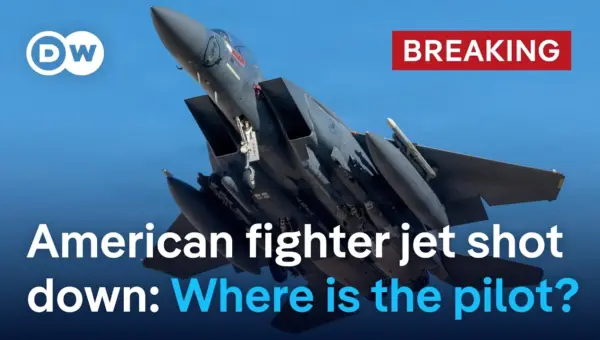
US Jet Downed in Iran: Crew Fate Unknown, War Unpopular
An American F-15 fighter jet has been shot down over Iran, with U.S. officials confirming the loss but offering few details on the crew's fate. The incident occurs amid widespread public opposition to the war and raises questions about Iran's air defense capabilities.
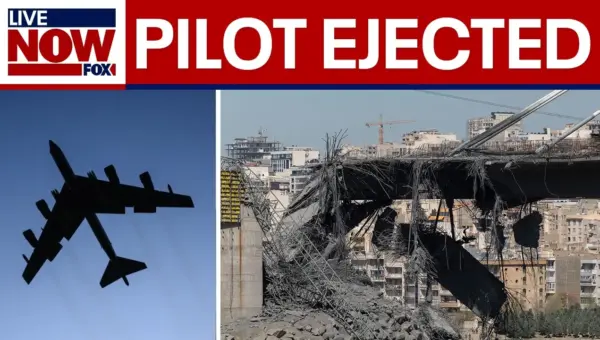
Iran Claims US Pilot Ejected; US Silent Amid Escalating Tensions
Iran claims a U.S. pilot ejected from a fighter jet over its territory, offering a reward for capture. The U.S. has not confirmed the report amid escalating regional tensions. Military experts discuss the strategic implications of U.S. strikes and the potential for internal change in Iran.
US Pilot Feared Lost in Iran; Search Underway
The U.S. military is conducting a search operation inside Iran for an American pilot whose fighter jet may have been downed. Details are limited, with uncertainty over whether the plane was shot down or suffered mechanical failure. The operation highlights the complexities of rescue missions in hostile territory and occurs amid heightened regional tensions.