VP Vance Engages Iran Amidst Escalating Conflict
Vice President J.D. Vance has reportedly engaged with intermediaries representing Iran as the conflict, dubbed 'Operation Epic Fury,' continues. The U.S. and Israel have intensified strikes, while the White House clarifies its goals, focusing on security rather than regime change. Rising gas prices add domestic political pressure as diplomatic channels remain open but fraught with tension.

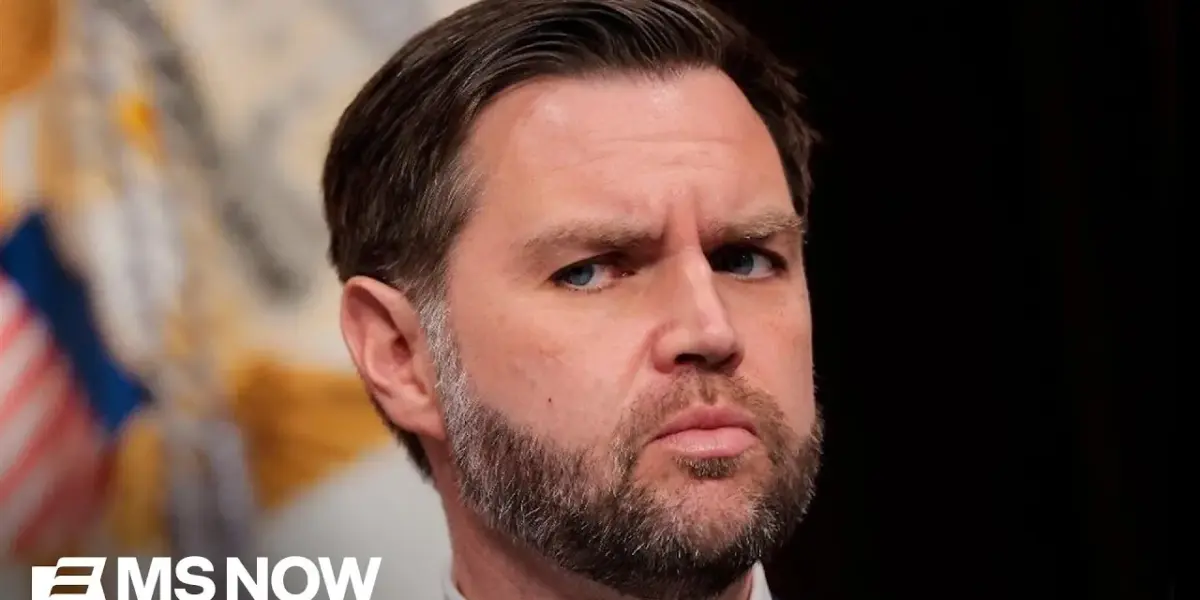
White House Addresses War with Iran
In a significant development, Vice President J.D. Vance has reportedly engaged with intermediaries representing Iran as the conflict in the Middle East continues into its second month. This move comes as the White House seeks to manage the ongoing “Operation Epic Fury,” a campaign that has seen escalating attacks from both the U.S. and Israel against Iranian targets.
Escalating Strikes and Shifting Goals
Recent days have witnessed intensified strikes, including an attack on a medical research center in Tehran and a bridge near the capital, alongside repeated strikes on steel plants. These actions follow President Trump’s recent address to the nation, where he reiterated the U.S. commitment to achieving its objectives. The President stated, “We will continue until our objectives are fully achieved.” However, the speech left many questions unanswered, particularly regarding the potential for U.S. ground troops and the precise definition of eliminating Iran as a nuclear threat.
While the President expressed belief that the conflict is winding down, a clear timeline remains elusive. His administration’s goals appear to be shifting, with less emphasis on regime change and more focus on military and security objectives. As former spokesperson for the U.S. Mission to the U.N., Hagar Shamali, explained, the President’s focus is now on ensuring Iran cannot possess nuclear weapons or ballistic missiles that threaten the region. “His focus was much more on achieving military and security goals,” Shamali noted, adding that the President believes he is creating space for the Iranian people to instigate their own change.
Regional Response and UAE’s Stance
From the region, Inzamam Rashid reported that Iran has vowed to continue fighting until the “humiliation and surrender of its enemies,” warning against any U.S. ground invasion. Iran’s actions have extended to its Gulf neighbors, with debris from an Iranian drone hitting an industrial zone in Abu Dhabi. Speaking with a senior figure from the UAE Ministry of Defense, it was revealed that the UAE has endured over two and a half thousand missiles and drones from Iran since the conflict began. The UAE has maintained that its territory will not be used for attacks against Iran, a stance confirmed by Major General Abdul Nasser of the UAE Ministry. While the UAE’s current military posture is defensive, the possibility of military involvement alongside the U.S. and Israel has not been ruled out, pending future developments.
Economic Concerns and Domestic Politics
The conflict’s impact is also being felt domestically, particularly concerning rising gas prices. President Trump acknowledged the public’s concern over gasoline prices, which have surpassed $100 a barrel. He attributed the increase to “deranged terror attacks against commercial oil tankers,” using it as further proof that Iran cannot be trusted with nuclear weapons. However, White House reporter Akela Gardner highlighted the political risks associated with these rising costs, especially heading into the midterm elections. “Americans look at their pocketbooks when they’re going to the polls,” Gardner stated, emphasizing that sustained high prices could be politically damaging for President Trump. Republican strategists are reportedly giving the President some leeway, banking on the loyalty of his base and the potential for voters to have short memories.
Vice President Vance’s Diplomatic Role
Vice President J.D. Vance is reportedly taking a more active role in indirect negotiations with Iran. As recently as Tuesday, Vance was in contact with intermediaries, delivering a stern message that the President is open to a cease-fire, provided certain U.S. demands are met. However, the President has also warned that if a deal is not reached, strikes on Iran’s electrical power plants could be reimposed, potentially leading to a significant humanitarian crisis and widespread power outages for millions of Iranians.
Looking Ahead
The coming weeks will be critical in determining the trajectory of the conflict. Key developments to watch include the President’s upcoming meeting with the NATO Secretary General, potential shifts in the UAE’s military stance, and the ongoing diplomatic efforts involving Vice President Vance. The administration’s ability to manage both foreign policy objectives and domestic economic concerns will be closely scrutinized as the situation evolves.
Source: Source: VP Vance talking to intermediaries to Iran as war drags on (YouTube)

Related Articles
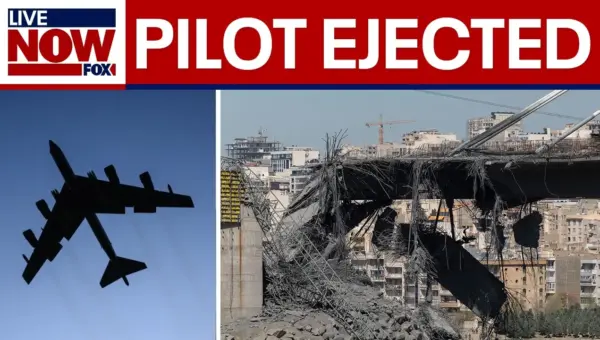
Iran Claims US Pilot Ejected; US Silent Amid Escalating Tensions
Iran claims a U.S. pilot ejected from a fighter jet over its territory, offering a reward for capture. The U.S. has not confirmed the report amid escalating regional tensions. Military experts discuss the strategic implications of U.S. strikes and the potential for internal change in Iran.

US Pilot Feared Lost in Iran; Search Underway
The U.S. military is conducting a search operation inside Iran for an American pilot whose fighter jet may have been downed. Details are limited, with uncertainty over whether the plane was shot down or suffered mechanical failure. The operation highlights the complexities of rescue missions in hostile territory and occurs amid heightened regional tensions.


US Policy Shift Stuns Allies, Weakens Global Security
US policy shifts regarding Ukraine, the Strait of Hormuz, and NATO are raising concerns among allies and creating global instability. Critics point to a lack of strategic planning and diplomatic consultation, potentially emboldening adversaries and undermining international security.