Ukraine Strikes Russian Oil, Recaptures Land in Quiet Gains
Ukraine is intensifying its campaign against Russian oil facilities, aiming to cut off Moscow's war funding with larger drone attacks. Concurrently, Ukrainian forces have quietly recaptured hundreds of square kilometers of territory, outperforming previous counteroffensive efforts.

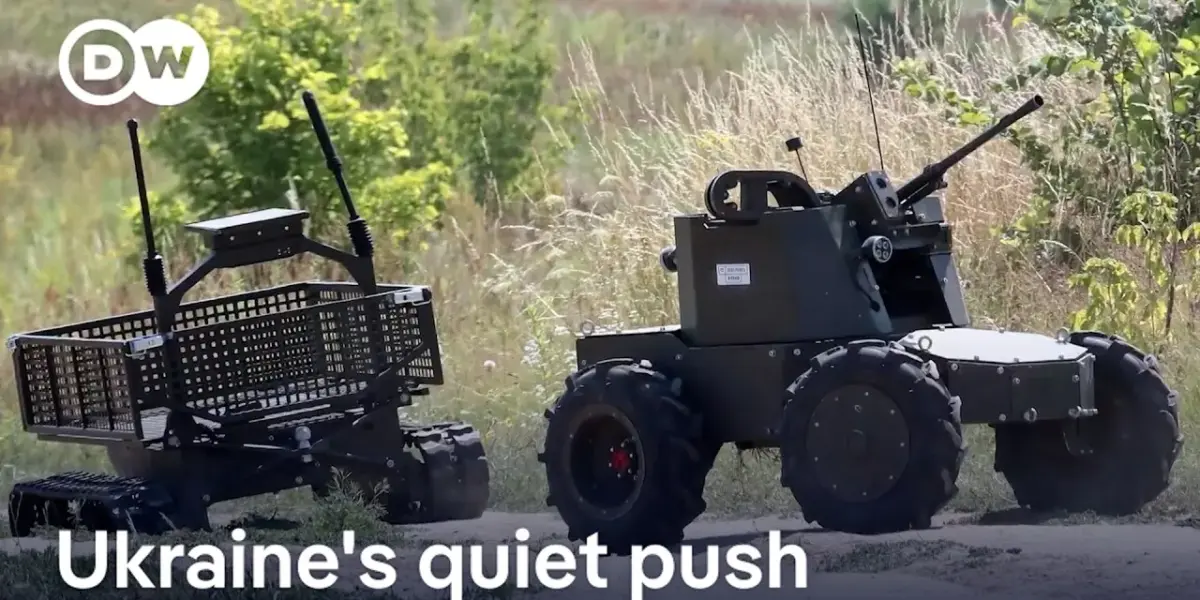
Ukraine Strikes Russian Oil Facilities, Recaptures Territory
While global attention has focused on other conflicts, Ukraine has been making significant strategic moves on multiple fronts. In a notable shift, Kyiv has launched a campaign targeting Russian oil infrastructure, aiming to disrupt Moscow’s war funding. Simultaneously, Ukrainian forces have quietly regained control of hundreds of square kilometers of territory, particularly in the Zaporizhzhia and Dnipro regions. These developments come as Russia’s own spring offensive struggles to gain significant ground, incurring heavy losses.
Targeting Russia’s War Chest
Ukraine has intensified its drone attacks on Russian oil refineries and storage depots. These strikes are not just about causing damage; they aim to prevent Russia from profiting from higher oil prices, especially in light of global events like the war in Iran. According to DW correspondent Nick Connelly, who has spent years covering the conflict, these attacks represent a “new quality of attack.” While drone strikes on Russian targets have occurred for years, the current wave features larger warheads, leading to a more substantial impact.
“The fact that large numbers of drones are now arriving and carrying more is actually a new development,” Connelly explained. He noted that these attacks have caused significant disruption, with oil ports on the Baltic Sea closing for days and talk of halting production due to difficulties in storing and exporting the oil. Military bloggers in Russia have expressed nervousness about these strikes, indicating their impact is felt even within Russia.
However, there is a concern within Ukraine that these successful strikes could be pressured to stop by Western allies. “There is just the worry in Ukraine right now that those attacks on the energy system of Russia… that they’re going to be blocked, vetoed by Donald Trump and other uh Western countries who are worried about the oil price going up,” Connelly stated. This potential pressure comes at a time when the attacks are beginning to have a systematic effect on Russia’s energy sector.
Quiet Advances on the Ground
Beyond the drone campaign, Ukraine has been making steady, albeit low-key, gains on the battlefield. “Hundreds of square kilometers of territory have been taken back. That is confirmed and potentially more that have yet to be announced,” Connelly reported. Villages in the Dnipro and Zaporizhzhia regions are now back under Ukrainian control. These gains are significant, with Connelly suggesting that Ukraine has recaptured more territory in recent months than during the much-publicized counteroffensive of 2023.
The reason for Ukraine’s reticence in publicizing these successes is a lesson learned from the previous year. “I think it’s about being burnt by that experience 2023 of overpromising and underdelivering,” Connelly said. He also pointed to the nature of modern drone warfare, where a “kill zone” or no-man’s-land of about 10 kilometers along the front lines makes it difficult to definitively confirm territorial control.
Russia’s Stalled Spring Offensive
In contrast to Ukraine’s strategic gains, Russia’s spring offensive, launched in mid-March, has been characterized by slow progress and heavy casualties. “I think they’re definitely not where they thought they would be,” Connelly observed. He recalled Russia’s claims of capturing Avdiivka in the Donetsk region, only for Ukrainian President Volodymyr Zelensky to later post selfies there, showing it was not fully under Russian control.
Last year, Russia managed to capture less than 1% of Ukraine’s territory despite extensive efforts. The current offensive appears to be following a similar pattern, with significant human cost. Connelly highlighted that Russian losses, which include both killed and wounded, are in the hundreds of thousands. “There is, you know, there there is talk of Russian losses being upwards of 300,000 dead and many, many more wounded,” he stated. Ukraine’s losses are estimated to be roughly half that number, partly because Ukrainian forces are fighting defensively and taking fewer risks.
The Starlink Factor and Emerging Technologies
Elon Musk’s Starlink satellite internet service has played a complex role in the conflict. While Musk reportedly cut unauthorized Russian access to Starlink in February, disrupting Russian communications and drone operations, this action has been seen as beneficial for Ukraine. “Certainly it was welcome,” Connelly noted.
Ukrainian drone pilots have been able to target Russia’s less sophisticated alternatives, forcing Russian forces to use more obvious antennas, which are then easily destroyed by Ukrainian drones. This has effectively cut off Russian units from external communication. While Russia is developing alternatives, the initial disruption caused significant chaos and miscommunication among Russian troops. Connelly, however, downplayed the role of “machine gun robots,” suggesting they are slow, easily spotted, and more effective in surprise attacks or for logistical support like resupply and medical evacuation.
A War of Attrition with No End in Sight
Looking ahead, the prospect of the war ending soon appears dim. Connelly believes that new technologies like cheap, unjammable drones may not necessarily bring about an end to the conflict but rather make it more sustainable for both sides by lowering the cost of warfare. “I think there is certainly the kind of broader picture is that this war is going to carry on as as long as both sides can carry on doing that,” he said.
Neither Ukraine nor Russia currently finds an acceptable peace offer on the table. Ukraine is unwilling to cede territory, while Russia maintains its demands from 2022. “Unless Ukraine runs out of money, unless Trump pulls the plug on all intel and the Europeans don’t compensate that or something happens unexpectedly in Russia,” Connelly concluded, “I don’t see any end to this in a hurry.” The war continues as a destructive conflict, now in its fourth year, with no clear resolution on the horizon.
Source: Ukraine's quiet push: The success Ukraine doesn’t want to talk about | DW News (YouTube)

Related Articles

Russia Claims Luhansk Control Amid Diplomatic Stalls
Russia rejected Ukraine's Easter ceasefire proposal, citing unclear terms and shifting blame to Kyiv. Meanwhile, Moscow's claims of full control over Luhansk are contradicted by Ukrainian forces and battlefield data. The conflict's economic impact is also growing, with Ukrainian drone strikes significantly reducing Russia's oil export capacity.


Political Firefight: CNN Debate Exposes Deep Divides
A fiery CNN debate exposed sharp divisions on claims of military victory and presidential power over justice. Commentators clashed over the reality of conflict success and whether presidents should direct investigations, revealing deep partisan divides.

Ukraine Strikes Russian Drone Base, Oil Exports Hit
Ukraine has successfully struck a key Russian drone training base in Crimea and significantly reduced Russia's oil export capacity. These actions coincide with ongoing diplomatic talks and highlight Ukraine's strategy of applying pressure deep within Russian territory.