Trump Urges NATO to Buy U.S. Oil, Boost Defense
Former President Donald Trump urged NATO allies to buy U.S. oil and increase defense spending, citing America's energy abundance and the need for greater collective security. The directive aims to reshape global energy markets and bolster the alliance's defense capabilities.

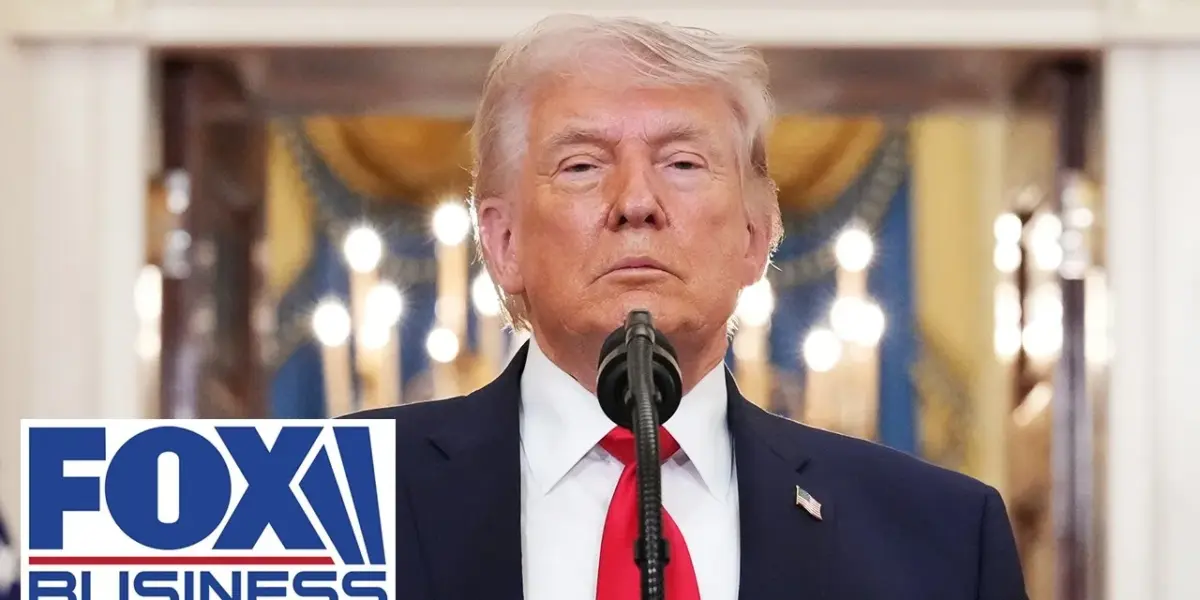
Trump’s Bold NATO Mandate: Secure U.S. Energy, Bolster Defense
Former President Donald Trump has issued a direct and forceful directive to NATO allies, urging them to purchase oil from the United States and to significantly increase their defense spending. This urgent call to action, delivered with characteristic bluntness, aims to reshape global energy markets and strengthen the transatlantic alliance’s security posture.
Energy Independence and Global Supply
Trump emphasized America’s abundant energy resources, stating, “We have plenty. We have so much.” He specifically called on NATO nations to “Buy oil from the United States of America.” This directive highlights the U.S. position as a leading global producer of oil and gas. Under his administration’s policies, the U.S. became the number one producer of oil and gas globally, surpassing combined output from Saudi Arabia and Russia. The transcript also mentioned millions of barrels sourced from Venezuela, further underscoring the scale of U.S. energy availability.
The “drill, baby, drill” program, as referenced, is credited with boosting U.S. domestic production. This abundance means the U.S. can serve as a reliable energy supplier for its allies. The implication is that NATO members should shift their energy dependence away from other global powers and towards the United States, potentially altering geopolitical energy dynamics.
A Call for ‘Delayed Courage’ in Defense
Beyond energy, Trump issued a stern warning regarding defense. He urged allies to “build up some delayed courage” and fulfill their commitments, stating, “You should have done it with us as we asked.” This refers to long-standing calls for NATO members to meet the alliance’s defense spending guideline of 2% of their gross domestic product (GDP). Many European nations have historically fallen short of this target, relying heavily on the U.S. for collective security.
The former president’s message suggests a need for greater self-reliance and shared responsibility within the alliance. By demanding increased defense investment from European allies, the goal is to create a more balanced and robust security framework where all members contribute more equitably to their own defense and the collective security of the alliance.
Securing Vital Shipping Lanes
Trump also addressed the critical issue of securing international shipping lanes, particularly in the Strait of Hormuz. He instructed allies to “Go to the Strait and just take it. Protect it. Use it for yourselves.” He noted that Iran has faced significant economic challenges, implying that the hard part of confronting potential threats in the region has already been addressed.
The Strait of Hormuz is a vital chokepoint for global oil transportation. Controlling or securing this waterway is crucial for uninterrupted energy flows. Trump’s directive suggests a proactive approach to ensure freedom of navigation and protect this critical artery, especially in light of regional tensions. He expressed confidence that the Strait would reopen after the conflict, partly due to U.S. energy policies.
Market Impact and Investor Considerations
Trump’s strong stance on energy and defense has several potential implications for markets and investors.
- Energy Sector: Increased demand for U.S. oil and gas from NATO allies could boost U.S. energy companies. This might lead to higher production levels and potentially influence global oil prices. Investors might watch for shifts in export volumes and the impact on companies focused on liquefied natural gas (LNG) and crude oil production.
- Defense Spending: A concerted effort by European nations to increase defense budgets could benefit aerospace and defense contractors. Companies specializing in military equipment, cybersecurity, and defense technology may see increased orders and revenue growth.
- Geopolitical Risk Premium: While Trump’s calls aim to stabilize energy flows and enhance security, any perceived instability in critical regions like the Strait of Hormuz can affect global markets. Investors often price in a geopolitical risk premium during times of tension, which can impact oil prices and broader market sentiment.
- Trade Relations: The directive to buy U.S. energy could reshape trade relationships, potentially leading to more favorable terms for American energy exports. This could have ripple effects across various sectors involved in international trade and logistics.
The long-term impact will depend on how NATO allies respond to these directives and the broader geopolitical landscape. However, the emphasis on energy security and collective defense signals a potential shift in global economic and security priorities.
Source: 'JUST TAKE IT': Trump’s blunt order to NATO sparks urgency (YouTube)

Related Articles

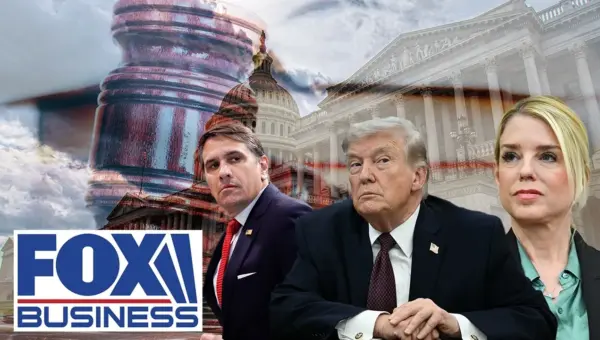
Trump Ousts AG Bondi, Eyes Zeldin as Successor
Pam Bondi is out as Attorney General after one year, with Deputy AG Todd Blanche serving as Acting AG. President Trump confirmed the departure, praising Bondi and hinting at a new private sector role. Lee Zeldin is reportedly being considered as Bondi's permanent replacement, amid ongoing speculation about other cabinet changes.
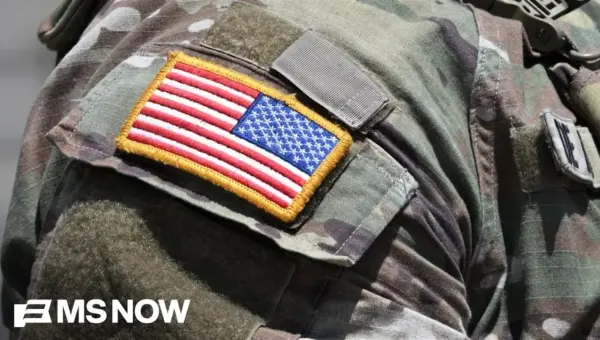
US Pilot Feared Lost in Iran; Search Underway
The U.S. military is conducting a search operation inside Iran for an American pilot whose fighter jet may have been downed. Details are limited, with uncertainty over whether the plane was shot down or suffered mechanical failure. The operation highlights the complexities of rescue missions in hostile territory and occurs amid heightened regional tensions.
US Policy Shift Stuns Allies, Weakens Global Security
US policy shifts regarding Ukraine, the Strait of Hormuz, and NATO are raising concerns among allies and creating global instability. Critics point to a lack of strategic planning and diplomatic consultation, potentially emboldening adversaries and undermining international security.