Trump’s Staff Blame Game: A Pattern of Passing the Buck
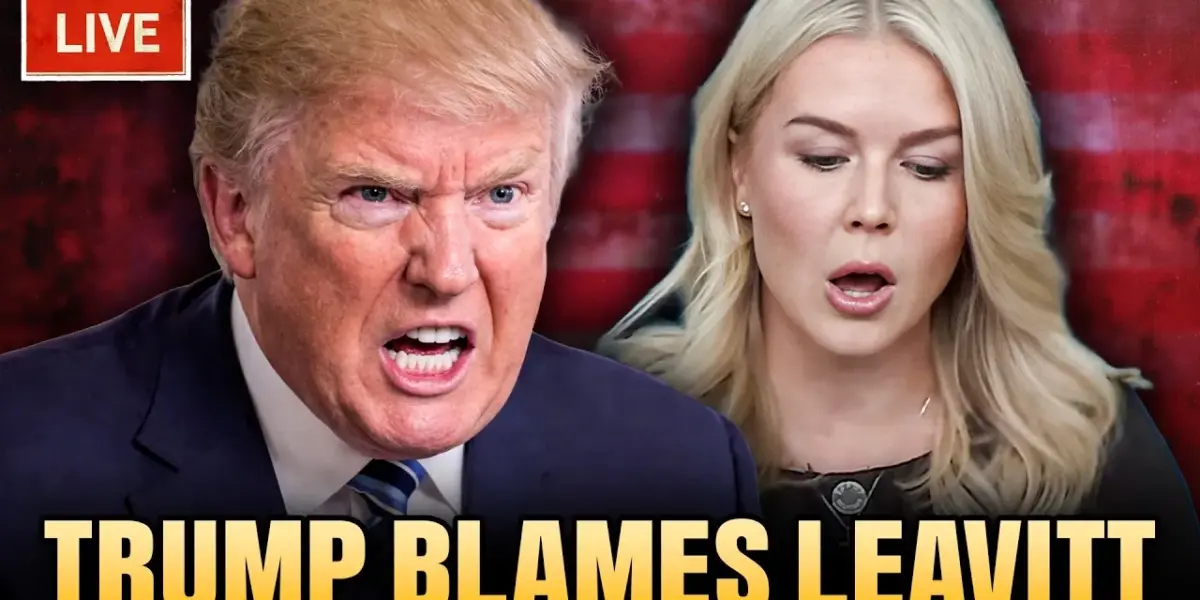
Donald Trump's recent remarks about his Press Secretary, Karoline Leavitt, highlight a long-standing pattern of deflecting blame. While Trump joked about Leavitt being 'terrible' and responsible for negative press, the analysis suggests his own actions are the root cause. This tendency to pass the buck has implications for leadership, public trust, and staff morale.

Trump’s Staff Blame Game: A Pattern of Passing the Buck
In a recent public appearance, former President Donald Trump seemed to point a finger at his own Press Secretary, Karoline Leavitt. While signing an executive order, Trump made comments that suggested Leavitt was responsible for the negative press he often faces. This incident highlights a recurring theme in Trump’s political career: deflecting blame onto his staff.
Trump’s remarks, described as a “joke” about Leavitt being “terrible,” were interpreted by some as a warning or a “shot across the bow.” However, the video’s analysis suggests that the real issue isn’t Leavitt’s performance. Instead, it argues that Trump’s actions and policies are inherently unpopular, leading to negative coverage regardless of who is handling his press relations.
The Bigger Picture: Trump’s History of Blame
This isn’t the first time Trump has publicly shifted blame. Throughout his presidency and business career, he has often found ways to distance himself from unfavorable outcomes. When projects faltered or controversies arose, it was rarely attributed to his own decisions. Instead, blame often fell on advisors, opponents, or even the media itself.
This pattern can be seen as a strategic move to protect his public image. By not taking responsibility, Trump can avoid appearing weak or making mistakes. This approach allows him to maintain a narrative of success and control, even when faced with criticism or setbacks. It’s like a chef blaming the ingredients when a dish doesn’t turn out well, rather than admitting they might have misread the recipe.
Karoline Leavitt: The Latest Target?
Karoline Leavitt, a relatively young and new press secretary, now finds herself in a position that has historically been challenging for many. The role of White House Press Secretary is demanding, requiring constant defense of the administration’s actions and responses to a barrage of questions. For Trump, this role often means being the public face for policies and statements that may be controversial.
If Leavitt is indeed being blamed for negative press, it raises questions about the support she receives from the top. Is she being set up to fail, or is this a genuine, albeit harsh, attempt to signal dissatisfaction? Regardless of the intent, being publicly singled out by the former president can create immense pressure and undermine confidence.
Why This Matters
The tendency to blame staff has significant implications for leadership and public trust. When leaders consistently avoid accountability, it can erode confidence in their judgment and integrity. It also creates a difficult environment for employees, who may feel insecure and fear making mistakes. Effective leadership often involves taking responsibility, learning from errors, and supporting the team, especially during tough times.
For the public, understanding this dynamic is crucial. It helps in evaluating the true reasons behind political outcomes and media narratives. Instead of focusing solely on the messenger, it encourages a deeper look at the actions and decisions of the leader. This critical thinking is essential for informed decision-making in any democratic society.
Implications and Future Outlook
This incident with Karoline Leavitt suggests that Donald Trump’s communication style and approach to accountability remain consistent. For anyone working closely with him, this means understanding that public criticism, even in jest, could be a real indicator of his displeasure. It also implies that the focus of negative press coverage will likely continue to be on Trump’s own actions and statements, rather than solely on his press team’s handling of them.
Looking ahead, this pattern of blame could affect how future political figures and staff interact with Trump. It might lead to increased caution, a greater emphasis on managing his public perception directly, or perhaps a willingness to seek more direct communication channels to avoid misunderstandings. The effectiveness of any press secretary working under such a leader will depend heavily on their ability to navigate these complex dynamics while staying true to the facts.
Historical Context
The practice of leaders deflecting blame is not new. Throughout history, political figures have often found ways to attribute failures to others. However, Trump’s approach has been particularly public and consistent. His use of social media and direct communication amplified this tendency, making it a notable characteristic of his political brand. Previous press secretaries under Trump, such as Sean Spicer and Sarah Huckabee Sanders, also faced intense scrutiny and public challenges.
This method of leadership, while potentially effective in shielding the leader from immediate criticism, can have long-term consequences. It can foster a culture of fear within an organization and may ultimately hinder genuine problem-solving. Understanding this historical context helps us see that while the specific individuals may change, the underlying behavior remains a significant aspect of Trump’s political persona.
Source: Trump Blames Karoline Leavitt For Everything (YouTube)

Related Articles

Trump’s Impossible Demands Reshape Justice Department
President Trump's demand for loyalty and action outside legal norms has reshaped the Justice Department. Recent departures, like Pam Bondi's, highlight the difficulty of fulfilling the President's "impossible tasks." The search for a new Attorney General continues amidst concerns about the DOJ's independence.

Trump’s Leadership: A Moral Vacuum for Young Learners?
Young people seek moral guidance from leaders, but what lessons does Donald Trump offer? Some argue his approach teaches negative behaviors like bullying and isolation, contrasting with traits like patience and gratitude seen in others. This raises questions about leadership character and its impact on societal values.

Trump’s Transparency: A Press Secretary’s Bold Claim
President Trump's press secretary, Sarah Huckabee Sanders, claims his public persona is identical to his private one. She states his directness eliminates guesswork, making her job easier by providing clear, unspun messages.