US Health Deals Face Scrutiny Over Data Privacy in Africa
New US health deals in Africa are facing intense scrutiny over data privacy and fairness. Zimbabwe has withdrawn from an agreement, while Kenya's deal is temporarily halted by a court. Nations are demanding equitable terms and protection of sensitive health data.

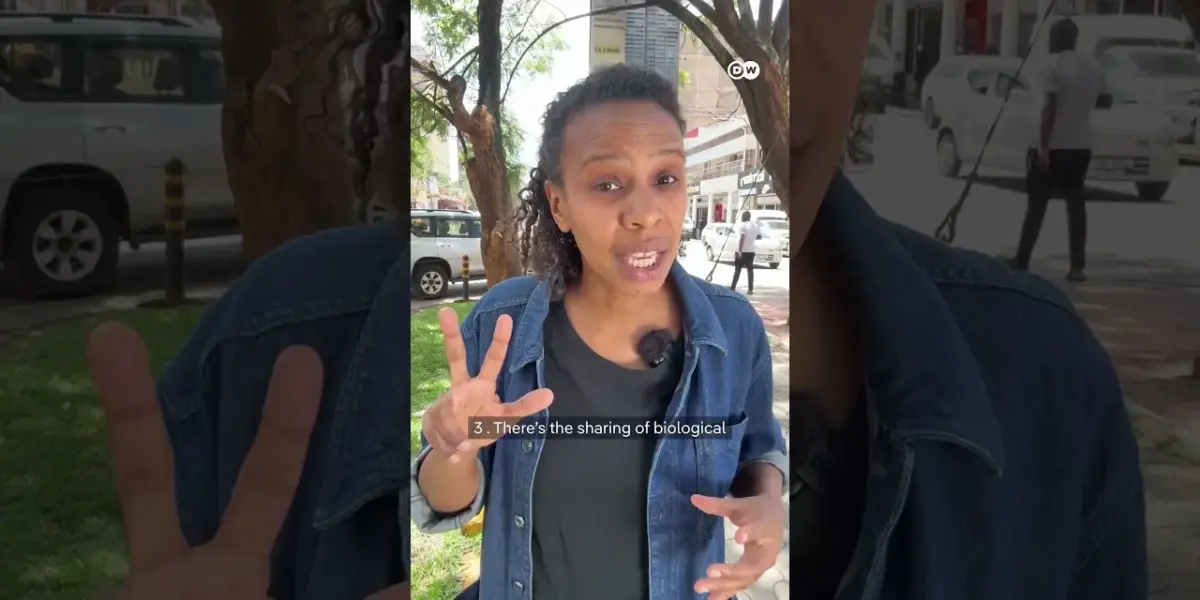
African Nations Question US Health Agreements Amid Data Concerns
Concerns over data privacy and fairness are casting a shadow over new health agreements between the United States and several African nations. Zimbabwe has already withdrawn from a deal, while Zambia faces pressure to sign, and Kenya’s agreement has been temporarily halted by a court. These developments raise questions about the terms and transparency of the bilateral health initiatives.
Background: A Shift in US Global Health Policy
The scrutiny follows significant changes in US global health policy initiated at the start of 2025. Under the Trump administration, the US announced its withdrawal from the World Health Organization (WHO) and the shutdown of its foreign aid organization, USAID. The stated aim was to eliminate waste, fraud, and abuse, while forging new economic opportunities. As a major global funder of health programs, these decisions sent shockwaves through international health systems. While essential funding for life-saving treatments, such as HIV drugs, was later restored, uncertainty about future support remains.
New Bilateral Deals Spark Controversy
In December 2025, the US began signing direct, country-to-country health deals, starting with Kenya and Rwanda. Currently, over 27 such agreements are in place with nations in Africa and Central America. However, shortly after the first deal was signed with Kenya, a Kenyan court intervened. The court placed a temporary halt on the agreement following objections over the sharing of Kenyan health data and the lack of consultation with parliament and civil society groups before signing.
Key Concerns: Fairness, Data Privacy, and Benefit Sharing
While bilateral health deals are not uncommon, several critical issues are being raised by observers and participating nations. Firstly, there are questions about the fairness of the agreements. African countries require healthcare funding, but critics worry the terms may not be equitable. Zimbabwe’s decision to pull out highlights this concern, as the nation feared not benefiting from potential innovations or new drugs resulting from shared biological specimens. This echoes a push by African nations within the WHO pandemic agreement for shared benefits, a move complicated by the US’s departure from the organization.
“We want a win-win for both countries. So they are right to negotiate the way they are negotiating because it’s in their best interest. They are putting America first, but we’re also right in the way we’re negotiating because we are putting Zimbabweans first.”
Zimbabwe Government Spokesperson
This sentiment, expressed by Zimbabwe’s government spokesperson, underscores a desire for mutual benefit and national interest to be prioritized. The deals are seen by some as transactional, potentially involving exchanges beyond health funding, such as access to minerals in return for health aid.
Data and Diplomacy at Stake
Secondly, the issue of data privacy is paramount. In Kenya, concerns have been raised about the sharing of sensitive health data with the US. Beyond data, the agreements might also involve Kenya’s diplomatic and security positioning within the region. The specifics of these deals vary significantly from country to country. In Nigeria, requests for information about the health agreement were denied, highlighting a lack of transparency in some cases. In contrast, Kenyan civil society groups successfully pressured the government to make its deal public, leading to the ongoing court review.
Looking Ahead: Negotiations and Legal Battles
As negotiations continue, time is running out for countries like Zambia, which is reportedly facing pressure to sign its deal. The legal challenge in Kenya is expected to proceed, with the courts set to determine the legality of the bilateral health agreement. The outcomes of these negotiations and legal reviews will be crucial in shaping the future of US health partnerships in Africa and could set precedents for transparency, data protection, and equitable benefit-sharing in global health collaborations.
Source: US health deals spark data privacy fears in Africa | DW News (YouTube)

Related Articles

China, Russia Use Your Phone Data as a Weapon
Cybersecurity expert Rex Lee warns that data from your smartphone, often used for targeted ads, can be weaponized by countries like China and Russia. This collected information allows for real-time tracking, posing significant risks to personal privacy and national security.


Epstein Survivors Sue U.S. Government Over Data Release
Epstein survivors have filed a historic class-action lawsuit against the U.S. government and Google. They allege the Trump administration carelessly released Epstein files, exposing victims' private information. The suit claims Google profited from this data, leading to further retraumatization.
Oklahoma Yields Data to DOJ in Voter Registration Dispute
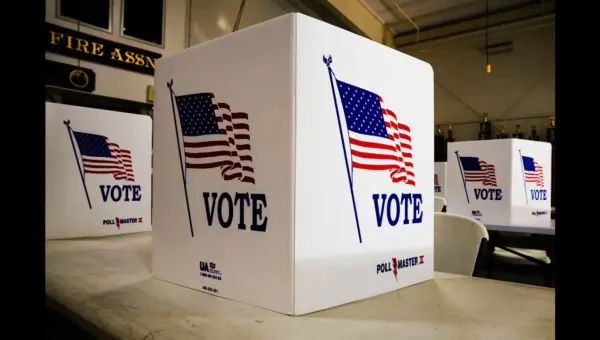
Oklahoma has settled a dispute with the Justice Department, agreeing to share sensitive voter registration data. The Justice Department had sued, claiming the state violated federal law by withholding the information needed for election oversight. This settlement raises ongoing questions about data privacy and federal-state authority in elections.